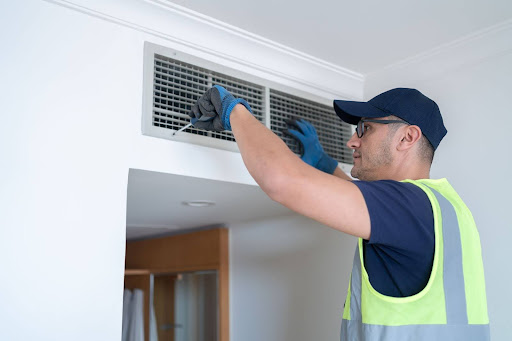
Indoor Air Quality Improvement in Miami Shores: Real-World Observations from Local Properties
Indoor air quality (IAQ) is a critical component of a healthy and comfortable home, yet many homeowners in Miami Shores underestimate its importance. Florida’s unique climate—characterized by high humidity, frequent rainstorms, and coastal salt air—creates conditions that can compromise air quality, leading to musty odors, mold growth, and reduced comfort. At Tip Top Water and Fire Damage Restoration, we have extensive hands-on experience helping homeowners, landlords, and property managers in Miami Shores improve indoor air quality while addressing moisture and environmental challenges.
Understanding Indoor Air Quality
Indoor air quality refers to the cleanliness, freshness, and safety of the air within a home. It is influenced by multiple factors, including:
- Humidity levels – Excess moisture encourages mold, mildew, and dust mites.
- Airflow and ventilation – Poor airflow leads to stale air and the buildup of indoor pollutants.
- HVAC system health – Dirty or poorly maintained ductwork can distribute contaminants throughout the home.
- Building materials and furnishings – Carpets, upholstery, and drywall can absorb moisture and odors, affecting air quality.
Improving IAQ requires a combination of moisture control, HVAC maintenance, and proactive cleaning practices.
Why Indoor Air Quality Challenges Are Common in Miami Shores
Miami Shores homes face several environmental and structural challenges that impact IAQ:
- High Humidity – Persistent humidity above 70% increases the risk of mold and mildew.
- Stormwater Intrusion – Seasonal tropical storms often lead to leaks in roofs, windows, and plumbing, introducing moisture.
- Salt-Laden Air – Coastal air accelerates corrosion in AC units, ducts, and other HVAC components, affecting airflow and efficiency.
- Older Homes and Condos – Many properties have aging HVAC systems, outdated insulation, and limited ventilation, which exacerbate air quality issues.
- Slab Foundations and Crawl Spaces – Poorly ventilated spaces trap moisture, which can migrate into living areas.
These conditions create the perfect environment for IAQ problems to develop if not properly managed.
Common Signs of Poor Indoor Air Quality
Homeowners in Miami Shores often notice several warning signs that indicate compromised IAQ:
- Musty or stale odors throughout the home
- Visible mold or mildew on walls, ceilings, or duct vents
- Increased dust accumulation or dirt in air vents
- Stale or uneven airflow from the HVAC system
- Respiratory irritation, coughing, or allergy-like symptoms indoors
Early recognition of these indicators allows for faster intervention and prevents more serious property or health issues.
Hidden or Overlooked Sources of Poor Air Quality
Many sources of poor indoor air quality are hidden from plain sight:
- Ductwork – Dust, soot, and microbial residues can accumulate and circulate through HVAC systems.
- Attics and Crawl Spaces – Poorly ventilated areas trap moisture and mold spores, which can migrate into living spaces.
- AC Coils and Drip Pans – Condensate buildup and microbial growth on coils or pans can affect airflow and air quality.
- Carpets and Upholstery – Porous surfaces absorb dust, allergens, and moisture, impacting the air over time.
- Wall Cavities – Water leaks or high humidity can foster hidden mold growth behind drywall or paneling.
Professional inspection and treatment are often necessary to fully address these hidden issues.
Why DIY Efforts Often Fail
While homeowners may attempt simple IAQ improvements such as surface cleaning or air fresheners, these efforts rarely solve the underlying problems:
- Partial Cleaning – Superficial cleaning does not remove dust and mold spores deep within ductwork, insulation, or wall cavities.
- Moisture Ignorance – Without moisture meters or thermal imaging, hidden water and humidity sources are easily overlooked.
- Missed Mold Growth – Mold can develop in inaccessible areas, spreading spores if not properly treated.
- Ineffective Filtration – Standard filters in older HVAC systems may not capture fine particles, allergens, or microbial contaminants.
In humid, coastal climates like Miami Shores, professional expertise ensures a thorough and lasting solution.
Professional Indoor Air Quality Inspection & Testing
At Tip Top Water and Fire Damage Restoration, our IAQ assessment process includes:
- Moisture Detection – Using meters and thermal imaging to locate hidden damp areas.
- Air Sampling – Measuring levels of mold spores, allergens, and other airborne contaminants.
- HVAC System Evaluation – Inspecting ducts, coils, and ventilation for moisture or microbial buildup.
- Surface Testing – Checking walls, carpets, and furniture for mold, dust, or microbial residues.
- Humidity Monitoring – Assessing indoor moisture to guide dehumidification and airflow strategies.
This comprehensive approach ensures all potential IAQ issues are identified before implementing remediation or improvement measures.
Steps for Effective Indoor Air Quality Improvement
A professional IAQ improvement plan typically involves several key steps:
- HVAC and Duct Cleaning – Removing dust, microbial residues, and debris from the air distribution system.
- Moisture Control – Addressing leaks, AC condensation, and high humidity using targeted drying and dehumidification.
- Air Filtration Upgrades – Installing high-efficiency filters or air purifiers to capture fine particles and allergens.
- Odor Treatment – Using hydroxyl or ozone generators to neutralize musty or stale odors.
- Surface Cleaning and Maintenance – Thorough cleaning of carpets, walls, and furnishings to remove dust and microbial residues.
By addressing both the air and the surfaces it contacts, homeowners achieve a healthier, cleaner environment.
Real-World Observations from Miami Shores Properties
Our experience in Miami Shores has revealed recurring patterns in homes needing IAQ improvements:
- Older Condos and Single-Family Homes – Aging HVAC systems distribute dust and microbial spores throughout the property.
- Attic and Crawl Space Moisture – Inadequate ventilation allows mold spores and moisture to migrate into living areas.
- AC Condensation Problems – Blocked drains or corroded drip pans frequently contribute to hidden dampness and musty odors.
- Storm Damage – Roof or window leaks from tropical storms often go unnoticed, leading to persistent dampness and microbial growth.
Each of these scenarios requires a customized inspection and targeted interventions to restore proper indoor air quality.
Preventing Future Indoor Air Quality Issues
Homeowners can take proactive steps to maintain good IAQ:
- Schedule regular HVAC and duct maintenance.
- Keep indoor humidity below 60% with air conditioning or dehumidifiers.
- Promptly repair leaks or water intrusion.
- Use high-efficiency filters in HVAC systems.
- Ensure attics and crawl spaces are well-ventilated and free of moisture.
Routine maintenance helps prevent long-term IAQ problems and protects both property and health.
Why Local Expertise Matters
Miami Shores’ coastal climate, high humidity, and salt-laden air present challenges that differ from inland areas:
- High humidity prolongs drying and encourages mold growth.
- Salt accelerates corrosion in HVAC components and ductwork.
- Older homes may have hidden vulnerabilities requiring targeted expertise.
Local professionals like Tip Top Water and Fire Damage Restoration understand these conditions, ensuring effective, long-lasting indoor air quality improvements.
Calm, Trust-Based Call to Action
Indoor air quality in Miami Shores is influenced by hidden moisture, HVAC conditions, and environmental factors unique to coastal Florida. Professional inspection, duct cleaning, moisture management, and filtration upgrades are essential to maintain a healthy, comfortable home. Local experts like Tip Top Water and Fire Damage Restoration provide the knowledge, experience, and tools necessary to assess, improve, and maintain indoor air quality in Miami Shores properties.