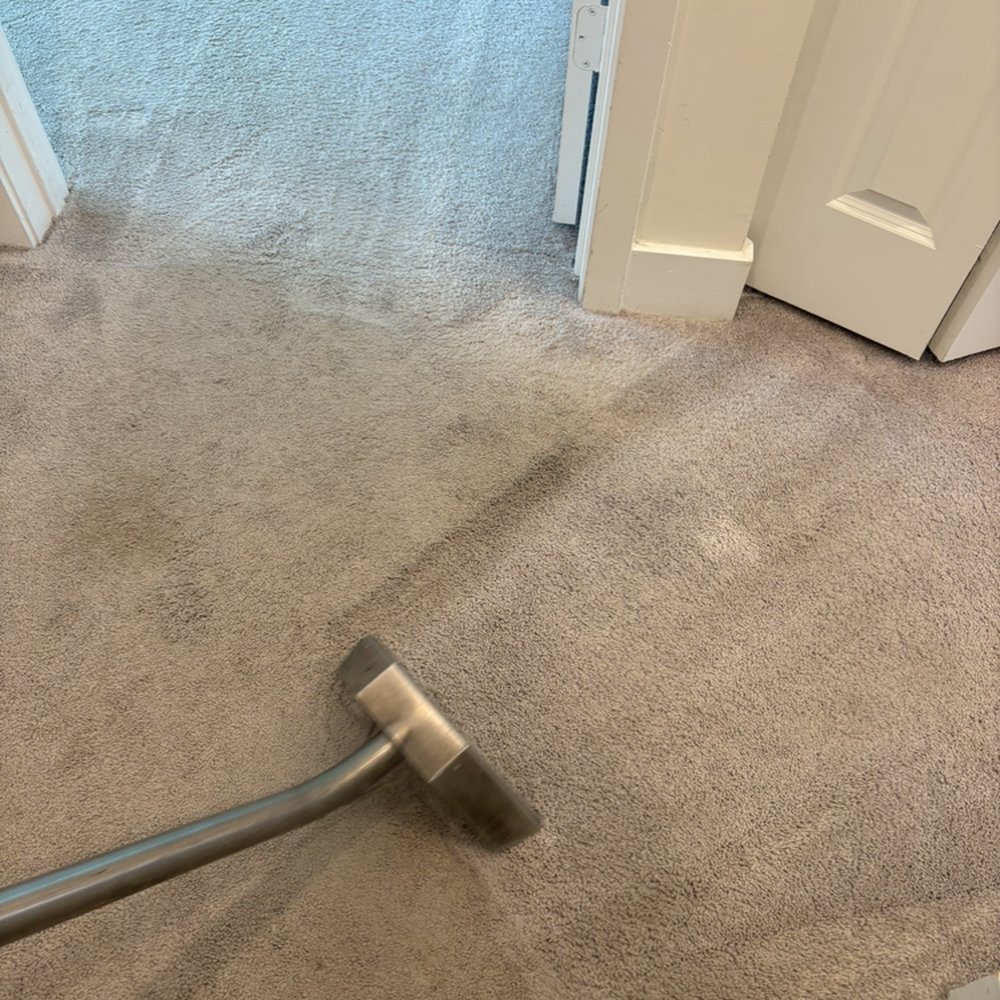
Property Maintenance Insights: Carpet Cleaning After Water Damage in Biscayne Park
Biscayne Park, with its tree-lined streets, historic homes, and proximity to waterways, offers residents a serene coastal lifestyle. However, this environment also makes homes more vulnerable to water damage, whether from heavy seasonal rains, plumbing leaks, or AC condensation. Water intrusion can affect all areas of a home, but carpets are especially susceptible. Left untreated, wet carpets can harbor mold, bacteria, and unpleasant odors, threatening both indoor air quality and structural integrity. At Tip Top Water and Fire Damage Restoration, we specialize in carpet cleaning and restoration after water damage in Biscayne Park, North Miami, North Miami Beach, Sunny Isles Beach, Bal Harbour, Aventura, Miami Shores, Surfside, and surrounding communities. Understanding the process, challenges, and best practices for post-water-damage carpet care is critical for property maintenance.
What Water Damage Does to Carpets
Water affects carpets in multiple ways depending on its source, duration, and the materials involved:
- Fiber Saturation – Synthetic and natural fibers absorb water, which can weaken fibers and cause warping or shrinkage.
- Padding and Subfloor Impact – Carpet padding and underlying subfloors absorb moisture, creating hidden reservoirs of dampness.
- Mold and Mildew Growth – Standing water and high humidity create ideal conditions for mold colonization in carpet fibers, padding, and subfloors.
- Odor Retention – Wet carpets can develop musty or sour odors if moisture is not promptly removed.
- Staining and Discoloration – Water can lift dyes from carpets, leaving permanent stains.
Immediate and professional intervention is crucial to prevent secondary damage and restore carpets effectively.
Why Biscayne Park Homes Are Especially Vulnerable
Several factors make carpets in Biscayne Park more prone to water damage:
- High Coastal Humidity – Persistent humidity accelerates the absorption and retention of water in carpets.
- Older Homes – Many homes feature original construction materials and older carpet types that are more absorbent.
- AC Condensation Issues – Drip pans, leaks, or poorly maintained AC systems frequently cause localized water accumulation.
- Stormwater Intrusion – Seasonal tropical storms and heavy rainfall can cause flooding in lower-level areas or slab foundations.
- Slab Foundations – Limited drainage in older homes allows water to pool under carpets and padding.
These factors highlight the importance of timely carpet cleaning and water mitigation in Biscayne Park homes.
Common Signs Homeowners Should Watch For
Homeowners may notice several indicators that carpets require professional cleaning after water damage:
- Damp or wet areas on carpets or padding
- Musty or moldy odors
- Discoloration, stains, or water rings
- Warped flooring or soft spots under carpets
- Visible mold growth along carpet edges or corners
Even if the moisture appears minor, underlying water in padding or subfloors may pose long-term risks.
Hidden or Overlooked Sources of Moisture in Carpets
Professional inspectors often discover moisture in areas that are not immediately visible:
- Under Carpet Padding – Padding can absorb water quickly and retain it long after the surface appears dry.
- Edges and Baseboards – Water can wick along walls, soaking carpet edges and corners.
- Under Doors and Thresholds – Minor leaks or seepage from bathrooms, kitchens, or exterior doors can saturate carpeted areas.
- Adjacent to HVAC Systems – Condensation from AC units or duct leaks often affects nearby carpeting.
- Crawl Spaces or Slab Intrusion – Moisture may seep upward into carpets from below, particularly in older homes.
Detecting these hidden moisture pockets is critical to prevent mold and long-term damage.
Why DIY Carpet Drying Often Fails
Many homeowners attempt to dry carpets using fans, sunlight, or household vacuums. While these methods may reduce surface dampness, they rarely address underlying issues:
- Incomplete Drying – Padding and subfloors may remain wet, creating mold risk.
- Mold Growth – Even minor residual moisture can encourage rapid microbial growth.
- Odor Retention – Improper drying leaves lingering musty or sour odors.
- Fiber Damage – Overly aggressive DIY methods may damage delicate fibers.
Professional carpet cleaning ensures deep drying, microbial control, and fiber preservation.
Tools and Techniques Used in Professional Carpet Cleaning
Tip Top Water and Fire Damage Restoration uses specialized equipment and techniques for carpets affected by water damage:
- Industrial Extractors – Remove water from carpets and padding efficiently.
- High-Velocity Air Movers – Circulate air to speed up drying in carpets and subfloors.
- Dehumidifiers – Reduce ambient humidity and prevent mold growth.
- EPA-Approved Cleaning Solutions – Treat carpets for bacteria, mold, and odor neutralization.
- Moisture Meters and Thermal Imaging – Identify hidden wet areas under padding, baseboards, and flooring.
- Hot Water Extraction – Deep cleans fibers to remove dirt, debris, and microbial residues.
These tools ensure carpets are not only dry but also safe and hygienic.
Step-by-Step Carpet Cleaning After Water Damage
A professional carpet cleaning process after water damage typically follows these steps:
- Assessment – Identify the extent of water damage, carpet type, and affected areas.
- Water Extraction – Remove standing water and reduce saturation levels in carpet fibers.
- Cleaning – Use specialized detergents and extraction methods to remove dirt, debris, and microbial contaminants.
- Deep Drying – Employ air movers, dehumidifiers, and thermal techniques to eliminate residual moisture.
- Sanitization and Odor Removal – Treat carpets with antimicrobial solutions and odor-neutralizing agents.
- Post-Inspection – Verify moisture levels and overall cleanliness to prevent mold growth or odor recurrence.
This structured approach ensures that carpets are restored effectively, minimizing long-term damage and health risks.
Real-World Observations from Biscayne Park Properties
From our experience in Biscayne Park, several patterns emerge in carpet-related water damage:
- Localized AC Leaks – Many homes experience water accumulation near HVAC systems, leading to hidden moisture in carpet fibers.
- Storm-Related Intrusion – Flooding and heavy rains often affect ground-level carpets in older homes.
- Padding Damage – Even when carpets appear dry, underlying padding frequently requires replacement to prevent mold.
- High Humidity Challenges – Extended periods of humid weather slow drying and increase microbial growth risks.
Understanding these patterns allows homeowners and inspectors to focus on areas most at risk and implement preventive strategies.
Preventing Future Water Damage in Carpets
Property owners can take proactive measures to reduce the likelihood of future water damage:
- Maintain AC systems, drip pans, and condensate lines
- Inspect plumbing regularly for leaks or corrosion
- Elevate carpeting in flood-prone areas or consider water-resistant flooring alternatives
- Use dehumidifiers during humid periods to control moisture levels
- Conduct routine inspections after storms or heavy rainfall
Preventive maintenance helps maintain indoor air quality, extend carpet life, and reduce the need for extensive remediation.
Why Local Expertise Matters
Biscayne Park’s coastal environment presents specific challenges for carpets:
- High humidity increases water absorption and microbial growth
- Older homes have construction materials that trap moisture
- Storms and heavy rainfall create unpredictable water intrusion
- AC systems are prone to leaks and condensation-related issues
Local professionals like Tip Top Water and Fire Damage Restoration understand these environmental and structural factors and provide tailored carpet cleaning and water damage remediation solutions.
Calm, Trust-Based Call to Action
Carpet cleaning after water damage is essential for maintaining healthy, safe, and functional homes in Biscayne Park. Professional inspections identify hidden moisture, treat microbial growth, and restore carpets to optimal condition. Timely and thorough cleaning protects indoor air quality, prevents mold, and preserves both flooring and subfloor integrity. Tip Top Water and Fire Damage Restoration brings the tools, expertise, and local knowledge necessary to ensure carpets affected by water damage are professionally restored for long-term property maintenance.