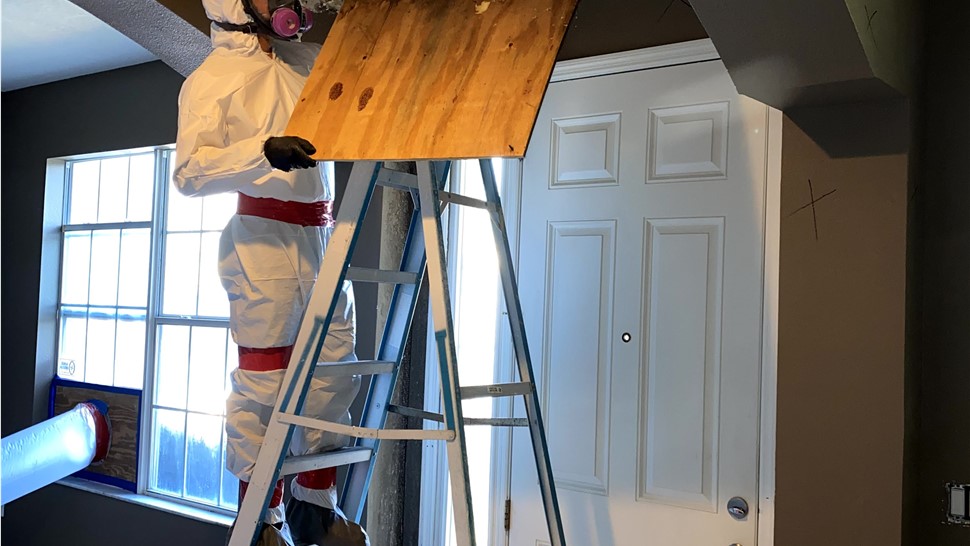
Property Maintenance Insights: Flood Restoration in Bal Harbour
Bal Harbour is a prestigious coastal community in South Florida, known for its luxury homes, waterfront properties, and proximity to Biscayne Bay. While living near the water offers breathtaking views and easy access to beaches, it also exposes homes to unique property maintenance challenges, particularly flooding. Seasonal storms, hurricanes, high tides, and heavy rainfall can introduce water into homes, causing immediate and long-term damage. Flood restoration is essential to protect both the structure and indoor air quality of Bal Harbour properties. At Tip Top Water and Fire Damage Restoration, we provide expert flood restoration and water damage repair services in Bal Harbour, North Miami, North Miami Beach, Sunny Isles Beach, Aventura, Miami Shores, Surfside, Biscayne Park, and nearby coastal communities. Understanding the process, risks, and best practices for flood restoration is critical for homeowners and property managers.
What Flood Restoration Involves
Flood restoration is the comprehensive process of removing water, drying affected areas, mitigating mold and microbial growth, and repairing damaged structural components. Unlike routine water damage cleanup, flood restoration often involves higher water volumes and more complex contamination, including:
- Stormwater intrusion carrying debris and contaminants
- Overflow from coastal flooding or tidal surges
- Water seepage from slab foundations or crawl spaces
- Damage to flooring, drywall, and furniture
Prompt, professional intervention is essential to prevent long-term issues, including mold growth, structural weakening, and poor indoor air quality.
Why Bal Harbour Homes Are Especially Vulnerable
Several factors make Bal Harbour properties more susceptible to flooding and water damage:
- Coastal Proximity – Homes near Biscayne Bay are exposed to storm surges, high tides, and saltwater intrusion.
- High Rainfall and Storm Frequency – Seasonal storms bring heavy rain that can overwhelm drainage systems.
- Older Construction and Slab Foundations – Many homes have aging plumbing, limited drainage, or foundation vulnerabilities.
- High Humidity – Persistent moisture in the environment slows drying and encourages mold growth.
- AC Condensation – Central AC systems can contribute to localized water accumulation during storms or equipment malfunctions.
These factors mean that flood restoration must address both immediate water removal and ongoing moisture management.
Common Signs Homeowners Notice After Flooding
Even minor flooding can cause noticeable damage, while more severe events often affect multiple areas of a home. Key indicators include:
- Standing or pooled water inside the home
- Water stains on walls, ceilings, or flooring
- Warped or buckled hardwood floors
- Musty odors or visible mold growth
- Corrosion or damage to electrical systems
- Saturated carpets, furniture, and personal belongings
Early recognition of these signs allows homeowners to act promptly, reducing long-term damage.
Hidden or Overlooked Sources of Flood Damage
Flood water often penetrates areas that are not immediately visible. Experienced inspectors focus on these high-risk zones:
- Crawl Spaces and Slab Foundations – Water can infiltrate below flooring, creating hidden moisture pockets.
- Wall Cavities – Moisture can travel behind drywall, soaking insulation and structural components.
- Attics – Leaks from roof damage or gutters can affect upper levels during heavy rains.
- HVAC Systems – Water can enter ductwork, drip pans, and coils, spreading contamination and odors.
- Under Carpets and Rugs – Water absorbs quickly into padding and fibers, leading to microbial growth.
Detecting these hidden areas is essential to prevent mold growth, structural deterioration, and persistent odors.
Why DIY Flood Restoration Often Falls Short
While homeowners may attempt water removal using mops, fans, or household wet/dry vacuums, these approaches are rarely sufficient:
- Incomplete Water Extraction – Surface drying may leave saturated subfloors and hidden pockets of water.
- Mold Risk – Residual moisture encourages rapid microbial growth in carpets, walls, and insulation.
- Structural Damage – Water-soaked wood and drywall can weaken over time if not properly dried and treated.
- Health Hazards – Contaminated water from storm flooding may carry bacteria, chemicals, or sewage.
Professional flood restoration ensures that all affected areas are thoroughly dried, sanitized, and restored.
Tools and Techniques in Professional Flood Restoration
Tip Top Water and Fire Damage Restoration uses advanced equipment and methods for efficient and safe flood restoration:
- Industrial Water Extractors – Rapidly remove standing water from carpets, floors, and furniture.
- High-Velocity Air Movers and Dehumidifiers – Promote deep drying of structural components and hidden cavities.
- Thermal Imaging Cameras and Moisture Meters – Identify water trapped behind walls or under floors.
- Sanitization and Odor Control – Use EPA-approved antimicrobial treatments to neutralize bacteria, mold spores, and odors.
- Structural Drying – Targeted drying of walls, subfloors, and framing to prevent long-term damage.
- Post-Restoration Verification – Confirm moisture levels have returned to safe ranges and that the property is structurally sound.
Combining these tools ensures comprehensive flood restoration with lasting results.
Step-by-Step Flood Restoration Process
Professional flood restoration follows a systematic approach:
- Initial Inspection – Evaluate the extent of water damage, structural concerns, and contamination levels.
- Water Removal – Extract standing water using industrial equipment to reduce saturation.
- Drying and Dehumidification – Apply air movers, dehumidifiers, and targeted drying techniques to eliminate residual moisture.
- Sanitization – Treat affected areas to neutralize bacteria, mold, and odors.
- Damage Repair – Replace or repair damaged flooring, drywall, insulation, and structural components.
- Final Inspection – Ensure all areas are dry, safe, and restored to pre-flood conditions.
This process mitigates long-term risks and preserves property value.
Real-World Observations from Bal Harbour Properties
Through experience in Bal Harbour, several patterns emerge in flood restoration:
- Stormwater Intrusion is Frequent – High tides and seasonal storms often affect ground-level and slab foundation areas.
- HVAC Systems Amplify Damage – Ductwork and drip pans frequently spread water and microbial contamination.
- Older Homes Require Extra Attention – Aging construction materials absorb water more readily, necessitating targeted drying and repair.
- High Humidity Slows Drying – Even after water removal, ambient moisture in the air can prolong restoration timelines.
Recognizing these patterns allows professionals to prioritize vulnerable areas and implement effective restoration strategies.
Preventing Future Flood Damage
Property owners can take proactive measures to reduce the impact of flooding:
- Maintain and inspect roof and gutter systems regularly
- Improve drainage around slab foundations and low-lying areas
- Service AC units and ensure drip pans are clear and functioning
- Use water-resistant flooring in flood-prone areas
- Schedule periodic professional inspections, especially after storms or high tides
Preventive maintenance reduces the risk of costly flood damage and protects indoor air quality.
Why Local Expertise Matters
Bal Harbour’s coastal environment presents unique challenges:
- High humidity accelerates microbial growth in flood-affected areas
- Salt-laden air increases corrosion in metals and HVAC systems
- Storm surges and hurricanes introduce unpredictable water intrusion
- Older homes often have hidden structural vulnerabilities
Local professionals like Tip Top Water and Fire Damage Restoration understand these conditions and provide flood restoration solutions tailored to Bal Harbour properties.
Calm, Trust-Based Call to Action
Flood restoration in Bal Harbour requires timely and professional intervention to protect property integrity and indoor air quality. Expert inspection identifies hidden water, assesses structural damage, and implements comprehensive drying, sanitization, and repair processes. Addressing water damage promptly prevents mold, corrosion, and long-term deterioration. Tip Top Water and Fire Damage Restoration brings the expertise, tools, and local knowledge necessary to restore homes in Bal Harbour and surrounding coastal communities after flooding events.