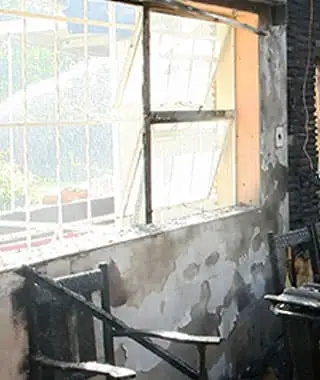
Common Misconceptions Explained: Fire Damage Restoration Challenges in Coastal Neighborhoods Near Biscayne Bay
Living near Biscayne Bay offers coastal charm, beautiful views, and a relaxed Florida lifestyle. However, homeowners in these areas also face unique property risks, including fire hazards. Fires, whether caused by electrical malfunctions, cooking accidents, or storm-related damage, can leave devastating physical and environmental impacts. Fire damage restoration in coastal neighborhoods is especially challenging due to factors like humidity, salt-laden air, and the proximity of bayfront homes. At Tip Top Water and Fire Damage Restoration, we have extensive experience managing these challenges for properties in North Miami, North Miami Beach, Sunny Isles Beach, Bal Harbour, Aventura, Miami Shores, Surfside, Biscayne Park, and nearby coastal communities. Understanding common misconceptions and the realities of fire damage restoration is essential for homeowners seeking effective recovery and long-term property protection.
What Fire Damage Restoration Entails
Fire damage restoration is a complex process that addresses not only the visible destruction caused by flames but also the hidden effects of smoke, heat, and water used during firefighting. Restoration typically involves:
- Assessment of Structural Damage – Identifying weakened walls, ceilings, and flooring.
- Smoke and Soot Removal – Cleaning surfaces affected by smoke residue to prevent staining and corrosion.
- Water Damage Mitigation – Addressing water used to extinguish the fire, which can lead to mold growth and further structural issues.
- Odor Neutralization – Removing lingering smoke odors from fabrics, carpets, and HVAC systems.
- Repairs and Reconstruction – Restoring homes to safe, livable conditions while ensuring building codes and safety standards are met.
Many homeowners underestimate the scope and technical expertise required to manage these interrelated challenges.
Why Coastal Homes Face Unique Fire Restoration Challenges
Coastal properties near Biscayne Bay face environmental factors that complicate restoration efforts:
- High Humidity – Moist air can exacerbate water-related issues following firefighting, slowing drying and increasing the risk of mold.
- Salt Air Exposure – Salt-laden air accelerates corrosion of metal structures, HVAC components, and appliances affected by fire.
- Storm-Prone Environment – Coastal homes are more likely to experience combined damage from fires and storm-related water intrusion.
- High Property Value and Custom Construction – Luxury finishes, custom cabinetry, and delicate materials require specialized care during restoration.
- Complex HVAC and Electrical Systems – Multi-unit buildings and high-rise homes require careful attention to ductwork, electrical wiring, and mechanical systems post-fire.
These factors demand careful, professional management to ensure both structural integrity and indoor air quality are restored.
Common Misconceptions About Fire Damage Restoration
Several misconceptions often lead homeowners to underestimate the complexity and cost of fire restoration:
- “Once the fire is out, the damage is done.”
Many assume that extinguishing flames resolves the problem. In reality, smoke, soot, and water damage continue to affect the home long after the fire is extinguished. - “DIY cleaning is sufficient.”
Using household cleaners may remove visible soot or ash, but embedded residues, odors, and corrosion require specialized treatments to prevent long-term damage. - “Water damage from firefighting isn’t as serious as the fire itself.”
Water used to extinguish flames can penetrate walls, ceilings, and flooring, creating hidden moisture pockets that promote mold and structural decay. - “Smoke odors can be masked with air fresheners.”
Smoke particles penetrate fabrics, carpets, and ductwork. Temporary masking does not eliminate the odor or underlying contamination. - “All fire-damaged materials must be replaced.”
With proper assessment and treatment, many materials can be cleaned, deodorized, and restored, reducing replacement costs.
Understanding these misconceptions helps homeowners make informed decisions about professional fire damage restoration.
Signs That Professional Restoration Is Needed
Homeowners should be aware of visible and hidden indicators that require professional intervention:
- Soot-stained walls, ceilings, or floors
- Lingering smoke odors despite cleaning
- Water stains from firefighting efforts
- Warping, cracking, or charring of wood, drywall, or cabinetry
- Corroded metals or appliances due to combined water and salt exposure
- HVAC and ductwork contamination spreading smoke residues
Prompt professional assessment prevents further degradation, preserves indoor air quality, and ensures compliance with building safety standards.
Hidden Challenges in Coastal Fire Restoration
Fire restoration in Biscayne Bay neighborhoods often involves dealing with hidden issues that homeowners may overlook:
- Salt-Accelerated Corrosion – Metal beams, fasteners, and ductwork may deteriorate faster in coastal air.
- Moisture Trapped Behind Walls – Water used to extinguish flames can seep into cavities, insulation, and subfloors.
- Smoke Penetration in HVAC Systems – Ducts can carry smoke particles throughout the home if not properly cleaned.
- Odor Retention in Fabrics – Upholstery, carpets, and drapes absorb smoke chemicals, requiring specialized deodorization.
- Mold Growth – High humidity combined with water intrusion promotes microbial growth after a fire.
Professional restoration addresses both visible and concealed damage to ensure comprehensive recovery.
Tools and Techniques Used in Fire Damage Restoration
Tip Top Water and Fire Damage Restoration uses advanced equipment to manage the multifaceted challenges of coastal fire damage:
- Soot and Smoke Removal Systems – Specialized vacuums and cleaning solutions to remove embedded residues.
- Thermal Fogging and Ozone Treatments – Neutralize smoke odors in walls, ducts, and fabrics.
- Moisture Detection Tools – Thermal imaging cameras and moisture meters to locate water trapped behind surfaces.
- Dehumidifiers and Air Movers – Facilitate drying of water-saturated structures and materials.
- Corrosion Control Treatments – Address salt-induced deterioration on metals and appliances.
- Structural Assessment and Repair – Identify compromised beams, walls, or floors and restore structural integrity.
Using this combination of tools ensures both short-term cleanup and long-term protection of the home.
Step-by-Step Fire Damage Restoration Process
A professional fire restoration process typically follows these steps:
- Assessment and Documentation – Evaluate structural, smoke, and water damage to plan restoration.
- Securing the Property – Remove debris and stabilize damaged areas to prevent further deterioration.
- Soot and Smoke Removal – Clean surfaces, ductwork, and HVAC systems.
- Water Mitigation – Extract standing water and dry affected areas.
- Odor Neutralization – Apply thermal fogging, ozone, or other treatments to eliminate smoke odors.
- Repairs and Reconstruction – Replace or repair damaged materials while ensuring compliance with safety standards.
- Final Inspection – Verify that structural, aesthetic, and air quality standards have been restored.
This structured approach ensures that all aspects of fire and secondary water damage are addressed.
Real-World Observations from Biscayne Bay Neighborhoods
Through experience in coastal neighborhoods, several patterns emerge:
- AC Systems Are Often Compromised – High humidity and salt air accelerate corrosion in units and ductwork affected by fire.
- Luxury Finishes Require Specialized Care – Custom wood, tile, and stone surfaces demand careful cleaning and restoration techniques.
- Combined Fire and Water Damage – Homes often face simultaneous issues from extinguishing efforts and storm-related flooding.
- Mold Risks Increase Post-Fire – Even minor water exposure combined with humid coastal air can lead to rapid microbial growth.
These observations emphasize the importance of timely, professional intervention tailored to coastal conditions.
Preventing Future Fire and Secondary Damage
Property owners can take proactive steps to reduce the impact of future fires:
- Conduct routine electrical inspections and maintain wiring in older homes
- Inspect and maintain HVAC systems to prevent leaks and condensation problems
- Install fire detection and suppression systems appropriate for coastal homes
- Regularly clean and inspect ductwork to minimize smoke or microbial spread in the event of a fire
- Maintain roofing, siding, and exterior materials to reduce structural vulnerabilities
Preventive measures reduce both fire risk and the potential for subsequent water or mold damage.
Why Local Expertise Matters
Coastal neighborhoods near Biscayne Bay present unique restoration challenges:
- Salt-laden air accelerates corrosion and material degradation
- High humidity promotes mold growth after fire suppression efforts
- Storm-prone conditions increase the likelihood of combined water and fire damage
- Older homes and high-rise buildings require specialized attention to HVAC systems, electrical, and structural components
Local professionals like Tip Top Water and Fire Damage Restoration understand these environmental factors and provide tailored fire damage restoration services for Biscayne Bay properties.
Calm, Trust-Based Call to Action
Fire damage in coastal Biscayne Bay neighborhoods is multifaceted, involving structural, smoke, water, and mold concerns. Professional restoration ensures that hidden issues are addressed, odors are neutralized, and homes are restored safely and effectively. Timely intervention minimizes long-term damage and preserves property value. Tip Top Water and Fire Damage Restoration brings the expertise, tools, and local knowledge necessary to manage the unique challenges of fire damage in coastal North Miami, Sunny Isles Beach, Bal Harbour, Aventura, Miami Shores, Surfside, Biscayne Park, and nearby communities.