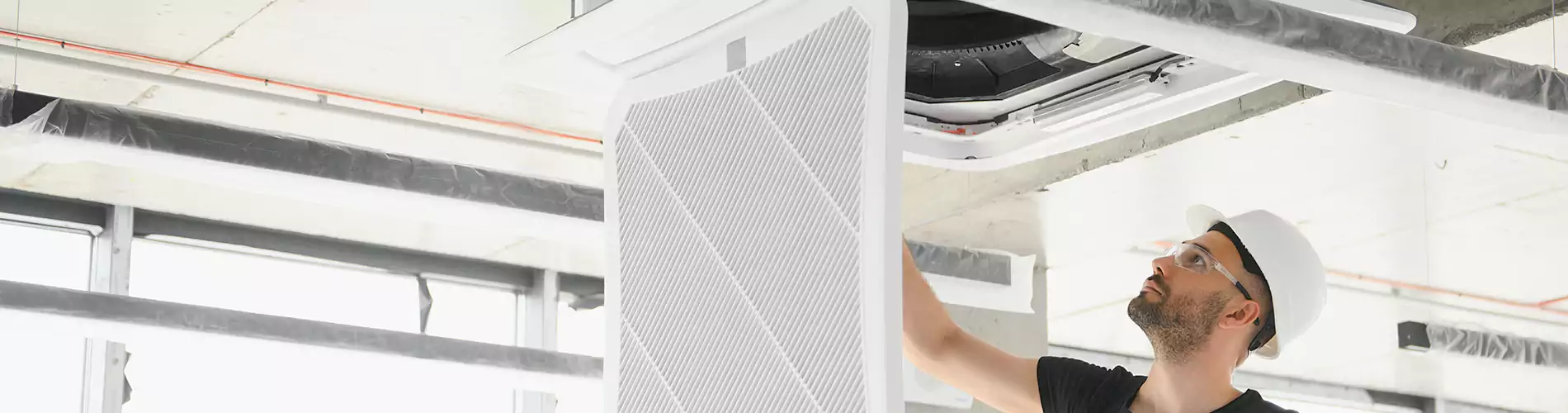
Why Mold Removal Becomes Necessary in Aventura in High-Rise Condos
Aventura’s skyline is marked by luxury high-rise condos offering sweeping views of the Intracoastal Waterway and the Atlantic Ocean. While these residences provide unparalleled comfort, their unique construction and coastal location also make them particularly susceptible to moisture-related issues. Among the most pressing of these issues is mold growth. Mold not only affects the structural integrity of building materials but also compromises indoor air quality and the comfort of residents. At Tip Top Water and Fire Damage Restoration, we have extensive experience handling mold removal and remediation in high-rise condos throughout Aventura, North Miami, North Miami Beach, Sunny Isles Beach, Bal Harbour, Miami Shores, Surfside, Biscayne Park, and nearby coastal communities. Understanding why mold removal becomes necessary is critical for property owners, residents, and property managers seeking to maintain healthy, safe living environments.
What Mold Is and How It Forms
Mold is a type of fungus that thrives in warm, damp, and poorly ventilated environments. It reproduces through microscopic spores that float in the air and can settle on surfaces such as drywall, ceilings, flooring, insulation, and furnishings. High-rise condos in Aventura face specific environmental conditions that favor mold growth:
- Elevated Humidity – Coastal humidity often exceeds 70%, creating an ideal environment for spores to germinate.
- AC Condensation – Central air conditioning systems may produce condensation in ductwork, drip pans, or coil surfaces, contributing to localized moisture accumulation.
- Water Leaks – Plumbing failures, roof leaks, or seepage through windows and balcony doors allow water to infiltrate walls and floors.
- Poor Ventilation – Enclosed spaces and limited airflow in high-rise units hinder natural drying, allowing moisture to persist.
Understanding these factors helps property owners recognize why mold removal is often unavoidable in high-rise condo settings.
Why Mold Becomes a Recurring Issue in High-Rise Condos
Several factors make high-rise condos particularly vulnerable to mold growth:
- Shared Infrastructure – Water leaks from neighboring units or common plumbing risers can introduce moisture to multiple condos simultaneously.
- Limited Air Circulation – Interior walls, hallways, and enclosed balconies often restrict airflow, slowing the drying of damp surfaces.
- HVAC Systems – Centralized systems that serve multiple floors can harbor moisture and distribute spores throughout the building if not properly maintained.
- Construction Materials – Drywall, insulation, and carpet padding absorb moisture easily, especially when exposed to AC condensation or water intrusion.
- High Coastal Humidity – Constant exposure to tropical humidity slows natural evaporation, allowing even minor leaks or condensation to trigger mold growth.
These conditions illustrate why mold is not just a cosmetic problem but a structural and environmental concern in high-rise condos.
Common Signs Residents and Property Owners Notice
Early recognition of mold is crucial to prevent widespread damage. Residents may notice:
- Musty or damp odors throughout the unit or near affected areas
- Discoloration on walls, ceilings, or behind furniture
- Peeling or bubbling paint or wallpaper
- Condensation accumulation on windows or balcony doors
- Visible mold growth along grout lines, baseboards, or under sinks
- Health symptoms such as allergy flare-ups, coughing, or respiratory discomfort
Even small patches of visible mold often indicate a larger hidden problem, necessitating professional assessment and removal.
Hidden or Overlooked Sources of Mold
In high-rise condos, mold frequently originates from hidden or overlooked sources:
- Inside Walls – Moisture from plumbing leaks, AC condensation, or external water intrusion can lead to mold growth inside wall cavities.
- Under Flooring – Carpets and padding absorb water from spills, leaks, or flood events, creating an ideal environment for mold spores.
- HVAC Ductwork – Ducts accumulate moisture and dust, distributing spores throughout the condo if not cleaned properly.
- Ceilings and Attics – Moisture infiltration from upper units or roof areas can create hidden mold pockets.
- Balcony and Window Seal Failures – Water can penetrate from exterior areas into the interior walls or flooring.
Hidden mold is particularly insidious because it spreads unnoticed, often exacerbating damage before detection.
Why DIY Mold Removal Often Fails
Many residents attempt to handle mold with household cleaners or temporary fixes. While these may address small surface spots, DIY methods frequently fail due to:
- Hidden Mold – Mold behind walls, under flooring, or inside HVAC systems remains untreated.
- Incomplete Spore Removal – Surface cleaning rarely removes all spores, allowing regrowth.
- Improper Handling – Scrubbing or using bleach can release spores into the air, increasing contamination.
- Limited Moisture Control – Without addressing the root cause of dampness, mold will return.
Professional mold removal ensures both visible and hidden mold is addressed while preventing recurrence.
Professional Mold Inspection and Testing
Tip Top Water and Fire Damage Restoration uses specialized equipment and procedures to identify mold in high-rise condos:
- Visual Inspection – Identifying visible signs of mold growth, water damage, and moisture intrusion.
- Moisture Mapping – Using moisture meters to measure water content in walls, flooring, and ceilings.
- Thermal Imaging – Detecting hidden moisture that may indicate mold-prone areas.
- Air and Surface Sampling – Testing for mold spores in the air and on surfaces to determine contamination levels.
- Duct Inspection – Evaluating HVAC systems for spore accumulation and moisture-related issues.
This comprehensive evaluation ensures mold problems are thoroughly understood before remediation begins.
Proper Mold Removal and Remediation Process
A professional mold removal process in high-rise condos typically includes:
- Containment – Sealing off affected areas to prevent spore spread.
- Air Filtration – Using HEPA filters and air scrubbers to capture airborne spores.
- Surface Cleaning – Applying specialized cleaning agents to remove mold from walls, flooring, and structural surfaces.
- HVAC Cleaning – Treating ductwork and components to prevent contamination throughout the unit.
- Moisture Control – Drying affected areas with dehumidifiers and air movers to prevent regrowth.
- Repair and Restoration – Replacing or repairing damaged materials while restoring the condo to safe, livable conditions.
Following this method ensures both immediate and long-term protection against mold recurrence.
Real-World Observations from Aventura Condos
Through experience in Aventura high-rises, several patterns are consistently observed:
- AC Systems Are Major Contributors – Condensation in drip pans, coil lines, and ducts is a common source of indoor moisture.
- Inter-Unit Water Leaks Spread Mold – Plumbing failures in one unit often affect neighboring condos, requiring coordinated inspections.
- Luxury Finishes Require Careful Treatment – Hardwood, custom cabinetry, and tile surfaces must be handled carefully to avoid damage during mold removal.
- Humidity Prolongs Mold Growth – High coastal humidity slows drying and supports rapid microbial proliferation after minor leaks.
These patterns underscore the need for professional, experienced intervention in high-rise settings.
Preventing Mold Growth in High-Rise Condos
Property owners and residents can take proactive steps to reduce mold risk:
- Schedule routine AC maintenance and ensure drip pans and condensate lines are clear
- Inspect plumbing regularly for leaks or signs of water intrusion
- Improve ventilation in bathrooms, kitchens, and enclosed hallways
- Use dehumidifiers during extended periods of high humidity
- Seal balcony doors and windows to prevent water penetration during storms
- Conduct periodic mold inspections, particularly after storms or heavy rainfall
Preventive measures help maintain healthy indoor air quality and protect building materials from long-term damage.
Why Local Expertise Matters
Aventura’s coastal climate and high-rise construction create unique mold challenges:
- Persistent high humidity accelerates mold growth and complicates drying
- Salt-laden air can exacerbate HVAC system corrosion and material deterioration
- Storms increase the likelihood of water intrusion from multiple sources
- Shared plumbing and HVAC systems in high-rises require specialized knowledge for effective mold containment
Local professionals like Tip Top Water and Fire Damage Restoration have the experience, tools, and understanding of Aventura’s environment to provide thorough mold removal and long-term protection.
Calm, Trust-Based Call to Action
Mold in high-rise condos is a complex, persistent challenge in Aventura’s humid, coastal environment. Professional mold inspection, testing, and removal address both visible and hidden contamination, restore indoor air quality, and prevent further damage to building materials. Timely intervention protects residents, preserves property value, and ensures a safe, comfortable living environment. Tip Top Water and Fire Damage Restoration brings the expertise, tools, and local knowledge necessary to manage mold effectively in high-rise condos throughout Aventura and surrounding coastal communities.