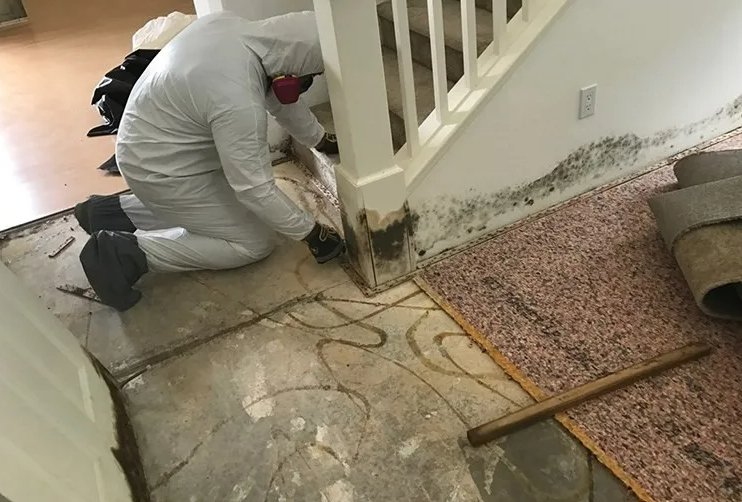
Flood Restoration in Bayfront Homes in North Miami: Real-World Observations from Local Properties
Bayfront homes in North Miami offer stunning views, direct access to waterways, and a desirable coastal lifestyle. However, living near the water comes with unique property maintenance challenges, particularly the risk of flooding. Heavy rains, storm surges, and rising tides can quickly inundate low-lying areas, damaging flooring, walls, furniture, and electrical systems. Flooding not only threatens the structural integrity of a home but also creates conditions conducive to mold growth and poor indoor air quality. Understanding how flood restoration works and why timely intervention is critical can help homeowners, landlords, and property managers protect their investments. Tip Top Water and Fire Damage Restoration has extensive experience managing flood restoration, water damage repair, and moisture remediation for bayfront properties in North Miami, North Miami Beach, Sunny Isles Beach, Bal Harbour, Aventura, Miami Shores, Surfside, Biscayne Park, and surrounding coastal neighborhoods.
Understanding Flood Damage in Coastal Homes
Flooding in coastal homes often comes from multiple sources:
- Stormwater Overflow – Intense rainfall can overwhelm drainage systems and cause water to enter homes.
- Storm Surges – Hurricanes or tropical storms can push seawater into low-lying areas.
- High Tides and King Tides – Particularly in spring or during extreme tidal events, water may intrude into basements or ground floors.
- Plumbing Failures – Burst pipes, sump pump failures, or malfunctioning drainage systems can compound flood impacts.
Water intrusion can affect multiple areas of a home, including flooring, walls, insulation, cabinetry, and HVAC systems. If left untreated, it can cause structural weakening, mold growth, and corrosion of electrical components.
Why Flood Restoration Is Critical
Prompt flood restoration is essential for several reasons:
- Prevent Structural Damage – Water can warp wood, compromise drywall, and weaken support beams.
- Reduce Mold Risk – Moisture from flooding creates ideal conditions for microbial growth within 24–48 hours.
- Preserve Property Value – Unaddressed flood damage can result in long-term deterioration and reduce resale value.
- Maintain Indoor Air Quality – Standing water and damp materials promote musty odors and airborne mold spores.
- Safety – Electrical hazards, compromised flooring, and hidden structural issues can create risks for residents and workers.
Professional flood restoration ensures that water is removed safely, affected materials are dried or replaced, and the home is stabilized for long-term use.
Common Signs That Flood Damage Has Occurred
Homeowners should be vigilant for signs of flood-related water damage:
- Visible water stains on walls, ceilings, or flooring
- Warped or buckled wood floors
- Bubbling, peeling, or discolored paint or wallpaper
- Musty or moldy odors in basements, crawl spaces, or attics
- Persistent dampness or condensation on windows and walls
- Electrical or appliance malfunction due to water exposure
- Standing water after storms or high tides
Even minor signs can indicate a larger problem behind walls or under flooring, which makes professional assessment crucial.
Hidden Sources of Water Damage
Water can infiltrate bayfront homes in areas that are not immediately visible:
- Under Flooring – Water can seep beneath hardwood, tile, or carpet, saturating subflooring.
- Wall Cavities and Insulation – Water often migrates behind walls, soaking insulation and wooden framing.
- Crawl Spaces and Basements – These areas are prone to pooling water or rising damp, especially in slab foundations.
- HVAC Systems and Ductwork – Floodwater or condensation can damage air handling units and circulate contaminants.
- Electrical Conduits and Outlets – Hidden water can compromise wiring, creating safety hazards.
Professional flood restoration identifies these hidden issues and addresses them to prevent long-term damage.
Why DIY Flood Restoration Often Fails
While homeowners may attempt to manage flooding themselves, DIY efforts often fall short:
- Moisture may remain trapped in subflooring, walls, or insulation.
- Inadequate drying can promote mold growth within 24–48 hours.
- Improper cleaning or disinfection may leave bacteria or contaminants behind.
- Electrical, plumbing, and structural hazards may be overlooked.
- Restoring air quality and HVAC systems requires specialized equipment and expertise.
Professional flood restoration ensures complete water removal, drying, cleaning, and monitoring for microbial growth.
Professional Flood Restoration Process
Tip Top Water and Fire Damage Restoration follows a systematic approach to restore bayfront homes after flooding:
- Assessment and Inspection – Identify the source of water, assess structural and material damage, and document the affected areas.
- Water Removal – Utilize industrial pumps, vacuums, and extraction equipment to remove standing water quickly.
- Drying and Dehumidification – Apply professional air movers, dehumidifiers, and ventilation to dry affected materials and prevent mold growth.
- Cleaning and Sanitization – Treat surfaces, HVAC systems, and contents with antimicrobial agents to remove contaminants.
- Repair and Restoration – Replace damaged drywall, flooring, insulation, and cabinetry as necessary.
- Monitoring – Use moisture meters and thermal imaging to ensure all areas are thoroughly dried before final restoration.
- Preventive Recommendations – Provide guidance on minimizing future flood risk, including drainage improvements, sealing, and maintenance schedules.
This comprehensive process restores homes to pre-flood conditions while safeguarding structural integrity and indoor air quality.
Preventive Measures for Bayfront Properties
Property owners can reduce the impact of flooding with preventive strategies:
- Routine Roof and Gutter Maintenance – Ensure proper drainage to prevent water intrusion.
- Seal Windows, Doors, and Flashing – Prevent stormwater from entering vulnerable points.
- Sump Pumps and Backflow Valves – Maintain functional pumps and check valves to manage water intrusion.
- Landscape Grading – Direct runoff away from foundations and low-lying areas.
- Routine HVAC and Plumbing Inspection – Check for leaks or condensation that could exacerbate water damage.
- Moisture Monitoring – Install sensors in basements, crawl spaces, or attics to detect early water intrusion.
Proactive maintenance reduces the risk of extensive damage and lowers restoration costs.
Real-World Observations from North Miami Bayfront Homes
Experience in local properties highlights key patterns:
- Coastal flooding often reveals vulnerabilities in roofing, window seals, and slab foundations.
- Hidden water behind walls, beneath floors, and in HVAC systems is common, even in minor floods.
- Homes with preventive maintenance experience faster recovery and reduced structural impact.
- Timely intervention is critical—delays increase the likelihood of mold growth, material deterioration, and secondary damage.
These observations underscore the importance of combining professional restoration with ongoing property maintenance.
Why Local Expertise Matters
Flood restoration in North Miami bayfront homes requires specialized local knowledge:
- Persistent humidity affects drying times and microbial growth risk.
- Saltwater intrusion accelerates corrosion and material degradation.
- Multi-level or luxury properties present complex restoration challenges.
- Storm-prone conditions necessitate rapid response and effective water removal.
Local professionals like Tip Top Water and Fire Damage Restoration bring the expertise, equipment, and environmental awareness to restore homes safely and effectively.
Calm, Trust-Based Call to Action
Flooding in bayfront homes can cause extensive damage if not addressed promptly. Professional flood restoration ensures rapid water removal, thorough drying, microbial mitigation, and structural repair. Preventive measures, routine inspections, and timely intervention preserve property value, maintain indoor air quality, and protect the home’s structural integrity. Tip Top Water and Fire Damage Restoration provides trusted, local expertise to help North Miami homeowners, landlords, and property managers respond to flooding and safeguard their coastal properties.