
Property Maintenance Insights: Indoor Air Quality Improvement in North Miami
North Miami offers residents the benefits of coastal living, vibrant neighborhoods, and proximity to Biscayne Bay. However, property owners in the area face a constant environmental challenge: maintaining healthy indoor air quality in a humid, storm-prone climate. While outdoor air may feel fresh near the water, indoor air can easily become contaminated by moisture, mold spores, dust, and airborne pollutants if properties are not properly maintained.
Indoor air quality is directly connected to property maintenance. Homes that manage moisture, ventilation, and cleanliness effectively tend to avoid many air quality problems. Understanding how indoor air quality declines—and how to improve it—helps North Miami homeowners protect both property value and daily comfort.
Small maintenance decisions often make a significant difference over time.
Why Indoor Air Quality Matters in North Miami Homes
Indoor air quality refers to the cleanliness and healthiness of air inside a property. When indoor air contains excessive dust, mold spores, or moisture, it can create discomfort and unpleasant living conditions.
In North Miami, air quality concerns often stem from high humidity, water intrusion after storms, and continuous air conditioning use. Moisture allows mold to develop inside walls, ducts, and flooring systems, releasing spores into the air.
Additionally, dust accumulation, pet dander, cooking residues, and household cleaning products can contribute to indoor air pollution when ventilation is insufficient.
Improving indoor air quality begins with understanding how these issues develop.
How Humidity Affects Indoor Air Quality
Humidity is the biggest air quality challenge for South Florida properties. When indoor humidity levels remain high, moisture settles on walls, ceilings, and furnishings, encouraging mold growth and dust mite activity.
Even when homes appear clean, elevated humidity levels allow contaminants to thrive. Closets, storage rooms, and poorly ventilated spaces often become damp environments that produce musty odors.
Air conditioning systems help control humidity, but if equipment is poorly maintained or undersized, moisture may remain trapped inside the home.
Maintaining balanced humidity levels is essential for long-term air quality improvement.
Common Signs of Poor Indoor Air Quality
Indoor air quality problems often develop gradually. Many homeowners do not realize an issue exists until symptoms become noticeable.
Common warning signs include:
Persistent musty odors indoors
Visible mold growth around vents or walls
Dust accumulating quickly after cleaning
Condensation on windows or vents
Stale or heavy indoor air
Increased allergy-like irritation indoors
These symptoms usually indicate ventilation or moisture problems that need attention.
Addressing issues early prevents more extensive contamination later.
Hidden Sources of Indoor Air Contamination
Many air quality issues originate in areas homeowners rarely inspect. Professional inspections frequently uncover contamination in:
HVAC duct systems carrying dust or mold
Attic spaces with poor ventilation
Wall cavities after plumbing leaks
Moisture trapped beneath flooring
Dirty air handler components
Because these spaces are hidden, contamination spreads quietly through airflow systems. Improving indoor air quality requires identifying and correcting these concealed problems.
Ignoring hidden moisture or contamination allows indoor conditions to worsen over time.
Why DIY Solutions Often Provide Temporary Relief
Homeowners sometimes try to improve indoor air quality by using air fresheners or household air purifiers. While these measures may temporarily mask odors, they do not solve underlying problems.
Without addressing moisture sources, mold and contaminants continue growing behind walls or inside ventilation systems. Air purifiers also struggle when contamination levels remain high.
Professional inspection and maintenance ensure indoor air quality improves at the source rather than only on the surface.
Long-term improvement requires proper moisture control and ventilation management.
Professional Inspection and Air Quality Assessment
Improving indoor air quality begins with inspection. Specialists evaluate properties to identify moisture sources, mold risks, and airflow problems.
Moisture meters and thermal imaging tools detect damp materials hidden behind surfaces. HVAC systems are inspected to determine whether contamination exists inside ductwork or air handling equipment.
Air sampling may be used to measure indoor airborne particles and compare them with outdoor conditions. These assessments help determine whether professional cleaning or remediation is needed.
Inspection provides clear direction for improving indoor air conditions.
The Role of HVAC Maintenance in Air Quality
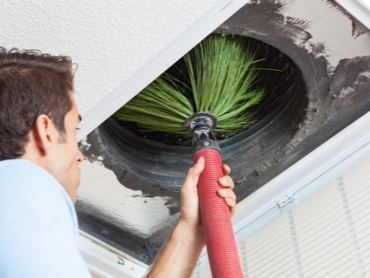
Air conditioning systems play a major role in indoor air quality. When ducts and air handlers accumulate dust or moisture, contaminants circulate throughout the home whenever the system operates.
Routine HVAC maintenance includes cleaning air handlers, replacing filters regularly, and ensuring condensate drain lines function properly. Proper insulation of ductwork prevents condensation that could lead to mold growth.
Improved airflow and filtration reduce dust and allergens indoors, creating more comfortable living environments.
Maintaining HVAC systems remains one of the most effective air quality improvement steps.
Mold Remediation and Moisture Control
When mold contamination is discovered, remediation becomes necessary to restore indoor air quality. Remediation involves isolating contaminated areas, safely removing mold growth, and drying affected materials.
Containment procedures prevent spores from spreading during cleanup. Professional antimicrobial treatments help eliminate contamination while drying equipment removes lingering moisture.
Companies like Tip Top Water and Fire Damage Restoration frequently help North Miami homeowners address mold and moisture concerns that directly impact indoor air quality.
Addressing mold quickly prevents further contamination and odor problems.
Water Damage and Its Impact on Indoor Air
Water damage events significantly affect air quality if not handled correctly. Plumbing leaks, flooding, or storm intrusion introduce moisture that allows mold growth inside walls and flooring.
Even when water disappears quickly, hidden moisture can remain. Proper water removal and drying eliminate these risks before contamination spreads.
Scheduling inspections after water intrusion events helps prevent indoor air quality from declining later.
Quick action protects both structure and air quality.
Maintenance Practices That Improve Indoor Air Quality
Property owners in North Miami can improve indoor air quality through consistent maintenance practices. Helpful steps include:
Maintaining air conditioning systems regularly
Replacing HVAC filters frequently
Repairing leaks immediately
Improving ventilation in kitchens and bathrooms
Using dehumidifiers during humid periods
Scheduling periodic moisture inspections
Keeping homes clean and well ventilated significantly reduces contamination risks.
Small routine efforts provide long-term benefits.
Why Local Experience Matters for Air Quality Improvement
Indoor air quality challenges differ in coastal South Florida compared to inland areas. Professionals familiar with North Miami understand how humidity, storms, and construction styles influence indoor conditions.
Local expertise allows technicians to identify moisture trouble spots quickly and recommend solutions suited to coastal homes rather than generic approaches.
Tip Top Water and Fire Damage Restoration regularly assists homeowners across North Miami and nearby communities with moisture and air quality concerns unique to coastal living.
Local knowledge improves long-term results.
A Practical Path Forward for Homeowners
Improving indoor air quality begins with awareness and proper maintenance. Moisture control, ventilation management, and regular inspections help prevent contamination before it spreads.
For North Miami homeowners, maintaining indoor air quality ensures homes remain comfortable and protected despite coastal climate challenges. With proactive maintenance and professional support when needed, indoor air conditions remain safe year-round.
Taking small preventive steps today avoids costly restoration problems tomorrow.