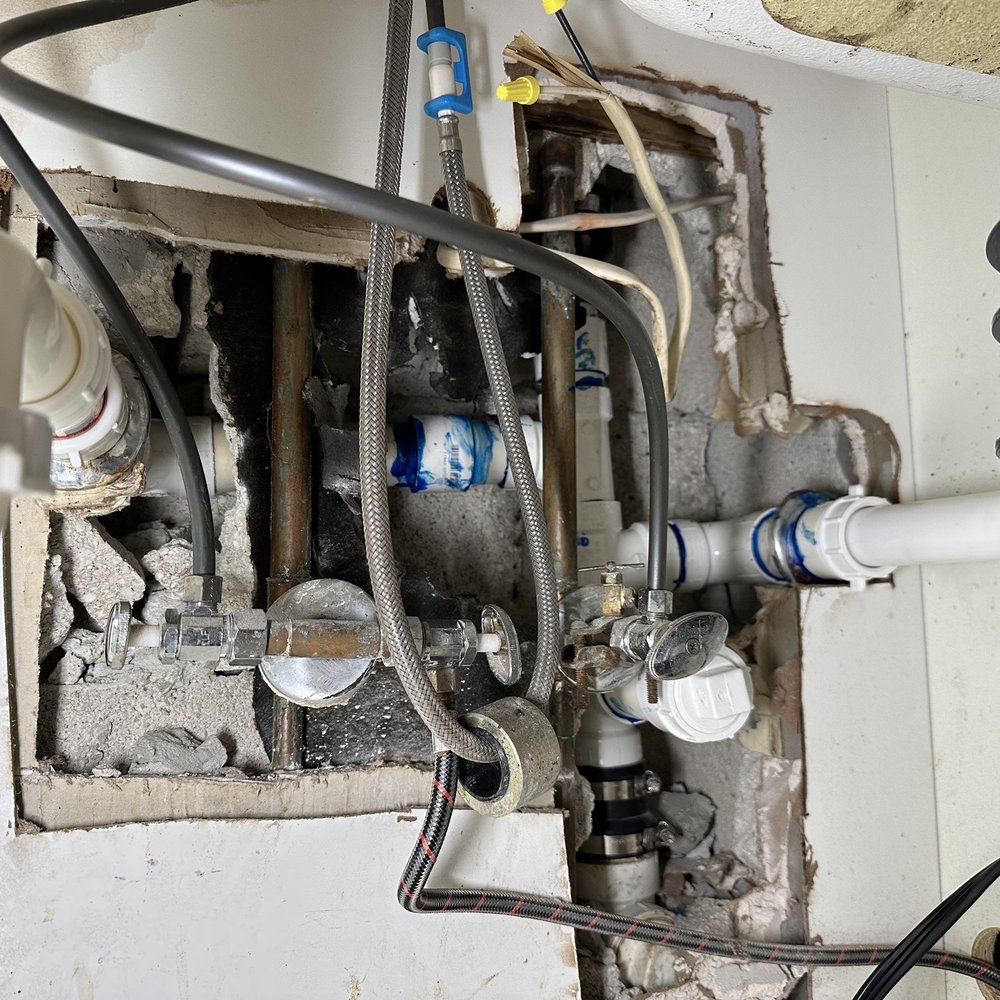
Long-Term Protection Tips Related to Water Leak Detection in Surfside
Surfside, a picturesque coastal community in Miami-Dade County, is renowned for its oceanfront living, high-rise condos, and luxury homes. However, the region’s tropical climate, seasonal storms, and coastal humidity make properties highly susceptible to water intrusion. Even minor leaks, if left undetected, can compromise structural integrity, promote mold growth, and lead to costly repairs. Understanding how to detect water leaks early and implement long-term protection measures is essential for homeowners, landlords, and property managers. Tip Top Water and Fire Damage Restoration has extensive experience providing water leak detection, moisture monitoring, and preventive maintenance services for properties in Surfside, North Miami Beach, North Miami, Sunny Isles Beach, Bal Harbour, Aventura, Miami Shores, Biscayne Park, and nearby coastal neighborhoods.
Understanding Water Leaks and Their Consequences
A water leak occurs when water escapes from its intended path in plumbing, roofing, or mechanical systems. In Surfside, common sources include:
- Plumbing Failures – Pipes, valves, and fittings can corrode, loosen, or rupture over time.
- Roof or Balcony Leaks – Damaged flashing, tiles, or seals allow rainwater to penetrate the structure.
- HVAC Condensation – Air conditioning systems produce moisture that can accumulate in ductwork or drip pans.
- Window and Door Seals – Poorly maintained seals allow water intrusion during storms.
- Stormwater and Flooding – Heavy rainfall and storm surges can overwhelm drainage systems and enter low-lying areas.
Unchecked leaks can lead to structural weakening, mold development, deterioration of flooring and drywall, and compromised indoor air quality.
Why Early Detection Matters
Early identification of water leaks provides several advantages:
- Preserve Structural Integrity – Prevents rot, warping, and weakening of wooden and drywall elements.
- Reduce Mold Risk – Moist areas are breeding grounds for mold, which can spread rapidly if left untreated.
- Protect Property Value – Homes with a history of water damage are harder to sell and often require extensive repairs.
- Maintain Indoor Air Quality – Moisture fosters mold growth and the proliferation of airborne spores.
- Prevent Escalating Costs – Addressing leaks early avoids expensive structural repairs, content replacement, and remediation.
Professional water leak detection is essential for identifying both visible and hidden sources.
Common Signs of Water Leaks
Homeowners and property managers should look for:
- Water stains on ceilings, walls, or floors
- Bubbling or peeling paint and wallpaper
- Warped or soft flooring
- Musty or moldy odors
- Visible dripping or pooling water
- Corrosion on plumbing, fixtures, or HVAC components
Even subtle signs may indicate a larger issue within walls, under flooring, or inside ductwork.
Hidden Sources of Water Intrusion
Water often infiltrates areas that are not immediately visible:
- Wall Cavities and Insulation – Water can migrate behind walls, saturating insulation and structural beams.
- HVAC Systems and Ductwork – Moisture accumulation can spread microbial contaminants throughout the home.
- Crawl Spaces and Slab Foundations – Poor ventilation and rising dampness can lead to hidden leaks.
- Attics and Ceiling Spaces – Roof leaks often saturate attic insulation before appearing in living areas.
- Window and Balcony Flashing – Coastal homes with high winds or salt air may develop leaks at improperly sealed joints.
Professional leak detection uses specialized tools to uncover these hidden sources.
Why DIY Leak Detection Often Fails
Many homeowners attempt to locate leaks themselves, but DIY methods have limitations:
- Hidden leaks may remain undetected behind walls or under flooring.
- Water can travel along structural paths, masking the true entry point.
- Incomplete drying can create conditions for mold growth.
- Safety risks arise when inspecting attics, crawl spaces, or rooftops without proper equipment.
Professional inspection ensures accuracy, safety, and a long-term solution.
Professional Water Leak Detection Techniques
Tip Top Water and Fire Damage Restoration uses advanced techniques to locate leaks:
- Visual Inspection – Assess plumbing, roofing, gutters, and interior spaces for visible signs of water intrusion.
- Moisture Meters – Detect damp areas behind walls, under floors, and in ceilings.
- Thermal Imaging – Identify temperature anomalies caused by retained moisture.
- Pressure and Flow Testing – Isolate leaks in plumbing, roofs, or HVAC systems.
- HVAC System Evaluation – Inspect air handling units, drip pans, and ductwork for water accumulation.
These tools allow professionals to identify leaks accurately and minimize unnecessary repairs.
Long-Term Protection Strategies
Once leaks are detected and addressed, implementing preventive measures ensures long-term protection:
- Regular Roof and Gutter Maintenance – Inspect for damage, clean debris, and repair flashing or seals.
- Seal Windows, Doors, and Balconies – Prevent water intrusion in areas exposed to coastal storms.
- Maintain Plumbing Systems – Regularly inspect pipes, valves, and appliances for signs of corrosion or leaks.
- HVAC Maintenance – Ensure proper drainage, clean drip pans, and inspect coils for condensation issues.
- Install Moisture Sensors – Monitor attics, basements, crawl spaces, and walls for early water detection.
- Landscape Grading and Drainage – Direct runoff away from foundations and low-lying areas.
- Routine Inspections – Schedule annual or semi-annual professional inspections to catch issues early.
These strategies not only prevent future leaks but also protect structural integrity and indoor air quality.
Real-World Observations from Surfside Properties
Experience in Surfside homes highlights common patterns:
- Coastal storms and high tides often reveal vulnerabilities in roofing, flashing, and slab foundations.
- Hidden leaks in attics, walls, or HVAC systems can go undetected until damage becomes extensive.
- Preventive maintenance and early leak detection significantly reduce repair costs and the risk of mold growth.
- Properties with proactive monitoring experience fewer recurring issues and maintain higher property value.
These insights underscore the importance of combining professional detection with preventive care.
Why Local Expertise Matters
Water leak detection in Surfside requires knowledge of local conditions:
- Persistent humidity slows drying and encourages microbial growth.
- Salt-laden air accelerates corrosion in plumbing, roofing, and mechanical systems.
- Older buildings, high-rise condos, and multi-unit properties present unique challenges for detection and repair.
- Seasonal storms demand rapid identification and mitigation of leaks.
Local professionals like Tip Top Water and Fire Damage Restoration have the experience, tools, and environmental understanding necessary for effective, long-term water leak protection.
Calm, Trust-Based Call to Action
Water leaks in Surfside can silently damage homes, reduce indoor air quality, and lead to costly repairs if left unaddressed. Professional detection, remediation, and preventive maintenance protect both the property and its occupants. Early identification, timely intervention, and proactive long-term protection measures ensure structural integrity, prevent mold growth, and maintain property value. Tip Top Water and Fire Damage Restoration provides trusted, local expertise for homeowners, landlords, and property managers to safeguard Surfside properties against the risks associated with water leaks.