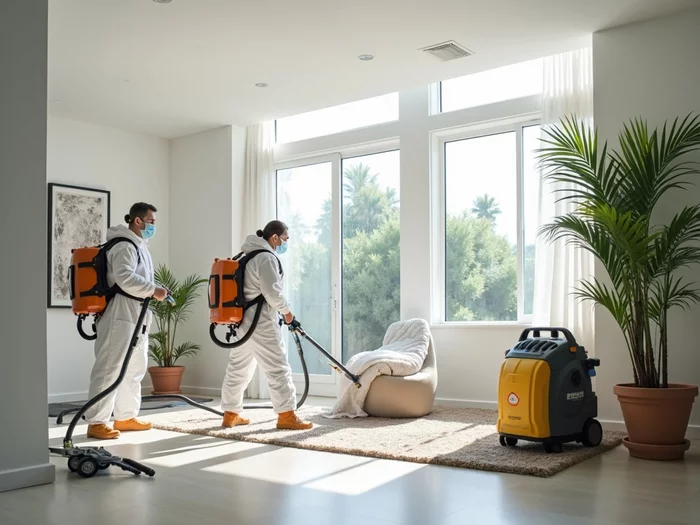
A Property Owner’s Guide to Mold Remediation in Miami Shores
Miami Shores, a scenic coastal community with tree-lined streets and historic homes, offers residents a unique combination of charm and proximity to the water. However, the area’s tropical climate, high humidity, and frequent storms make properties particularly susceptible to mold growth. Mold can develop in hidden areas of a home, from attics and crawl spaces to behind walls and inside HVAC systems, creating potential structural damage and indoor air quality concerns. For homeowners, landlords, and property managers, understanding the mold remediation process, recognizing the signs of growth, and implementing preventive measures is essential. Tip Top Water and Fire Damage Restoration provides expert mold inspection, remediation, and moisture control services for properties in Miami Shores, North Miami, North Miami Beach, Sunny Isles Beach, Bal Harbour, Aventura, Surfside, Biscayne Park, and nearby coastal neighborhoods.
Understanding Mold and Its Impact
Mold is a type of fungus that thrives in damp, humid environments. In Miami Shores, even small amounts of moisture can create ideal conditions for growth. Mold can attach to various surfaces, including:
- Wood and Drywall – Common in framing, walls, and ceilings.
- Insulation – Traps moisture and becomes a breeding ground for spores.
- Carpets and Upholstery – Absorb water from leaks or high humidity.
- HVAC Systems and Ductwork – Spread spores throughout the home.
Mold growth may lead to discoloration, musty odors, and structural deterioration if left unchecked. Early detection and remediation are critical to maintaining a safe, healthy living environment.
Why Miami Shores Homes Are Vulnerable
Several factors contribute to frequent mold issues in Miami Shores:
- High Humidity – Coastal air maintains elevated moisture levels year-round.
- Heavy Seasonal Rains – Storms can introduce water through roofs, windows, or foundations.
- Flooding and Water Intrusion – Low-lying areas and bayfront properties are especially prone to moisture accumulation.
- AC Condensation – Poorly maintained air conditioning systems can drip water into walls or flooring.
- Older Construction – Aging homes may have cracks, leaks, or inadequate ventilation.
Understanding these risk factors allows property owners to anticipate and prevent mold growth before it becomes a serious issue.
Common Signs of Mold in Homes
Homeowners should watch for the following indicators:
- Musty or earthy odors in specific areas
- Staining or discoloration on walls, ceilings, or floors
- Peeling or bubbling paint and wallpaper
- Warped or soft flooring
- Visible mold growth in damp or dark areas
- Allergic reactions or respiratory irritation among occupants
Even minor signs may indicate hidden mold behind walls, under flooring, or inside ductwork.
Hidden Sources of Mold
Mold often develops in areas that are not immediately visible:
- Crawl Spaces and Basements – Poor ventilation and damp soil create ideal conditions.
- Attics – Roof leaks or insufficient ventilation trap moisture.
- Wall Cavities and Insulation – Water intrusion behind drywall can go unnoticed for months.
- HVAC Systems and Ductwork – Circulate spores throughout the home if contaminated.
- Under Flooring or Carpets – Moisture from leaks or spills can promote growth under surfaces.
Professional inspection helps identify these hidden sources and ensures effective remediation.
Why DIY Mold Removal Often Fails
Many property owners attempt to clean mold themselves, but DIY methods are rarely sufficient:
- Mold spores may remain in hidden areas or inside HVAC systems.
- Incorrect cleaning can spread spores to unaffected areas.
- Water and moisture may not be fully addressed, allowing regrowth.
- Sensitive or extensive mold infestations require specialized equipment and containment procedures.
Professional remediation ensures thorough cleaning, moisture control, and long-term protection against regrowth.
Professional Mold Inspection and Testing
Tip Top Water and Fire Damage Restoration follows a systematic approach to mold detection and assessment:
- Visual Inspection – Identify visible mold, moisture stains, and water intrusion points.
- Moisture Measurement – Use meters and thermal imaging to detect hidden damp areas.
- Air Sampling and Surface Testing – Evaluate the presence of spores and type of mold.
- Damage Assessment – Determine structural impact and areas needing remediation.
- Report and Recommendations – Provide a detailed plan for removal, drying, and preventive measures.
Professional testing ensures accurate identification and guides effective remediation strategies.
Proper Mold Removal and Remediation Process
A comprehensive mold remediation plan typically involves:
- Containment – Seal off affected areas to prevent spores from spreading.
- Air Filtration – Use HEPA filters and negative air machines to remove airborne spores.
- Removal of Contaminated Materials – Replace drywall, insulation, or flooring as necessary.
- Cleaning and Sanitization – Apply antimicrobial treatments to affected surfaces.
- Drying and Dehumidification – Ensure all materials are thoroughly dried to prevent recurrence.
- Final Inspection – Verify that mold is removed, moisture is controlled, and the home is safe for occupancy.
This approach addresses both visible and hidden mold, reducing the risk of future growth.
Preventive Measures for Miami Shores Homes
Preventing mold is a continuous effort. Property owners should consider:
- Maintain Proper Ventilation – Ensure attics, crawl spaces, and bathrooms have adequate airflow.
- Monitor Humidity – Keep indoor humidity below 60% with dehumidifiers if necessary.
- Promptly Address Water Leaks – Fix plumbing, roofing, and window leaks immediately.
- Regular AC and Duct Maintenance – Prevent condensation buildup in HVAC systems.
- Seal and Insulate Vulnerable Areas – Reduce water intrusion through roofs, windows, and foundations.
- Routine Professional Inspections – Schedule periodic assessments to catch early signs of moisture or mold.
These practices minimize mold risk and maintain property value and occupant health.
Real-World Observations from Miami Shores Properties
Experience in local homes highlights consistent trends:
- Mold often develops in hidden spaces before becoming visible.
- Homes with prompt moisture management and regular inspections experience fewer issues.
- Waterfront and older properties require specialized strategies due to humidity and construction materials.
- Timely professional remediation reduces long-term damage and maintains indoor air quality.
These observations emphasize the value of combining professional expertise with preventive maintenance.
Why Local Expertise Matters
Mold remediation in Miami Shores requires knowledge of local environmental factors:
- High humidity and coastal conditions affect drying times and microbial growth.
- Salt-laden air can accelerate deterioration of building materials.
- Older and multi-story homes present complex remediation challenges.
- Storm seasons increase the risk of water intrusion and subsequent mold growth.
Local professionals like Tip Top Water and Fire Damage Restoration bring the expertise, equipment, and experience to manage these challenges effectively.
Calm, Trust-Based Call to Action
Mold growth in Miami Shores homes can compromise structural integrity, indoor air quality, and property value if not addressed promptly. Professional mold inspection, testing, and remediation ensure comprehensive removal, moisture control, and long-term protection. Preventive measures, routine inspections, and proactive moisture management help homeowners, landlords, and property managers safeguard their properties against the risks of mold. Tip Top Water and Fire Damage Restoration provides trusted, local expertise to restore homes and maintain safe, healthy living environments.