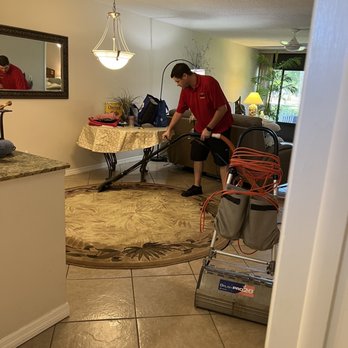
Property Maintenance Insights: Carpet Cleaning After Water Damage in Sunny Isles Beach
Sunny Isles Beach, a scenic coastal community in Miami-Dade County, is known for its high-rise condos, waterfront homes, and vibrant residential areas. While living close to the ocean and enjoying Florida’s tropical climate has its perks, it also presents challenges for property maintenance—particularly when it comes to water damage. Carpets are one of the most vulnerable elements in a home, absorbing water from leaks, storms, AC condensation, or flooding. Without proper attention, water-damaged carpets can deteriorate, promote mold growth, and compromise indoor air quality. For homeowners, landlords, and property managers, understanding the proper approach to carpet cleaning after water damage is essential. Tip Top Water and Fire Damage Restoration has extensive experience providing professional carpet cleaning, water removal, and moisture mitigation services for properties in Sunny Isles Beach, North Miami, North Miami Beach, Bal Harbour, Aventura, Miami Shores, Surfside, Biscayne Park, and nearby coastal neighborhoods.
Understanding Water Damage and Its Effect on Carpets
Water damage occurs when water infiltrates a property through plumbing leaks, roof or balcony breaches, stormwater, or AC condensation. Carpets, padding, and subfloors quickly absorb moisture, which can lead to:
- Material Degradation – Fibers weaken and staining may occur.
- Mold and Mildew Growth – Moisture trapped in padding or beneath carpets can become a breeding ground for microbial growth.
- Odors – Musty smells develop when carpets are not properly dried or sanitized.
- Structural Impact – Prolonged moisture exposure can damage subflooring and underlying materials.
Understanding these risks highlights why prompt and thorough carpet cleaning after water damage is critical.
Why Sunny Isles Beach Homes Are Particularly Vulnerable
Several environmental and property-specific factors contribute to water damage in carpets:
- High Humidity – Coastal air keeps materials damp longer, slowing the drying process.
- Storms and Heavy Rains – Intense seasonal storms can introduce water into homes, even in elevated condos.
- AC Condensation – Drip pans or drainage lines in poorly maintained air conditioning units may leak onto flooring.
- Flooding in Low-Lying Areas – Ground-level units and waterfront properties are particularly susceptible.
- Older Flooring Systems – Aging padding, adhesives, and carpet fibers may retain moisture more easily.
Property owners need to recognize these risks to maintain carpet integrity and indoor air quality.
Common Signs That Carpets Need Professional Attention
After water exposure, carpets may show subtle or obvious signs that professional intervention is necessary:
- Damp or wet spots that do not dry naturally
- Stains, discoloration, or warped fibers
- Persistent musty odors
- Visible mold or mildew on the carpet or padding
- Separation of carpet from baseboards or buckling
- Damage to underlying subflooring
Even if the surface appears dry, water may remain trapped in padding, seams, or subflooring, creating long-term issues.
Hidden Risks in Water-Damaged Carpets
Water damage can affect areas that are not immediately visible:
- Padding and Underlay – Absorbs water quickly and retains moisture longer than surface fibers.
- Seams and Edges – Water can migrate along seams, spreading damage beneath flooring.
- Subflooring – Moisture can seep into wood or concrete, leading to rot, warping, or staining.
- HVAC and Ventilation Interaction – Poor airflow can slow drying, increasing the risk of mold.
Professional carpet cleaning services use specialized equipment to address these hidden risks and prevent future problems.
Why DIY Carpet Cleaning Often Falls Short
Many homeowners attempt to clean water-damaged carpets themselves, but DIY approaches often fail for several reasons:
- Home vacuums and steam cleaners cannot remove deep moisture from padding or subflooring.
- Surface drying does not prevent mold growth beneath the carpet.
- Incomplete cleaning can leave odors or microbial contaminants.
- Improper drying may cause fibers to shrink, warp, or discolor.
Professional cleaning ensures thorough extraction, drying, and sanitation, preventing long-term damage.
Professional Carpet Cleaning After Water Damage
Tip Top Water and Fire Damage Restoration follows a comprehensive process for water-damaged carpets:
- Assessment and Inspection – Identify affected areas, water type (clean, gray, or black water), and extent of damage.
- Water Extraction – Use industrial-grade pumps and vacuums to remove water from carpet and padding.
- Drying and Dehumidification – Apply air movers and dehumidifiers to ensure deep drying of carpet fibers, padding, and subfloor.
- Cleaning and Sanitization – Apply professional-grade antimicrobial and deodorizing treatments to remove contaminants and odors.
- Inspection of Subflooring – Check for water penetration and address any structural or moisture concerns.
- Restoration or Replacement – Depending on damage severity, repair or replace carpet, padding, and affected subfloor materials.
This process protects the home, restores the carpet, and reduces the risk of mold or microbial growth.
Preventive Measures to Protect Carpets
Property owners can take several steps to reduce the impact of future water damage:
- Routine AC and HVAC Maintenance – Ensure proper drainage and check for leaks near units.
- Prompt Leak Repair – Address plumbing, roof, balcony, or window leaks immediately.
- Moisture Sensors – Install sensors under carpets or near known risk areas to detect early water intrusion.
- Proper Ventilation – Use fans, air movers, or dehumidifiers in areas prone to dampness.
- Flooring Inspection – Periodically examine seams, edges, and subflooring for signs of moisture.
- Professional Cleaning Schedule – Regular deep-cleaning with professional equipment maintains carpet integrity and hygiene.
These steps minimize water damage risks and prolong the lifespan of carpets in Sunny Isles Beach properties.
Real-World Observations from Sunny Isles Beach Properties
Experience in local homes highlights consistent findings:
- Waterfront and lower-level units are more vulnerable to water intrusion from storms or flooding.
- Carpets that receive prompt professional water removal and cleaning recover more effectively and maintain appearance and hygiene.
- Hidden moisture beneath padding or subflooring can create mold problems if not properly addressed.
- Homes with preventive measures, including routine inspections and AC maintenance, experience fewer long-term issues.
These observations emphasize the importance of timely professional intervention combined with proactive maintenance strategies.
Why Local Expertise Matters
Water-damaged carpet restoration in Sunny Isles Beach requires knowledge of local conditions:
- High humidity and coastal air affect drying time and mold risk.
- Salt-laden air can accelerate fiber degradation in carpets and padding.
- Condensation from AC systems is common in coastal high-rise condos.
- Older buildings may have more complex flooring systems requiring careful handling.
Local professionals like Tip Top Water and Fire Damage Restoration bring the expertise, tools, and knowledge to manage these challenges efficiently and safely.
Calm, Trust-Based Call to Action
Water-damaged carpets in Sunny Isles Beach can compromise structural integrity, indoor air quality, and property value if not addressed promptly. Professional carpet cleaning after water exposure ensures thorough extraction, deep drying, microbial mitigation, and restoration. Preventive measures, regular inspections, and proactive moisture management help homeowners, landlords, and property managers protect their properties and maintain safe, healthy living environments. Tip Top Water and Fire Damage Restoration provides trusted, local expertise to restore carpets and safeguard Sunny Isles Beach homes against water damage risks.