Indoor Air Quality Improvement in Sunny Isles Beach: Real-World Observations from Local Properties
Sunny Isles Beach, located along Florida’s northeastern coastline, is well-known for its luxury high-rises, waterfront residences, and tropical lifestyle. While residents enjoy beautiful views and a vibrant community, the area’s coastal climate introduces unique challenges to maintaining healthy indoor air quality. High humidity, seasonal storms, salt-laden air, and occasional flooding create conditions that allow moisture, dust, and microbial growth to accumulate indoors. These factors can impact comfort, indoor air quality, and long-term property health.
For homeowners, landlords, and property managers, understanding how indoor air quality is affected and implementing effective improvements is essential. Real-world observations from Sunny Isles Beach properties highlight the importance of professional inspections, moisture control, and preventive maintenance. Tip Top Water and Fire Damage Restoration provides expert indoor air quality assessments, mold inspections, moisture detection, and air duct cleaning services for Sunny Isles Beach homes, condos, and commercial properties, as well as nearby areas including North Miami, North Miami Beach, Bal Harbour, Aventura, Miami Shores, Surfside, and Biscayne Park.
What Indoor Air Quality Issues Are
Indoor air quality (IAQ) refers to the quality of the air inside homes, condos, and commercial buildings. Factors that can reduce IAQ include:
- Mold and Mildew Growth – Often from prolonged humidity, AC condensation, or leaks.
- Dust and Allergens – Accumulates in carpets, ductwork, and surfaces.
- Volatile Organic Compounds (VOCs) – Released from paints, finishes, and cleaning products.
- Excess Moisture – Leads to damp conditions, promoting microbial growth and odors.
- Poor Ventilation – Traps pollutants and reduces airflow.
Reduced indoor air quality can lead to musty odors, uncomfortable living conditions, and increased risk of allergies and respiratory irritation among occupants.
Why Sunny Isles Beach Homes Are Especially Vulnerable
Several environmental and structural factors in Sunny Isles Beach make IAQ improvements necessary:
- High Coastal Humidity – The tropical climate maintains elevated moisture levels year-round, promoting mold and dust accumulation.
- Salt-Laden Air – Salt exposure can accelerate corrosion in HVAC systems and increase particulate accumulation.
- Storms and Heavy Rainfall – Seasonal storms may introduce moisture through roofs, windows, or doors.
- AC System Overload – Frequent use during summer months can cause condensation and uneven airflow.
- High-Rise and Waterfront Buildings – Shared HVAC systems and complex layouts increase the risk of microbial contamination and reduced air quality.
These factors emphasize the importance of monitoring, testing, and improving indoor air quality.
Common Signs That Indoor Air Quality Needs Attention
Property owners should look for these indicators:
- Musty or stale odors inside living spaces
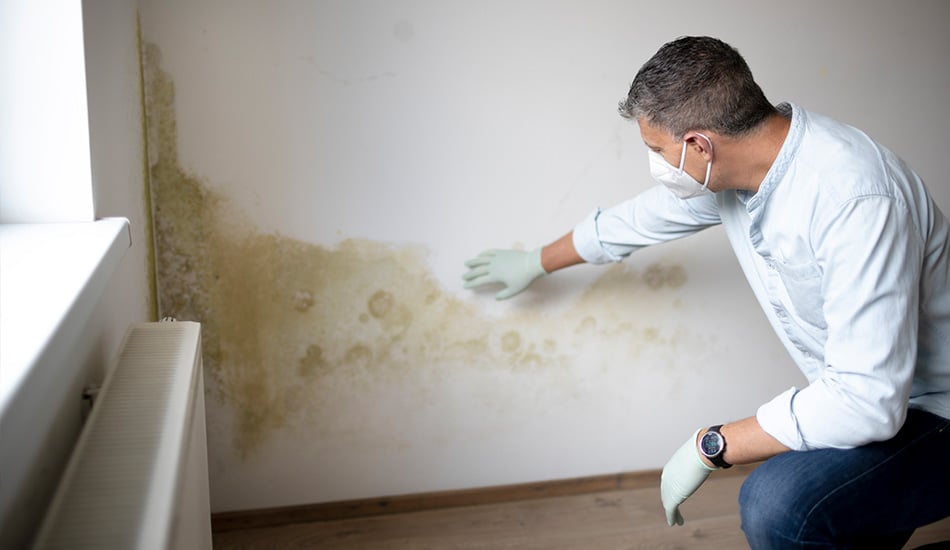
- Visible mold growth on walls, ceilings, or near vents
- Condensation or damp spots in attics, crawl spaces, or behind furniture
- Increased dust accumulation on surfaces
- Reduced airflow or uneven temperatures
- Allergic reactions or respiratory irritation among occupants
Even minor signs can indicate hidden issues that require professional assessment.
Hidden or Overlooked Sources of Poor Air Quality
Real-world observations reveal several overlooked sources of IAQ issues in Sunny Isles Beach properties:
- Air Ducts and HVAC Systems – Dust, debris, and microbial growth can accumulate inside ducts, circulating throughout the property.
- Attics and Crawl Spaces – Poor ventilation and hidden leaks allow moisture and mold to develop.
- Wall Cavities and Insulation – Moisture intrusion behind walls creates hidden microbial growth.
- Carpets and Flooring – Trapped moisture from spills, leaks, or condensation promotes mold growth.
- Windows and Doors – Improper seals can let in humid air, reducing overall air quality.
Professional inspections help identify these hidden problems before they become costly or health-related.
Why DIY Solutions Often Fall Short
Many property owners attempt to improve indoor air quality on their own, but DIY methods rarely address the full scope of the problem:
- Surface cleaning may remove dust but cannot eliminate hidden mold or microbial colonies.
- Humidifiers or dehumidifiers alone do not fix leaks or condensation problems.
- Inadequate duct cleaning leaves deep-seated dust and spores in HVAC systems.
- Lack of professional testing can result in misidentifying the source of contamination.
Professional assessments and interventions provide a more comprehensive and lasting solution.
Real-World Observations from Local Properties
Experience with Sunny Isles Beach properties highlights consistent findings:
- Prolonged humidity leads to moisture accumulation in ductwork, behind walls, and under flooring.
- High-rise condos often have shared duct systems that can spread microbial contaminants across units.
- Waterfront properties are more prone to persistent dampness, even in air-conditioned spaces.
- Early professional intervention reduces long-term costs and protects indoor air quality.
- Combining inspections, moisture management, and air duct cleaning offers the best results.
These insights emphasize that local environmental conditions directly influence indoor air quality, making ongoing monitoring essential.
Professional Indoor Air Quality Assessment
Tip Top Water and Fire Damage Restoration approaches IAQ improvement with a systematic methodology:
- Visual Inspection – Identify signs of moisture, dust, or microbial growth.
- Moisture Detection – Use thermal imaging, moisture meters, and infrared technology to locate hidden damp areas.
- Air Sampling – Collect air samples to determine levels of mold, dust, and other pollutants.
- Surface Sampling – Swab areas with suspected mold or microbial contamination.
- Comprehensive Reporting – Provide detailed results, recommendations, and a roadmap for remediation or improvement.
This approach ensures a thorough understanding of both visible and hidden air quality issues.
Indoor Air Quality Improvement and Remediation
Once issues are identified, professional remediation may include:
- Air Duct Cleaning – Remove dust, mold spores, and debris to improve airflow.
- HVAC System Maintenance – Ensure coils, drain pans, and condensate lines are clean and functioning properly.
- Moisture Mitigation – Repair leaks, improve ventilation, and dehumidify damp areas.
- Surface Cleaning and Sanitization – Apply antimicrobial treatments to mold-affected surfaces.
- Preventive Maintenance – Implement routine inspections, filter replacements, and humidity monitoring.
These steps not only address immediate problems but also prevent recurring indoor air quality issues.
Preventive Measures for Long-Term Air Quality
Property owners can take several steps to maintain healthy IAQ:
- Keep indoor humidity below 60% using dehumidifiers or HVAC systems
- Regularly inspect and maintain AC and ventilation systems
- Seal leaks around windows, doors, and roofs to prevent moisture intrusion
- Replace air filters according to recommended schedules
- Monitor attics, crawl spaces, and ductwork for signs of moisture or dust accumulation
- Schedule periodic professional IAQ inspections to detect hidden problems early
Consistent preventive measures ensure long-term comfort, safety, and efficiency.
Why Local Experience Matters
Improving indoor air quality in Sunny Isles Beach requires knowledge of local environmental and structural conditions:
- High humidity, salt-laden air, and tropical storms uniquely impact HVAC systems and ductwork.
- Older buildings and high-rise units have hidden spaces where moisture accumulates.
- Professional intervention ensures both immediate IAQ issues and long-term prevention strategies are addressed.
Local experts, like Tip Top Water and Fire Damage Restoration, combine coastal experience with specialized equipment to provide the most effective solutions.
Calm, Trust-Based Call to Action
Maintaining healthy indoor air quality in Sunny Isles Beach is essential for comfort, safety, and property longevity. Prolonged humidity, hidden moisture, and dust accumulation can compromise air quality if not addressed professionally. Expert assessments, duct cleaning, moisture management, and preventive maintenance work together to ensure homes and commercial properties remain safe, healthy, and efficient. Tip Top Water and Fire Damage Restoration offers trusted, local expertise to help property owners protect indoor air quality, prevent recurring issues, and maintain long-term comfort in Sunny Isles Beach properties.