How Coastal Weather Influences Mold Testing in North Miami
Living in North Miami means enjoying warm temperatures, ocean breezes, and beautiful coastal surroundings. But the same climate that makes the area attractive also creates conditions where moisture problems can develop inside homes. High humidity, frequent rainstorms, and long cooling seasons all contribute to situations where mold growth can occur, sometimes in areas homeowners never see.
Mold testing becomes an important step when indoor air quality changes, musty odors appear, or moisture problems persist. Understanding how coastal weather influences mold testing helps homeowners recognize why these inspections are often necessary in North Miami properties.
Understanding Mold Testing and Why It Matters
Mold testing is a process used to determine whether mold spores are present in indoor air or on surfaces at levels that indicate a problem. While small amounts of mold exist naturally in most environments, testing helps identify when conditions inside a home are allowing mold to grow or spread.
Testing is especially useful when:
- A musty smell is present but no mold is visible
- Water damage occurred in the past
- Indoor air feels heavy or humid
- Allergies seem worse indoors
- Visible staining appears on walls or ceilings
Because mold often develops behind walls, under flooring, or inside ductwork, testing helps locate issues that are not immediately obvious.
Why Coastal Weather Plays a Major Role
North Miami’s coastal climate is one of the biggest factors influencing mold growth and the need for testing. The area experiences high humidity for much of the year, and even well-maintained homes can accumulate moisture over time.
Several weather-related factors contribute:
- Outdoor humidity regularly exceeding comfortable indoor levels
- Frequent rainstorms and sudden downpours
- Hurricanes and tropical systems bringing wind-driven rain
- Warm temperatures that accelerate microbial growth
- Salt air that affects building materials and ventilation systems
When warm, humid air enters a home through small openings, condensation can form on cooler surfaces such as ductwork, walls, and ceilings. Over time, these damp areas become ideal environments for mold to develop.
Common Signs That Lead to Mold Testing
Many homeowners in North Miami first consider mold testing after noticing subtle changes inside their homes.
Common warning signs include:
- Persistent musty odors
- Dark spots near vents or baseboards
- Peeling paint or bubbling drywall
- Condensation on windows or air vents
- Increased indoor humidity levels
These signs do not always confirm mold growth, but they often indicate moisture conditions that make testing worthwhile.
Hidden Sources of Moisture in Coastal Homes
Coastal weather doesn’t always cause dramatic flooding. In many cases, small and gradual moisture sources are responsible for mold problems.
Hidden sources can include:
- Condensation inside air ducts
- Slow plumbing leaks behind walls
- Roof leaks after heavy storms
- Poor attic ventilation
- Damp insulation in crawl spaces
Because these issues develop slowly, homeowners may not notice them until air quality begins to change.
Why DIY Mold Checks Often Miss the Problem
Some homeowners try to check for mold themselves by looking for visible growth or using basic test kits. While these steps can sometimes detect surface mold, they rarely identify airborne spores or hidden growth inside structures.
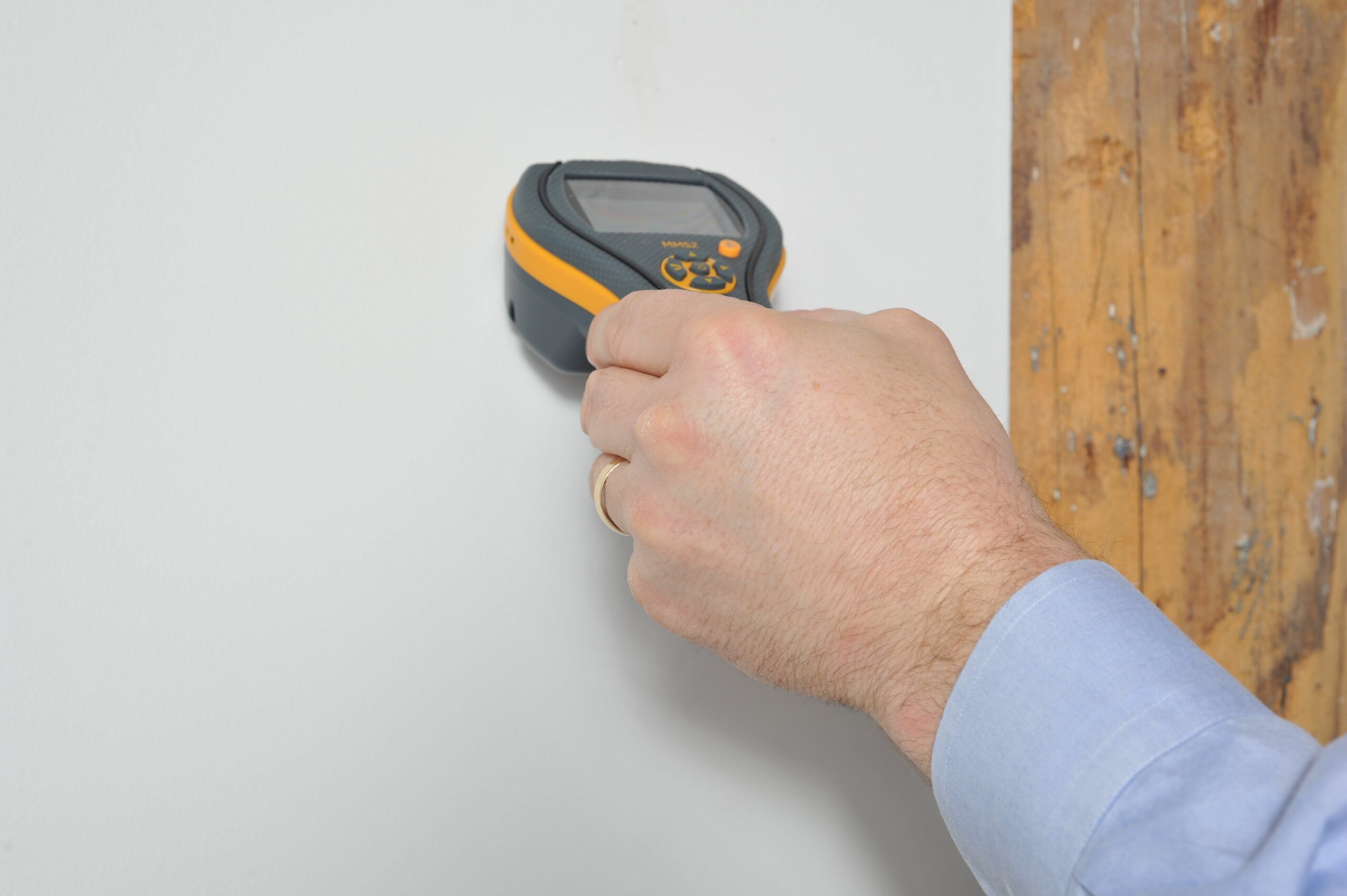
Mold testing performed by professionals typically involves controlled sampling methods and moisture detection equipment. These tools help determine not only whether mold is present, but also where moisture is allowing it to grow.
Without identifying the moisture source, cleaning alone rarely solves the problem.
The Mold Inspection and Testing Process
A thorough mold inspection in North Miami usually begins with a visual evaluation of areas most affected by humidity and moisture. Inspectors look for staining, condensation, and ventilation issues.
The testing process may include:
- Air sampling to measure airborne spores
- Surface sampling where staining is visible
- Moisture readings in walls and ceilings
- Inspection of HVAC systems and ductwork
These steps help identify both current mold conditions and the factors that allow growth to continue.
Local professionals familiar with coastal properties, including companies such as Tip Top Water and Fire Damage Restoration, often recognize patterns related to condensation and airflow that are common in North Miami homes.
The Role of HVAC Systems in Mold Growth
Air conditioning systems play a central role in indoor humidity control. When systems function properly, they remove moisture from the air and maintain comfortable indoor conditions. However, problems within HVAC systems can create environments where mold develops.
Common contributing issues include:
- Clogged condensate drain lines
- Dirty evaporator coils
- Poor airflow through ducts
- Moisture accumulation in air handlers
Because air moves throughout the entire home, mold inside duct systems can affect multiple rooms at once.
How Storms and Seasonal Weather Affect Homes
Storm season in South Florida can increase the risk of moisture problems even in homes that do not experience flooding. Wind-driven rain can enter through small roof gaps, window seals, or exterior vents.
After storms, humidity levels indoors often remain elevated for days. If ventilation is limited, moisture may remain trapped in building materials, increasing the likelihood of mold growth.
This is one reason mold testing is often recommended after water intrusion, even when damage appears minor.
Preventing Mold Problems in Coastal Homes
While mold testing helps identify issues, prevention is the most effective long-term strategy.
Homeowners in North Miami can reduce risks by:
- Maintaining HVAC systems regularly
- Cleaning and inspecting ductwork periodically
- Repairing roof or plumbing leaks quickly
- Using exhaust fans to remove moisture
- Monitoring indoor humidity levels
- Ensuring attics and crawl spaces are ventilated
Keeping humidity under control is one of the most important steps in preventing mold growth.
Why Local Experience Makes a Difference
Homes in North Miami face environmental conditions that are different from inland regions. Coastal humidity, salt air, and long cooling seasons create unique challenges that require specific inspection methods and maintenance strategies.
Professionals who work regularly in North Miami understand where moisture problems are most likely to occur and how to identify them early. This experience allows testing and inspections to be more accurate and efficient.
A Practical Approach to Mold Testing in North Miami
Mold testing is not something homeowners need to fear or avoid. It is simply a diagnostic step that helps identify whether indoor conditions are supporting mold growth. When testing is combined with proper moisture control and maintenance, most problems can be resolved before significant damage occurs.
In a coastal environment, staying attentive to humidity levels, maintaining ventilation systems, and responding quickly to leaks are the most effective ways to protect indoor air quality. Mold testing provides clarity when conditions are uncertain and helps homeowners make informed decisions about maintaining a healthy and comfortable living space.