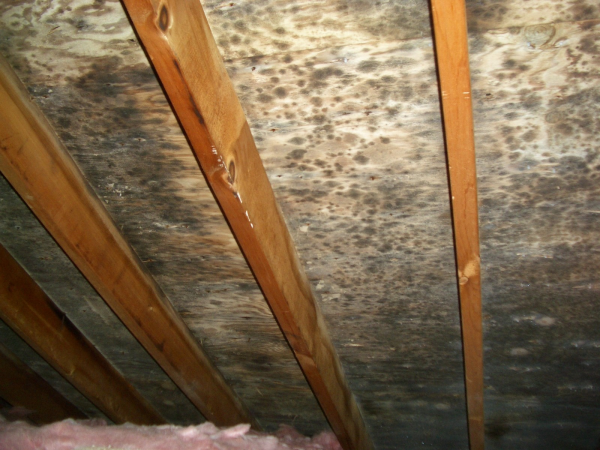
Mold Inspection in Sunny Isles Beach: How Professionals Approach the Issue
Sunny Isles Beach is known for ocean views, high-rise living, and a warm coastal climate. While the environment is appealing, it also creates conditions where moisture can accumulate inside homes and buildings. Over time, excess humidity, condensation, and minor water intrusion can create the ideal environment for mold to develop.
Mold inspection is one of the most effective ways to identify hidden moisture problems before they lead to structural damage or indoor air quality concerns. Understanding how professionals approach mold inspections helps homeowners and property managers know what to expect and why the process matters.
Understanding What Mold Inspection Involves
A mold inspection is a detailed evaluation of a property to identify signs of moisture, mold growth, or conditions that may allow mold to develop. The goal is not only to detect visible mold but also to locate hidden areas where moisture may be trapped.
Professional inspections typically focus on:
- Areas with previous water intrusion
- Spaces with poor ventilation
- HVAC systems and ductwork
- Walls and ceilings near plumbing
- Attics, crawl spaces, and storage areas
In coastal communities like Sunny Isles Beach, inspections often reveal moisture issues related to humidity rather than major flooding.
Why Mold Issues Are Common in Sunny Isles Beach
Coastal weather plays a major role in mold development. Warm air holds more moisture, and near the ocean, humidity levels remain high for much of the year. Even homes that appear dry on the surface may have hidden moisture in walls, ducts, or insulation.
Several local conditions contribute:
- Constant air conditioning use creating condensation
- Salt air affecting ventilation and equipment
- Sudden rainstorms and seasonal hurricanes
- High humidity entering through small air gaps
- Buildings exposed to ocean air and wind-driven rain
Because these factors are ongoing, mold inspections are often part of routine property maintenance rather than a one-time event.
Early Signs That Lead to Mold Inspections
Homeowners often request mold inspections after noticing small but persistent changes inside their homes. These signs may seem minor at first but can indicate underlying moisture problems.
Common warning signs include:
- A musty or damp odor
- Discoloration on ceilings or walls
- Condensation near air vents
- Increased humidity indoors
- Peeling paint or warped materials
These indicators don’t always mean extensive mold growth is present, but they suggest conditions that should be evaluated.
Hidden Sources Professionals Look For
One of the most important parts of a mold inspection is identifying moisture sources that are not immediately visible. Professionals know that mold often grows in concealed areas.
Common hidden sources include:
- Condensation inside ductwork
- Slow plumbing leaks behind walls
- Roof leaks that allow moisture into insulation
- Damp areas beneath flooring
- Poorly ventilated attic spaces
By locating the source of moisture, inspectors can help prevent recurring mold problems rather than just addressing surface growth.
Why DIY Mold Checks Often Miss the Real Issue
Homeowners sometimes try to inspect for mold themselves by looking for visible growth or using simple test kits. While these methods can detect surface mold in some cases, they rarely reveal the full picture.
Professional inspections involve tools that detect moisture inside materials, not just on the surface. Without identifying the moisture source, mold may return even after cleaning.
This is why inspections focus on both detection and prevention.
How Professionals Perform a Mold Inspection
A professional mold inspection usually follows a structured approach designed to identify both current growth and conditions that could lead to future problems.
The process typically includes:
- A visual examination of areas prone to moisture
- Checking humidity levels and ventilation
- Using moisture meters to detect hidden dampness
- Inspecting HVAC systems and ducts
- Evaluating areas affected by past leaks or water damage
In Sunny Isles Beach, experienced local specialists, including teams like Tip Top Water and Fire Damage Restoration, often find that condensation and airflow issues are major contributors to mold conditions.
The Role of Air Sampling and Surface Testing
When necessary, mold testing may be performed to measure airborne spores or identify specific growth on surfaces. Air sampling helps determine whether mold levels indoors are elevated compared to normal outdoor conditions.
Surface testing may also be used when visible staining is present. These tests help confirm whether mold is active and whether remediation may be required.
Testing provides valuable information that helps guide the next steps in maintenance or repair.
HVAC Systems and Mold Risk
Air conditioning systems play a major role in mold conditions in coastal homes. AC units remove moisture from the air, but when drain lines clog or coils remain damp, moisture can accumulate inside the system.
Professionals often inspect:
- Air handlers and drain pans
- Evaporator coils
- Duct insulation
- Vent connections
Because air circulates through the entire home, mold inside ductwork can affect multiple rooms.
What Happens After Mold Is Found
If mold is discovered, the next step is identifying the cause and determining the appropriate remediation approach. Mold removal typically focuses on eliminating both the growth and the moisture source that allowed it to develop.
Proper remediation may include:
- Isolating affected areas
- Removing contaminated materials when necessary
- Drying structural components
- Improving ventilation and airflow
- Cleaning duct systems if needed
Addressing moisture is the key step that prevents mold from returning.
Preventing Mold in Coastal Homes
Prevention is often simpler than remediation. Homeowners in Sunny Isles Beach can reduce mold risks by maintaining good ventilation and controlling humidity.
Practical prevention steps include:
- Scheduling regular HVAC maintenance
- Cleaning and inspecting air ducts periodically
- Repairing leaks promptly
- Keeping humidity levels under control
- Using exhaust fans in kitchens and bathrooms
- Ensuring attics and crawl spaces have airflow
These steps help maintain stable indoor conditions and reduce the likelihood of mold development.
Why Local Experience Matters in Mold Inspection
Homes in coastal South Florida face environmental conditions that differ significantly from inland areas. High humidity, salt air, and constant cooling cycles require specialized inspection techniques and local knowledge.
Professionals who work regularly in Sunny Isles Beach understand where moisture problems are most likely to occur and how to identify them early. This experience allows inspections to be more accurate and effective.
A Practical Approach to Protecting Your Property
Mold inspections are not only for situations where mold is already visible. They are also a preventive measure that helps homeowners understand how moisture behaves in their homes. Early detection allows small issues to be corrected before they become expensive repairs.
In a coastal community like Sunny Isles Beach, routine inspections, proper ventilation, and timely maintenance are the most reliable ways to maintain a healthy indoor environment and protect the long-term condition of a property.