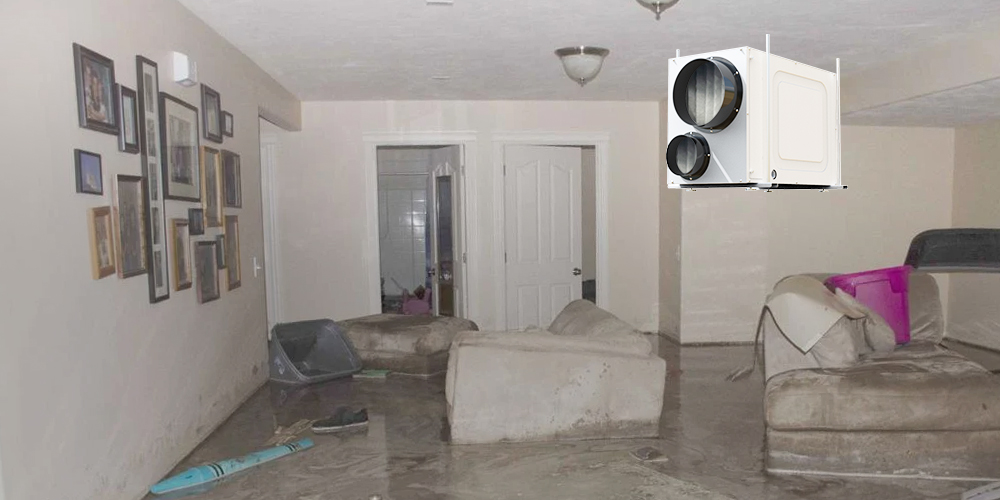
Long-Term Protection Tips Related to Flood Restoration in Aventura
Flooding is one of the most disruptive events a property owner can face. In Aventura, heavy rain, tropical storms, and plumbing failures can all lead to water entering homes and buildings. Even when water is removed quickly, the effects of flooding can linger if materials are not dried properly or if preventive steps are not taken afterward.
Long-term protection after flood restoration is just as important as the initial cleanup. Understanding how to maintain a property after water damage helps prevent structural problems, mold growth, and recurring moisture issues.
Understanding Flood Damage in Coastal Communities
Flood damage is not limited to visible standing water. Moisture can remain trapped in walls, flooring, insulation, and structural materials long after surfaces appear dry. In coastal environments like Aventura, high humidity can slow drying and allow moisture to remain in hidden areas.
Flood-related damage often includes:
- Water absorption in drywall and wood
- Damp insulation and subflooring
- Residual moisture in ducts
- Warping of flooring or baseboards
- Elevated indoor humidity levels
Because these problems may not be immediately visible, thorough drying and monitoring are essential.
Why Flood Restoration Is Especially Important in Aventura
Aventura’s location near the coast means properties are exposed to environmental conditions that can complicate flood recovery. Warm temperatures and humidity create an environment where moisture can persist longer than expected.
Several local factors increase long-term risks:
- Frequent summer storms and heavy rainfall
- High outdoor humidity entering the home
- Air conditioning systems working continuously
- Salt air affecting building materials and ventilation systems
These conditions make careful restoration and follow-up maintenance critical for long-term protection.
Common Problems That Appear After Flood Restoration
Even after water removal, some issues may develop gradually if moisture remains trapped.
Property owners sometimes notice:
- Musty odors weeks after flooding
- Warped flooring or trim
- Condensation forming in certain rooms
- Increased humidity indoors
- Discoloration on walls or ceilings
These signs often indicate that moisture remains in structural materials or that ventilation needs improvement.
Hidden Areas Where Moisture Can Remain
One of the biggest challenges after flooding is identifying areas where water has soaked into materials that are not easy to see.
Professionals often check:
- Behind drywall and baseboards
- Under flooring and carpeting
- Inside air ducts and HVAC systems
- Attics where humid air collects
- Closets or storage spaces with limited airflow
Moisture trapped in these areas can lead to long-term damage if not addressed.
Why Quick Drying Is Critical
Drying is one of the most important steps in flood restoration. Removing standing water is only the beginning. Structural materials must also be dried to safe moisture levels to prevent mold growth and deterioration.
Drying typically involves:
- Air movement using fans
- Dehumidification to remove moisture from the air
- Monitoring moisture levels in walls and flooring
In Aventura’s humid climate, drying may take longer than homeowners expect, which is why monitoring is so important.
Long-Term Protection Tip: Maintain Proper Ventilation
Ventilation plays a key role in preventing moisture buildup after flood restoration. Areas that do not receive adequate airflow can remain damp even when the rest of the home appears dry.
Improving ventilation may involve:
- Keeping air vents clear
- Using exhaust fans in bathrooms and kitchens
- Ensuring attic spaces are ventilated
- Allowing airflow in closets and storage areas
Good ventilation helps stabilize humidity levels and prevents trapped moisture.
Long-Term Protection Tip: Inspect HVAC Systems
HVAC systems often circulate moisture and airborne particles throughout a property. After flooding, ducts and air handlers should be inspected to ensure they are dry and clean.
Issues that may occur include:
- Moisture inside duct insulation
- Debris entering vents during flooding
- Condensation in air handlers
Local specialists, including teams such as Tip Top Water and Fire Damage Restoration, frequently find that HVAC inspections are an important step in preventing long-term indoor air quality problems after flooding.
Long-Term Protection Tip: Monitor Indoor Humidity
Humidity control is essential in coastal environments. Even after restoration, indoor humidity should be monitored to ensure it remains at a stable level.
Property owners can help by:
- Using a hygrometer to monitor humidity
- Running dehumidifiers when necessary
- Maintaining air conditioning systems
- Avoiding prolonged indoor moisture sources
Keeping humidity under control prevents conditions where mold can develop.
Long-Term Protection Tip: Address Small Leaks Immediately
After a flood event, buildings may be more vulnerable to moisture problems. Small leaks that might have been harmless before can now cause significant damage.
Check regularly for:
- Dripping plumbing connections
- Roof leaks after storms
- Window or door seal problems
- Condensation around vents
Addressing small issues quickly prevents larger repairs later.
Long-Term Protection Tip: Inspect Materials Periodically
Flood-damaged materials may continue to change as they dry. Wood can shrink, drywall can crack, and flooring may shift.
Periodic inspections help identify:
- Warping or swelling
- Soft or discolored drywall
- Persistent odors
- Changes in flooring
Early detection allows repairs to be completed before structural problems worsen.
Mold Prevention After Flooding
One of the most common long-term risks after flooding is mold growth. Mold thrives in damp environments, and even small pockets of moisture can allow growth to begin.
Preventive steps include:
- Ensuring materials are fully dried
- Keeping humidity levels controlled
- Improving ventilation
- Scheduling moisture inspections if needed
Preventing mold is far easier and less disruptive than removing it later.
Why Local Experience Matters in Flood Restoration
Flood restoration in coastal areas requires an understanding of humidity, construction methods, and airflow patterns. Homes in Aventura and nearby areas like Sunny Isles Beach and North Miami Beach often share similar challenges, especially related to ventilation and moisture retention.
Professionals who work regularly in these communities are familiar with how water behaves in local building materials and how coastal conditions affect drying times.
A Practical Approach to Long-Term Protection
Flood restoration does not end when water is removed. Long-term protection involves maintaining proper airflow, monitoring humidity, and inspecting materials regularly. Small preventive steps make a significant difference in protecting a property from recurring damage.
For property owners in Aventura, consistent maintenance is the key to preventing long-term problems. By staying attentive to ventilation, HVAC performance, and moisture control, homeowners can keep their properties dry, comfortable, and structurally sound long after restoration is complete.