
Mold Inspection in Bal Harbour: What to Expect During Inspection and Repair
Bal Harbour homes and condos are built to withstand coastal exposure, but even well-constructed properties are not immune to moisture problems. Between ocean air, wind-driven rain, heavy seasonal storms, and constant air conditioning use, mold concerns are common in this part of South Florida.
If you’re scheduling a mold inspection in Bal Harbour, it helps to understand what actually happens during the process — and what to expect if repair or remediation becomes necessary. Mold inspection isn’t guesswork. It’s a structured evaluation designed to locate moisture sources, assess contamination levels, and determine whether corrective action is needed.
Here’s how the process typically works in coastal properties like those found in Bal Harbour and nearby Surfside, Sunny Isles Beach, and North Miami Beach.
Why Mold Inspection Is So Important in Bal Harbour
Bal Harbour sits directly along the Atlantic, where humidity remains elevated most of the year. Waterfront exposure increases moisture pressure on structures, especially in:
- Ocean-facing condos
- Ground-level units
- Homes with flat roofs
- Properties with extensive glass and sliding doors
- Older homes with aging plumbing systems
Even without visible water damage, indoor humidity alone can create conditions where mold develops inside wall cavities or duct systems.
A professional mold inspection provides clarity. It answers whether mold is present, where moisture originates, and whether remediation is necessary.
When Homeowners Typically Schedule an Inspection
In Bal Harbour, mold inspections are often requested after:
- A roof leak during storm season
- Plumbing failures inside walls
- AC condensation issues
- Persistent musty odors
- Visible dark staining on drywall
- Purchasing or selling a property
Many high-rise condo buyers in Bal Harbour request mold inspection as part of pre-purchase evaluations.
Early inspection prevents larger structural damage later.
What Happens During a Mold Inspection
A professional mold inspection follows a systematic process. It is not simply a quick visual walk-through.
1. Initial Consultation and History Review
The inspector begins by asking about:
- Recent water damage
- Previous mold remediation
- HVAC performance issues
- Odors or humidity concerns
- Storm exposure history
In coastal communities like Bal Harbour and Aventura, weather patterns play a major role in moisture behavior.
Understanding past events helps narrow down likely sources.
2. Comprehensive Visual Inspection
Next comes a detailed room-by-room assessment.
Inspectors check:
- Ceiling corners
- Baseboards
- Window perimeters
- Closet interiors
- Under sinks
- Around air vents
- Attic spaces
- Mechanical rooms
Even subtle discoloration or texture changes can indicate hidden moisture.
3. Moisture Detection and Mapping
Moisture detection tools are critical in Bal Harbour properties.
Inspectors use:
- Surface moisture meters
- Subsurface probes
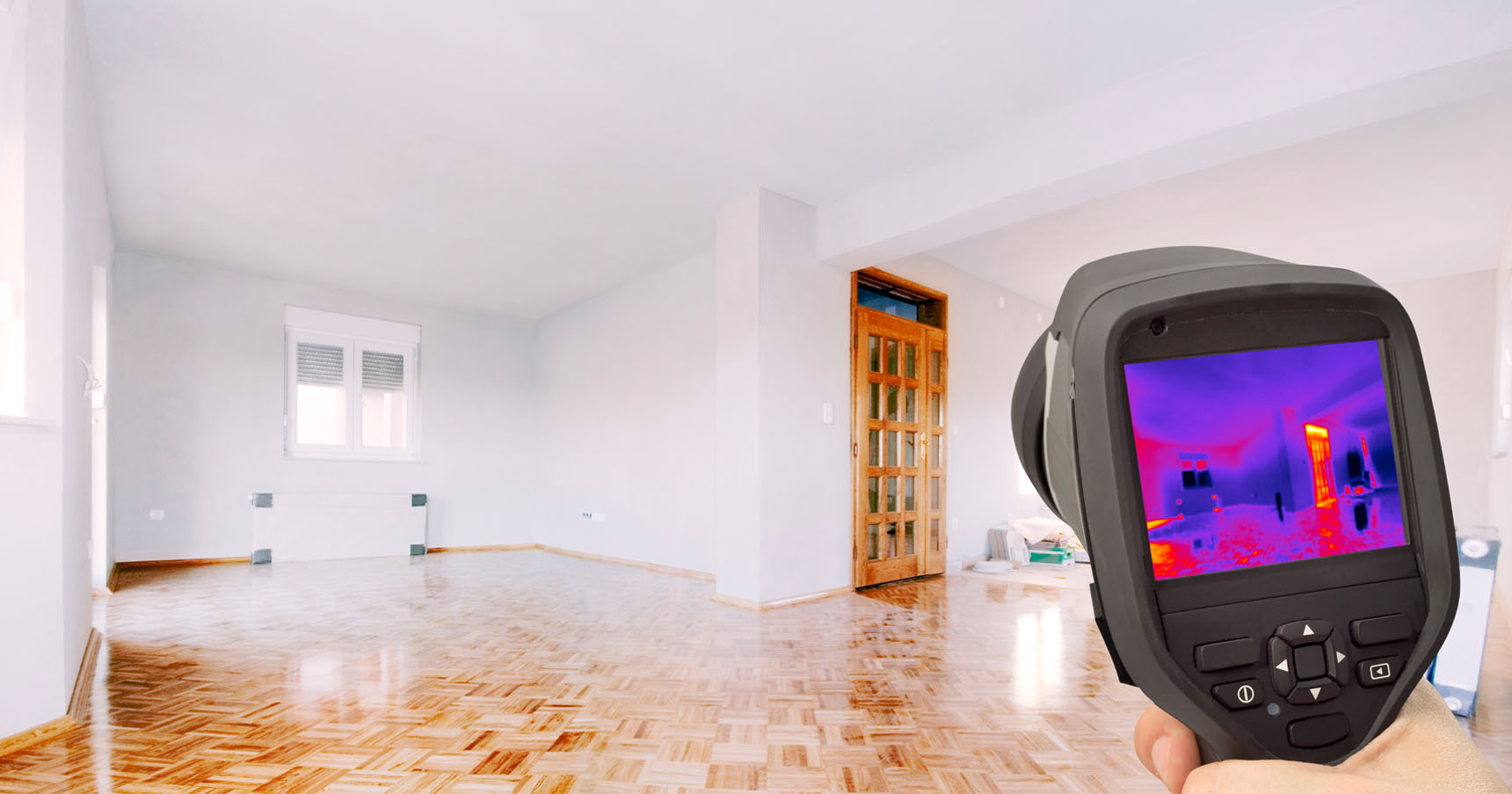
- Thermal imaging cameras
- Hygrometers to measure humidity levels
Thermal imaging detects temperature differences that indicate damp areas behind walls.
Moisture mapping allows inspectors to see how far water has traveled beyond visible staining.
In coastal homes, slow leaks and condensation often spread horizontally before becoming visible.
4. HVAC and Duct System Evaluation
Because air conditioning runs almost constantly in Bal Harbour, inspectors evaluate:
- Air handler compartments
- Condensate drain lines
- Duct insulation
- Vent openings
Mold growth inside ducts can affect indoor air quality throughout the unit.
If moisture is detected inside ductwork, air duct cleaning may be recommended.
5. Air and Surface Sampling (If Necessary)
Not every inspection requires sampling, but in cases where:
- Odors persist
- Health concerns are reported
- Mold is suspected but not visible
Air samples may be collected.
Indoor air samples are compared to outdoor baseline readings. Elevated indoor spore levels indicate active mold growth.
Surface samples may be taken from visible colonies to identify mold type.
Lab analysis provides objective data to guide next steps.
What Happens If Mold Is Found
If inspection confirms active mold growth, remediation is recommended.
Mold removal is not a cosmetic cleaning process. It involves structured containment and moisture correction.
Here’s what property owners can expect.
Containment Setup
Plastic barriers isolate the affected area. Negative air machines prevent spores from spreading into other rooms.
This step is especially important in condos where neighboring units share walls.
Removal of Contaminated Materials
Drywall, insulation, carpet padding, or baseboards may need removal if saturated.
Porous materials cannot be fully cleaned once colonized.
HEPA Air Filtration
Air scrubbers capture airborne spores during remediation.
Structural Cleaning
Exposed framing and surfaces are cleaned using specialized antimicrobial treatments.
Structural Drying
Industrial dehumidifiers and air movers ensure moisture levels return to safe ranges.
Skipping proper drying is one of the main reasons mold returns.
In humid areas like Bal Harbour and Sunny Isles Beach, drying verification is essential before rebuilding.
Repair and Reconstruction
Once remediation and drying are complete, repair begins.
This may include:
- Replacing drywall
- Installing new insulation
- Repainting
- Repairing baseboards
- Reinstalling cabinetry
Reconstruction only proceeds after moisture levels are verified as stable.
This prevents recurring issues.
The Role of Moisture Correction
Mold inspection and repair always return to one key factor: moisture control.
If the underlying cause isn’t corrected, mold will return.
Common moisture corrections in Bal Harbour include:
- Sealing window frames
- Repairing roof flashing
- Replacing damaged HVAC components
- Clearing AC drain lines
- Improving attic ventilation
- Addressing slab moisture
In nearby North Miami and Biscayne Park, similar moisture-driven patterns are common in older homes.
Correcting the source is more important than surface cleaning.
How Long the Process Typically Takes
The timeline depends on severity.
- Inspection: typically a few hours
- Lab results (if sampling is done): 2–3 business days
- Remediation: 1–5 days depending on scope
- Drying: several additional days
- Reconstruction: varies by materials involved
Every property is different.
Coastal humidity can slightly extend drying timelines compared to inland homes.
Preventing Future Mold Problems
After inspection and repair, prevention becomes the focus.
Property owners in Bal Harbour can reduce future risk by:
- Maintaining indoor humidity between 45–55%
- Scheduling regular HVAC maintenance
- Inspecting roofs before hurricane season
- Monitoring for minor leaks
- Installing humidity sensors
- Keeping closets ventilated
Vacation condos should maintain climate control even when unoccupied.
Small preventative steps avoid major remediation later.
Why Local Experience Matters
Mold inspection in Bal Harbour requires understanding coastal construction patterns.
Ocean exposure, salt air corrosion, flat roofs, slab foundations, and constant humidity create unique moisture behaviors.
A local professional understands:
- Where wind-driven rain typically enters
- How slab moisture migrates
- Which HVAC systems underperform in humid climates
- How storm seasons affect roof systems
Tip Top Water and Fire Damage Restoration has conducted mold inspections and remediation throughout Bal Harbour, Surfside, North Miami Beach, and Aventura, addressing the specific environmental challenges of coastal South Florida.
Local expertise leads to faster diagnosis and long-term solutions.
A Practical Perspective on Mold Inspection
Scheduling a mold inspection in Bal Harbour isn’t about alarm. It’s about awareness.
Moisture in coastal environments is constant. When managed properly, it doesn’t lead to mold growth.
A thorough inspection identifies:
- Whether mold is present
- Where moisture originates
- How far contamination has spread
- What corrective steps are necessary
With proper containment, remediation, and moisture correction, homes and condos in Bal Harbour can remain stable and comfortable year-round.
In coastal Florida, understanding what to expect during inspection and repair helps property owners protect both their investment and their indoor environment.