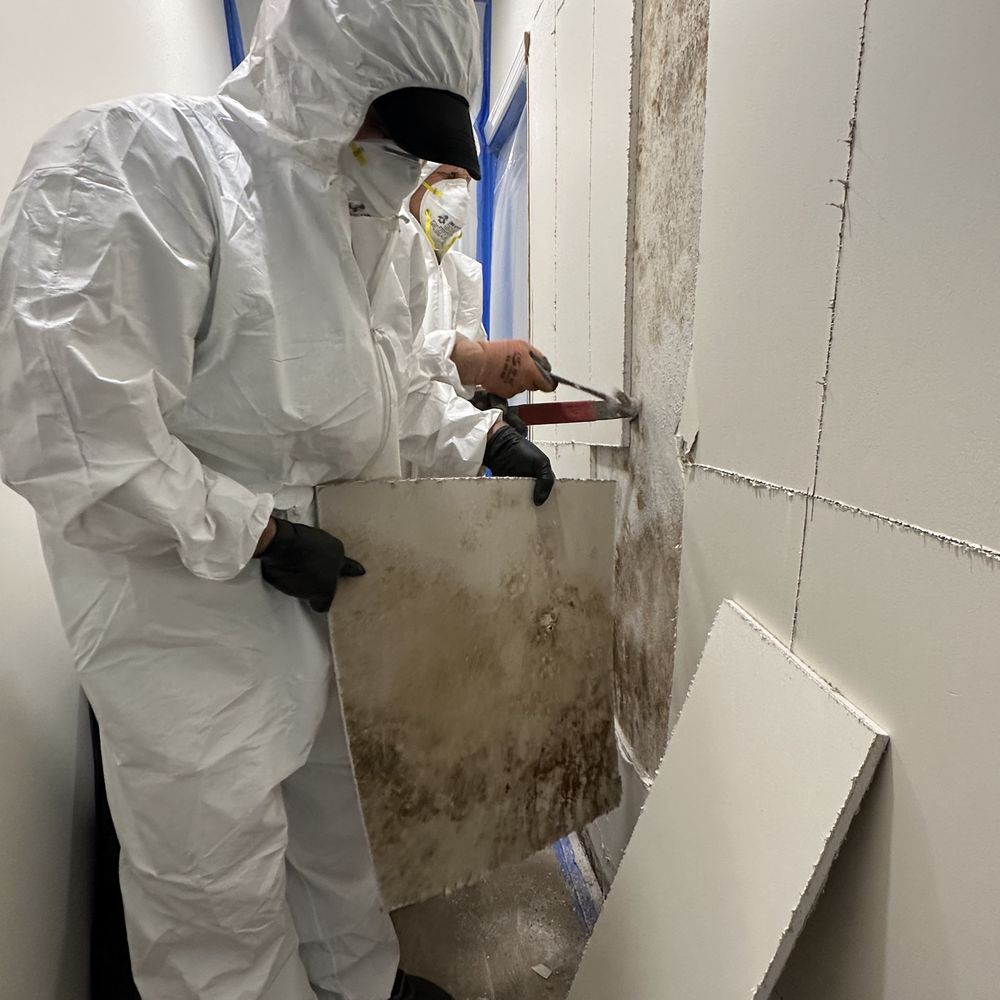
Explaining the Process of Mold Removal in Bal Harbour
Bal Harbour is one of the most desirable communities in northern Miami-Dade County, renowned for its luxury residences, high-rise condos, and coastal properties. While these homes are beautiful and architecturally distinctive, they face particular environmental challenges due to Florida’s tropical climate. High humidity, seasonal storms, and salt-laden coastal air make properties in Bal Harbour prone to moisture accumulation, which can lead to mold growth. Mold not only damages property materials but can also affect indoor air quality if left untreated. Understanding the proper mold removal process is crucial for homeowners, landlords, and property managers to maintain healthy living spaces and protect their investments.
Tip Top Water and Fire Damage Restoration specializes in mold removal, mold remediation, and water damage restoration in Bal Harbour. They also serve nearby communities including North Miami, North Miami Beach, Sunny Isles Beach, Aventura, Miami Shores, Surfside, and Biscayne Park. With extensive experience in coastal properties, the company understands how local weather and structural conditions influence mold growth and the restoration process.
What Mold Is and How It Develops
Mold is a type of fungus that grows in damp environments and feeds on organic materials like wood, drywall, carpet, and insulation. Mold spores are naturally present in the air, but when moisture accumulates in a home, these spores can settle, multiply, and form visible colonies. Common triggers include:
- Leaks from roofs, plumbing, or windows
- AC condensation or malfunctioning drainage
- Flooding or storm water intrusion
- Poor ventilation in bathrooms, kitchens, and attics
- High ambient humidity, especially in coastal homes
In Bal Harbour, these conditions are compounded by coastal air moisture and salt exposure, which accelerates material degradation and encourages mold growth in hidden spaces.
Why Mold Removal Is Necessary
Mold can spread quickly if left untreated. Professional removal is necessary to:
- Prevent Structural Damage – Mold consumes organic building materials, weakening wood, drywall, and other surfaces.
- Maintain Indoor Air Quality – Mold spores can cause musty odors and respiratory discomfort for occupants.
- Avoid Secondary Issues – Moisture trapped in walls or subfloors can lead to carpet damage, wood rot, and additional microbial growth.
- Preserve Property Value – Visible mold or lingering odors can impact home appraisal or resale value.
Even small areas of mold should be addressed promptly, particularly in older homes or high-value coastal properties.
Common Signs of Mold in Bal Harbour Homes
Homeowners and property managers should look for early indicators of mold growth:
- Musty or earthy odors, especially in corners or closets
- Discoloration or staining on walls, ceilings, or baseboards
- Visible patches of black, green, or white mold
- Peeling paint or wallpaper in damp areas
- Warped or soft flooring near leaks or AC units
- Condensation buildup on windows, walls, or ductwork
Identifying these signs early allows for more efficient and less costly remediation.
Hidden Sources of Mold
Mold often grows in areas that are not immediately visible:
- Attics and Crawl Spaces – Poor ventilation and roof leaks provide ideal conditions.
- Behind Walls and Baseboards – Plumbing leaks and condensation create hidden moisture pockets.
- HVAC Systems and Ducts – Moisture in ductwork allows spores to circulate throughout the home.
- Carpet Padding and Subfloor – Water intrusion from flooding or leaks can saturate padding, promoting mold growth.
- Under Appliances or Cabinets – Slow leaks from sinks, dishwashers, or refrigerators often go unnoticed.
Professional mold removal addresses these hidden sources to prevent recurrence.
Why DIY Mold Removal Often Fails
Many homeowners attempt to remove mold themselves using bleach, detergents, or home remedies. While these methods may clean visible patches, they often fail to:
- Remove mold from porous materials like drywall, wood, or insulation
- Treat hidden mold inside walls, ducts, or subfloor
- Prevent spore dispersal into the air, which can spread contamination
- Address the underlying moisture source that allows mold to return
Professional removal ensures comprehensive cleaning, containment, and long-term prevention.
Professional Mold Removal Process
Tip Top Water and Fire Damage Restoration follows a structured process to remove mold safely and effectively:
- Inspection and Assessment – Identify visible and hidden mold, measure moisture levels, and determine affected areas.
- Containment – Isolate affected zones using barriers and negative air pressure to prevent spore spread.
- Air Filtration – Deploy HEPA air scrubbers to capture airborne spores during the remediation process.
- Removal of Contaminated Materials – Remove porous materials like drywall, carpet padding, or insulation that cannot be salvaged.
- Cleaning and Disinfection – Treat surfaces with antimicrobial solutions to kill remaining mold spores.
- Drying and Moisture Control – Use industrial fans, dehumidifiers, and moisture meters to ensure complete drying of affected areas.
- Post-Remediation Verification – Re-inspect the property to confirm that mold levels have returned to safe conditions and ensure no moisture remains.
This comprehensive approach prevents mold recurrence and protects both property and occupants.
Flood and Water Damage Considerations
Many mold problems in Bal Harbour stem from water intrusion. Restoration often involves:
- Water Extraction – Removing standing water from flooding or leaks
- Floor and Carpet Treatment – Cleaning and drying carpets, padding, and subfloors
- Structural Drying – Ensuring walls, ceilings, and baseboards are fully dried to prevent mold regrowth
- HVAC System Maintenance – Cleaning ducts and checking for moisture accumulation
Addressing water damage promptly is critical to effective mold removal and long-term prevention.
Preventing Mold in Bal Harbour Homes
Preventive measures help property owners reduce mold risk:
- Inspect roofs, plumbing, and AC systems regularly
- Repair leaks immediately, even small ones
- Use dehumidifiers to maintain indoor humidity below 50%
- Ensure proper ventilation in bathrooms, kitchens, and attics
- Elevate furniture and appliances to allow air circulation
- Schedule periodic professional mold inspections, especially after storms or flooding
These steps, combined with professional removal when necessary, help keep homes safe and dry.
Real-World Observations from Bal Harbour Properties
Local experience highlights several key patterns:
- Coastal humidity accelerates mold growth on walls, ceilings, and carpets
- High-rise condos and older homes are more prone to hidden mold in ductwork or behind walls
- Prompt professional intervention significantly reduces property damage and odor issues
- Combining mold removal with moisture detection, AC maintenance, and ventilation improvements produces the best long-term results
These insights emphasize the importance of local expertise in managing mold problems.
Why Local Expertise Matters
Mold removal in Bal Harbour requires knowledge of:
- Coastal climate, humidity, and storm patterns
- Common structural vulnerabilities in older and high-rise homes
- Specialized tools for moisture detection, air filtration, and surface remediation
- Techniques for treating hidden mold without spreading spores
Local professionals like Tip Top Water and Fire Damage Restoration provide the experience, equipment, and knowledge to restore properties safely and efficiently.
Calm, Trust-Based Call to Action
Mold growth in Bal Harbour homes can compromise property materials, indoor air quality, and long-term structural integrity. Professional mold removal ensures thorough cleaning of visible and hidden mold, moisture mitigation, and odor control. Combined with preventive maintenance such as plumbing inspections, AC servicing, and ventilation improvements, mold removal protects property value, occupant health, and long-term comfort. Tip Top Water and Fire Damage Restoration offers trusted local expertise to help homeowners, landlords, and property managers manage mold issues effectively and prevent future problems.