
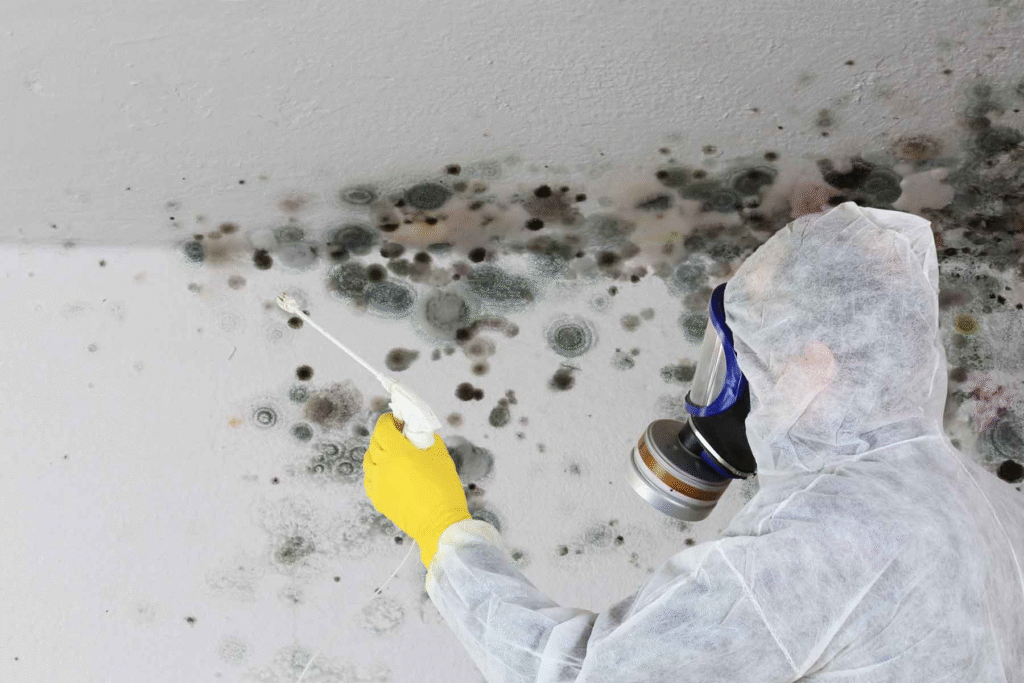
Property Maintenance Insights: Black Mold Removal in North Miami Beach
North Miami Beach offers residents the advantages of coastal living, convenient access to waterways, and vibrant residential neighborhoods. However, the same warm, humid climate that makes South Florida attractive also creates conditions where black mold can become a recurring maintenance issue in homes and condominiums. For property owners, understanding how black mold develops—and how proper removal protects both buildings and indoor environments—is an essential part of responsible home maintenance.
Black mold problems rarely begin suddenly. Instead, they develop slowly in damp areas following leaks, humidity buildup, or unnoticed moisture intrusion. Knowing how removal works and what preventive measures help reduce risks allows North Miami Beach homeowners to avoid costly restoration projects while maintaining safe living conditions.
Practical awareness and early action make all the difference.
What Black Mold Really Is and Why It Appears
Black mold is a common term used to describe dark mold growth that develops on damp materials inside buildings. While mold spores exist naturally in outdoor air, problems occur when moisture allows mold colonies to grow indoors.
In North Miami Beach homes, black mold frequently appears after plumbing leaks, air conditioning condensation problems, roof damage, or flooding events. Once surfaces remain damp for more than a day or two, mold can begin developing behind walls, under flooring, or inside ceilings.
Mold feeds on organic materials found in drywall, insulation, carpeting, and wood. As colonies expand, they produce odors and airborne particles that spread throughout indoor spaces.
Removing mold involves addressing both contamination and the moisture source that caused it.
Why Mold Problems Are Common in North Miami Beach
Coastal humidity plays a major role in mold development. Homes in North Miami Beach constantly battle moist air entering through ventilation systems, open doors, and small building gaps.
Additionally, air conditioning systems operate nearly year-round, producing condensation as they cool indoor air. When drain lines clog or equipment malfunctions, moisture may leak into walls or ceilings unnoticed.
Storm season adds further risk. Wind-driven rain and flooding sometimes introduce water into homes, allowing hidden moisture to remain trapped after storms pass.
Because of these environmental factors, mold removal services are frequently needed in coastal communities.
Signs Homeowners Often Notice First
Black mold does not always appear in obvious locations at first. Many property owners become aware of problems through subtle warning signs.
Common indicators include:
Musty or damp odors indoors
Dark staining on walls or ceilings
Peeling paint or bubbling drywall
Persistent humidity indoors
Mold spots near vents or baseboards
Damp closets or storage spaces
These signs usually suggest moisture remains hidden somewhere inside the home, allowing mold growth to spread.
Addressing warning signs early prevents larger contamination problems.
Hidden or Overlooked Mold Sources
Many mold problems develop in concealed areas that homeowners rarely inspect. Professional inspections frequently reveal mold growth in:
Wall cavities after plumbing leaks
Attic insulation exposed to roof intrusion
Under flooring after flooding
Cabinets beneath sinks or appliances
HVAC air handlers and duct systems
Because these areas remain out of sight, mold may grow extensively before becoming visible. Mold removal therefore requires locating contamination wherever moisture has spread.
Ignoring hidden sources allows mold to return even after cleaning visible areas.
Why DIY Mold Removal Usually Fails
Some homeowners attempt to clean mold themselves using household cleaners or bleach. While this may remove surface staining temporarily, it rarely eliminates mold growing inside materials.
Bleach cannot penetrate porous surfaces such as drywall or wood. Mold roots often remain embedded and begin growing again once moisture returns.
DIY removal also risks spreading mold spores throughout the home, worsening contamination. Without containment procedures and proper protective equipment, cleanup efforts may increase exposure rather than solve the problem.
Professional removal ensures contamination is safely eliminated.
Professional Mold Inspection and Testing Explained
The mold removal process begins with inspection. Specialists evaluate visible growth and investigate hidden moisture conditions throughout the property.
Moisture meters and thermal imaging tools help detect damp materials behind walls or beneath flooring. HVAC systems are also inspected since mold sometimes spreads through ventilation systems.
Air sampling or surface testing may be used when contamination levels need confirmation. Inspection identifies both mold presence and the moisture source responsible.
Accurate diagnosis ensures remediation addresses the true cause rather than only symptoms.
Proper Mold Removal and Remediation Process
Once inspection is complete, remediation begins by isolating contaminated areas. Plastic barriers and air filtration systems prevent mold spores from spreading during cleanup.
Affected materials such as insulation or drywall may need removal if contamination is extensive. Salvageable surfaces are cleaned using professional antimicrobial treatments.
Drying equipment then eliminates remaining moisture, ensuring mold cannot regrow. After remediation, repairs restore affected areas to normal conditions.
Companies like Tip Top Water and Fire Damage Restoration regularly assist North Miami Beach homeowners in safely removing mold and restoring properties after moisture problems occur.
Proper remediation restores both structure and indoor air quality.
Flood Restoration and Water Damage Repair
Black mold frequently appears after water intrusion events. Plumbing failures, storm flooding, or appliance leaks introduce moisture that later allows mold to grow if drying is incomplete.
Flood restoration involves water extraction, drying, and sanitization to prevent contamination. If moisture remains hidden, mold may develop weeks later.
Repairing structural damage and eliminating moisture sources are critical parts of preventing recurring mold problems.
Quick restoration prevents long-term contamination.
Air Ducts, AC Systems, and Mold Spread
Air conditioning systems play a major role in mold problems. Moisture around air handlers or inside ductwork allows mold to grow and spread spores throughout the home when the system operates.
Professional mold removal may include cleaning or repairing HVAC components to prevent contamination from returning.
Regular maintenance of air conditioning systems helps reduce moisture buildup and improves indoor air quality.
Clean airflow supports healthier living environments.
How to Prevent Mold in North Miami Beach Homes
While mold cannot be eliminated entirely, homeowners can greatly reduce risks through consistent maintenance and moisture control.
Helpful preventive steps include:
Maintaining air conditioning systems regularly
Keeping condensate drain lines clear
Repairing plumbing leaks immediately
Improving ventilation in bathrooms and kitchens
Using dehumidifiers during humid periods
Scheduling inspections after storms
Monitoring humidity levels indoors also helps prevent moisture accumulation.
Preventive care protects property value and reduces restoration needs.
Why Local Experience Matters
Mold behavior in coastal environments differs from inland areas. Professionals familiar with North Miami Beach understand how humidity, storm patterns, and building designs influence moisture problems.
Local expertise allows restoration teams to identify common trouble spots quickly and recommend solutions suited to coastal homes rather than generic approaches.
Tip Top Water and Fire Damage Restoration frequently assists property owners across North Miami Beach and nearby communities facing mold challenges unique to coastal living.
Local knowledge improves restoration outcomes and speeds recovery.
A Calm, Practical Path Forward
Black mold problems may seem overwhelming, but they are manageable when addressed early. Professional inspection, safe removal, and proper moisture control prevent contamination from spreading and protect indoor environments.
For North Miami Beach property owners, understanding mold removal helps transform a stressful situation into a manageable maintenance task. With proactive care and timely professional support, homes remain comfortable and protected despite South Florida’s humid climate.
Preventive maintenance and quick action ensure mold issues remain temporary rather than recurring concerns.