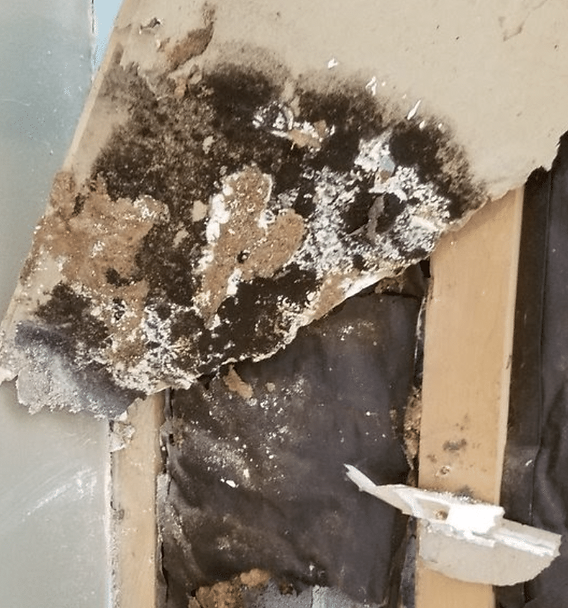
What Really Causes the Need for Black Mold Removal in Bayfront Homes in North Miami
Living in a bayfront home in North Miami has obvious advantages—water views, ocean breezes, and beautiful coastal surroundings. But those same environmental factors that make waterfront living attractive also create conditions where moisture-related problems can develop quietly over time. One of the most serious of these problems is black mold, which often forms in hidden areas long before homeowners realize anything is wrong.
Property owners across North Miami, North Miami Beach, Sunny Isles Beach, and nearby coastal neighborhoods frequently discover that mold growth is not the result of a single event but a combination of moisture sources and environmental conditions working together.
Understanding what really causes black mold in bayfront homes can help property owners recognize early warning signs and prevent long-term structural damage.
What Black Mold Is and Why It Becomes a Problem
Black mold is a type of mold that thrives in damp, humid environments where organic materials—such as drywall, wood, insulation, or carpet backing—are present. Once moisture enters building materials, mold can begin developing within 24 to 48 hours.
In many bayfront homes, the problem begins in places that are rarely inspected, such as behind walls, inside air ducts, beneath flooring, or in attic spaces. By the time visible staining or odors appear, the mold may already be well established.
Why This Happens So Often in North Miami Bayfront Homes
North Miami’s climate plays a major role in mold development. Homes located near Biscayne Bay experience constant exposure to humid air, salt moisture, and temperature fluctuations that create condensation.
Several local conditions make mold growth more likely:
- High year-round humidity levels
- Heavy seasonal rains and storms
- Wind-driven rain entering small exterior gaps
- Air conditioning condensation buildup
- Coastal air carrying moisture into attic and crawl spaces
Homes in areas like Miami Shores, Aventura, and Surfside often experience similar conditions, especially older properties that may not have modern vapor barriers or sealed duct systems.
Common Signs Homeowners Notice First
In many cases, homeowners first notice subtle warning signs rather than obvious mold patches. These early clues are often overlooked because they seem minor at first.
Some of the most common signs include:
- A persistent musty odor
- Dark spotting near vents or baseboards
- Peeling paint or bubbling drywall
- Warped flooring or damp carpet edges
- Increased indoor humidity
These signs often appear gradually, especially in bayfront homes where moisture exposure is continuous rather than sudden.
Hidden or Overlooked Sources of Moisture
One of the main reasons black mold becomes widespread is that the moisture source is hidden. In North Miami properties, inspectors frequently find mold growth caused by issues homeowners never suspected.
Common hidden sources include:
- Slow plumbing leaks inside walls
- Roof leaks after storms
- AC drain line clogs
- Condensation inside ductwork
- Poor attic ventilation
- Moisture entering through window frames
In bayfront properties, salt air can also accelerate corrosion and small structural gaps, allowing humidity to enter areas that should remain dry.
Why DIY Mold Removal Usually Fails
Many homeowners attempt to clean mold using household cleaners or bleach. While this may remove surface staining, it rarely addresses the underlying moisture or mold embedded within materials.
DIY removal often fails because:
- Mold roots penetrate porous materials
- Moisture sources remain active
- Contaminated materials are not fully removed
- Airborne spores spread to other areas
Without proper containment and drying procedures, mold can return within weeks, sometimes worse than before.
Professional Mold Inspection and Testing Explained
A professional mold inspection focuses on locating both visible mold and the moisture source causing it. This process typically involves:
- Moisture meter readings in walls and floors
- Thermal imaging to detect hidden damp areas
- Air quality sampling when necessary
- Visual inspection of attics, ducts, and crawl spaces
Homes in North Miami Beach and Biscayne Park often reveal moisture trapped inside wall cavities or under flooring, areas that cannot be evaluated without specialized tools.
Companies such as Tip Top Water and Fire Damage Restoration often emphasize locating the moisture source first, because removing mold without solving the underlying problem leads to recurring damage.
Proper Mold Removal and Remediation Process
Professional mold remediation involves several steps designed to safely remove contamination and prevent spread.
A typical process includes:
- Containment of affected areas
- Removal of contaminated materials when necessary
- HEPA filtration to capture airborne spores
- Cleaning and treatment of structural surfaces
- Drying and moisture control
In bayfront homes, drying is particularly important because materials may absorb moisture from the surrounding humid air even after a leak is repaired.
Flood Restoration and Water Damage Repair
Many black mold problems begin after minor flooding or water intrusion that appears to dry on its own. However, moisture often remains trapped inside subfloors, insulation, or framing.
Flood restoration typically includes:
- Water extraction
- Structural drying
- Removal of saturated materials
- Dehumidification
- Monitoring moisture levels
Homes in Sunny Isles Beach and Bal Harbour frequently experience storm-driven rain events that cause small but repeated water intrusions, creating long-term moisture buildup.
Air Ducts, AC Systems, and Mold
Air conditioning systems play a significant role in mold development in North Miami homes. Condensation forms naturally inside cooling systems, and if drainage or airflow is restricted, moisture can accumulate in ducts or air handlers.
Signs of duct-related mold issues may include:
- Musty odors when the AC runs
- Dark residue near vents
- Increased allergy-like symptoms indoors
- Visible moisture inside vents
Regular duct inspection and cleaning help reduce these risks, especially in homes near coastal environments where humidity levels remain high.
How to Prevent Mold in North Miami Homes
While mold cannot always be completely avoided, several steps can significantly reduce the risk:
- Maintain indoor humidity below 60%
- Inspect roofs and windows after storms
- Keep AC drain lines clear
- Ensure attic ventilation is functioning properly
- Address leaks immediately
- Schedule periodic moisture inspections
Bayfront homes benefit especially from routine inspections because moisture exposure is constant rather than seasonal.
Why Local Experience Matters
Mold issues in North Miami are different from those in inland areas. Coastal humidity, salt exposure, and storm patterns create unique conditions that require local knowledge to diagnose accurately.
Professionals familiar with properties in North Miami, Miami Shores, and Surfside understand how moisture travels through building materials and where hidden problems are most likely to develop.
Local experience often means identifying issues earlier and preventing costly structural damage.
A Calm, Practical Next Step
Black mold problems rarely appear overnight. In most cases, they develop slowly due to small leaks, condensation, or humidity that goes unnoticed. The key to protecting a bayfront home is early detection and proper remediation when needed.
Homeowners who schedule periodic inspections and address moisture issues promptly are far less likely to face major mold damage in the future. When professional help is needed, working with a company experienced in North Miami’s coastal conditions—such as Tip Top Water and Fire Damage Restoration—can make the process straightforward and effective.
Maintaining a dry, well-ventilated home remains the most reliable way to prevent mold and protect both the structure and long-term property value.