
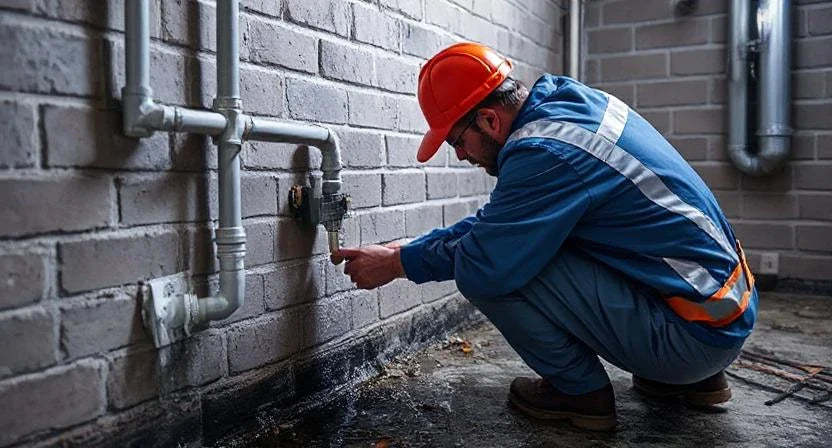
When Homes Require Water Leak Detection in Surfside
Surfside’s oceanfront lifestyle and peaceful residential streets make it one of the most desirable coastal communities in Miami-Dade County. Yet property owners here regularly face one maintenance challenge that often goes unnoticed until damage becomes serious: hidden water leaks. Because Surfside homes and condominiums operate year-round in a humid coastal climate, even small leaks can quickly turn into major moisture and mold problems.
Water leak detection is one of the most important preventive maintenance steps homeowners can take. Many leaks begin quietly inside walls, ceilings, or flooring and may remain unnoticed for weeks. Understanding when leak detection becomes necessary helps Surfside property owners act early and prevent costly repairs later.
Quick identification of moisture problems keeps homes safe and comfortable.
What a Water Leak Problem Really Means
Water leaks do not always involve obvious flooding. In many Surfside properties, leaks begin slowly from plumbing lines, appliances, roof openings, or air conditioning systems. Over time, small amounts of water seep into building materials.
Drywall, insulation, wood framing, and flooring absorb moisture, allowing damage to spread far beyond the original leak. By the time stains or odors appear, water has often traveled extensively through concealed spaces.
Leak detection focuses on finding the true source of moisture before structural damage and mold contamination develop.
Early detection makes repairs far simpler and less expensive.
Why Leaks Happen So Often in Surfside
Coastal communities face unique challenges related to moisture. Surfside homes are constantly exposed to humid ocean air and seasonal storms. Over time, this environment weakens building materials and increases leak risks.
Salt air exposure can accelerate corrosion in plumbing fittings and HVAC components. Heavy summer rains and tropical storms sometimes force water through small roof or window vulnerabilities. In condominium buildings, leaks may even originate in neighboring units.
Additionally, air conditioning systems run continuously in South Florida, producing condensation that must drain properly. When drain lines clog, water may leak into ceilings or walls.
Because these conditions are common, leak detection becomes an essential maintenance step.
Common Signs Homeowners Notice First
Water leaks often reveal themselves through subtle warning signs rather than obvious flooding. Homeowners frequently report noticing:
Musty or damp odors indoors
Water stains forming on ceilings or walls
Paint bubbling or peeling
Warped or soft flooring areas
Unexpected indoor humidity
Mold spots near vents or baseboards
These symptoms usually indicate moisture has been present for some time. Acting quickly prevents further spread.
Recognizing these signs early helps avoid larger restoration needs.
Hidden or Overlooked Leak Sources
One of the biggest challenges with leaks is that water often travels away from the source. Professional inspections in Surfside homes commonly reveal leaks in unexpected areas such as:
Behind kitchen or bathroom cabinets
Inside walls surrounding plumbing lines
Under flooring near appliances
Around sliding glass doors or balconies
Inside ceiling cavities
Near air conditioning air handlers
Because these areas remain concealed, moisture damage may grow unnoticed for weeks or months.
Proper leak detection locates moisture before mold growth begins.
Why DIY Leak Detection Usually Fails
Some homeowners try to find leaks themselves by checking visible plumbing or searching for damp areas. However, water frequently spreads behind surfaces, making visual inspection unreliable.
Opening walls unnecessarily can create further damage without solving the actual problem. Household tools cannot detect moisture trapped inside structural materials.
Professional leak detection uses specialized equipment that identifies moisture without unnecessary demolition. This approach prevents guesswork and speeds up repairs.
Professional detection protects both property and repair budgets.
Professional Leak Detection and Testing Explained
Leak detection begins with a comprehensive inspection. Specialists evaluate the property, focusing on areas where moisture problems are likely.
Moisture meters measure dampness inside walls and flooring. Thermal imaging equipment identifies temperature differences caused by hidden moisture. Acoustic tools may also be used to locate plumbing leaks behind surfaces.
HVAC systems are inspected as well, since condensation leaks often mimic plumbing problems. Testing ensures the true source of moisture is identified.
Accurate detection allows targeted repairs rather than unnecessary construction.
Proper Leak Repair and Moisture Remediation
Once the leak source is located, repairs can begin. Plumbing repairs, sealing exterior openings, or correcting AC drainage problems may be required depending on the situation.
If moisture has already spread, remediation may involve drying structural materials using professional equipment. Industrial air movers and dehumidifiers eliminate trapped moisture to prevent mold growth.
Damaged drywall or insulation may require replacement before repairs restore normal conditions. Companies like Tip Top Water and Fire Damage Restoration regularly assist Surfside homeowners through both leak detection and moisture restoration when hidden leaks cause damage.
Proper remediation prevents recurring problems.
Flood Restoration and Water Damage Repair
Leaks sometimes lead to larger water damage events, especially when left undetected. Slow leaks can weaken materials until sudden failures occur, causing flooding inside homes.
Flood restoration involves removing water, drying structures, sanitizing affected areas, and repairing damaged materials. If moisture remains hidden, mold may develop weeks later.
Repairing water damage fully prevents future contamination and structural weakening.
Early leak detection often prevents the need for extensive restoration.
Air Ducts, AC Systems, and Mold Risks
Air conditioning systems frequently play a role in hidden moisture problems. Condensation leaks near air handlers or ducts can spread moisture inside ceilings and walls.
When mold develops near ventilation systems, spores may circulate throughout the home. Leak detection inspections therefore include evaluation of HVAC components.
Maintaining AC systems helps prevent recurring moisture problems and supports healthy indoor air quality.
Proper airflow helps keep homes dry.
How to Prevent Leak Problems in Surfside Homes
Although leaks cannot always be avoided, regular maintenance significantly reduces risks. Homeowners can protect their properties through preventive steps such as:
Inspecting plumbing lines regularly
Maintaining air conditioning systems
Checking windows and balcony seals after storms
Repairing small leaks immediately
Monitoring indoor humidity levels
Scheduling moisture inspections periodically
Quick response after storms or plumbing issues helps prevent future damage.
Preventive care protects both comfort and property value.
Why Local Experience Matters
Water leaks behave differently in coastal environments than inland communities. Professionals familiar with Surfside understand how humidity, storm patterns, and building designs influence moisture problems.
Local expertise allows technicians to identify common trouble spots quickly and recommend solutions suited to coastal homes. Tip Top Water and Fire Damage Restoration frequently assists homeowners throughout Surfside and nearby communities dealing with hidden moisture concerns unique to beachfront living.
Local knowledge speeds recovery and improves repair results.
A Calm, Practical Path Forward
Hidden leaks can feel overwhelming once discovered, but they are manageable when addressed early. Professional detection and timely repairs prevent long-term structural damage and mold growth.
For Surfside homeowners, understanding when leak detection becomes necessary allows faster response when warning signs appear. With proactive maintenance and expert assistance, homes remain comfortable and protected despite South Florida’s challenging climate.
Taking action early transforms potential disasters into manageable maintenance solutions.