
Long-Term Protection Tips Related to Mold Removal in Sunny Isles Beach
Mold removal fixes an active problem. Long-term protection keeps it from coming back.
In Sunny Isles Beach, that distinction matters. Oceanfront high-rises, waterfront condos, and coastal homes face constant exposure to humidity, salt air, wind-driven rain, and heavy seasonal storms. Even after professional mold removal, the environmental pressures that caused the issue in the first place are still present.
If you own property in Sunny Isles Beach — whether a full-time residence or a seasonal condo — long-term moisture control is essential. Here’s what actually protects your property after mold removal has been completed.
Understand Why Mold Developed
Before focusing on prevention, revisit the root cause.
In Sunny Isles Beach, mold removal is commonly triggered by:
- AC condensate drain failures
- Duct condensation
- Window seal intrusion during storms
- Roof leaks
- Slab moisture migration
- Plumbing leaks from upper units
- High humidity during vacancy
If the source of moisture was not permanently corrected, mold will return.
Long-term protection begins with confirming that the original water issue was fully resolved — not temporarily patched.
Keep Indoor Humidity Between 45% and 55%
Humidity control is the foundation of mold prevention in coastal South Florida.
Outdoor air near the ocean often exceeds 70% humidity. If indoor levels rise above 60%, mold risk increases rapidly.
To maintain proper balance:
- Install humidity monitors in living areas
- Service HVAC systems regularly
- Consider a whole-home dehumidifier
- Maintain climate control when away
Vacation condos in Sunny Isles Beach are especially vulnerable when left closed without humidity management.
Even a few weeks without proper airflow can create condensation inside closets and ceiling cavities.
Maintain HVAC Systems Consistently
After mold removal, HVAC systems should be evaluated and maintained routinely.
Focus on:
- Flushing condensate drain lines
- Inspecting drain pans for corrosion
- Checking duct insulation
- Replacing filters on schedule
- Confirming proper system sizing
Short-cycling AC systems cool air quickly but fail to remove moisture effectively.
Oversized systems are common in high-rise condos and can contribute to ongoing humidity imbalance.
Regular servicing prevents small moisture issues from escalating.
Inspect Window and Door Seals Before Storm Season
Wind-driven rain is one of the leading causes of hidden moisture intrusion in waterfront properties.
Salt air accelerates deterioration of:
- Window caulking
- Sliding door seals
- Balcony thresholds
Even minor gaps allow water into wall cavities during tropical storms.
Annual exterior inspections reduce risk dramatically.
Replacing aging seals costs far less than repeat mold remediation.
Monitor Slab Moisture in Ground-Level Units
Some Sunny Isles Beach properties, especially townhomes or lower-level units, sit on slab foundations.
After heavy rainfall, groundwater levels may rise.
Moisture can migrate upward through concrete, increasing indoor humidity without visible flooding.
Watch for:
- Warped wood flooring
- Damp carpet padding
- Musty odors near baseboards
Moisture detection inspections help confirm slab conditions.
If necessary, drainage improvements or vapor barriers may be recommended.
Improve Ventilation in Small Spaces
Bathrooms, laundry rooms, and closets are common problem areas.
After mold removal, ensure:
- Exhaust fans function properly
- Fans run during and after showers
- Closet doors allow airflow
- Storage is not packed tightly against exterior walls
Stagnant air pockets trap moisture.
In coastal climates, airflow is a critical preventive tool.
Keep Duct Systems Clean and Dry
Air ducts play a central role in maintaining indoor air quality.
After mold removal, it’s important to:
- Inspect ducts for condensation
- Replace damaged insulation
- Schedule duct cleaning if contamination was present
- Monitor vents for discoloration
Because HVAC systems circulate air constantly, duct moisture quickly spreads throughout the property.
Maintaining dry duct systems supports long-term air stability.
Act Immediately on Small Leaks
In humid environments like Sunny Isles Beach, delays increase risk.
After mold removal, property owners should:
- Check under sinks regularly
- Inspect ceilings after storms
- Monitor AC closets for dampness
- Address minor water stains immediately
Even small leaks can create hidden moisture within 24–48 hours.
Prompt repair prevents new mold growth.
Maintain Climate Control in Vacant Units
Seasonal occupancy is common in Sunny Isles Beach.
When properties remain closed for months, humidity rises if systems are not managed properly.
Long-term protection requires:
- Leaving AC set to moderate temperature
- Using humidity control settings
- Scheduling periodic inspections
- Ensuring air circulation
Closed, unventilated condos are among the most common sources of recurring mold issues.
Schedule Annual Moisture Inspections
Mold removal should not be followed by neglect.
Annual inspections — especially after hurricane season — provide reassurance.
A professional moisture inspection may include:
- Thermal imaging
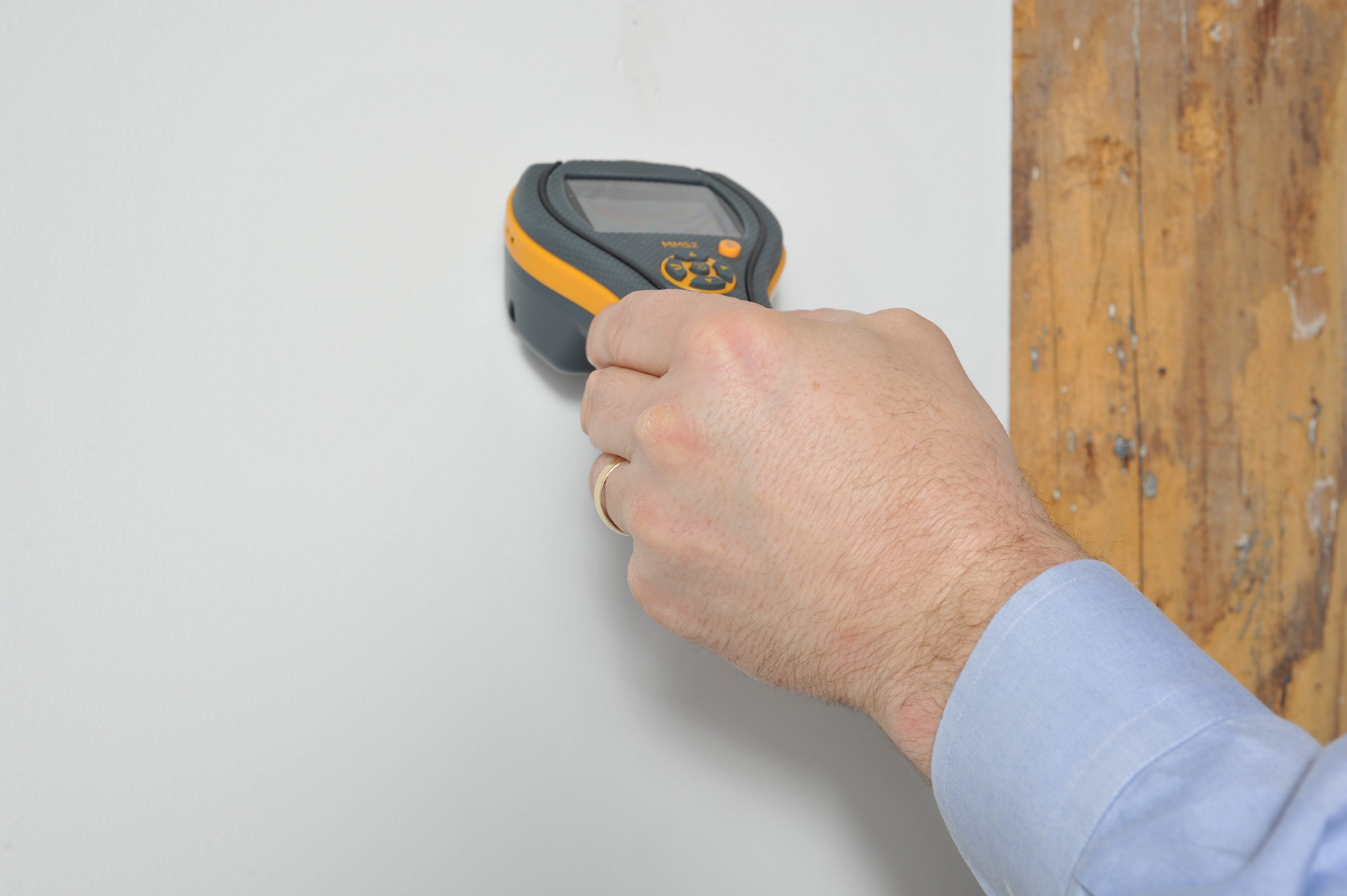
- Moisture meter readings
- HVAC evaluation
- Attic inspection
- Air sampling if needed
Preventive inspections detect minor issues before they become remediation projects.
Understand Salt Air’s Long-Term Impact
Salt exposure near the ocean accelerates corrosion.
Over time, salt weakens:
- HVAC components
- Metal fasteners
- Window frames
- Roof flashing
As materials degrade, water intrusion becomes more likely.
Maintaining exterior components is a long-term mold prevention strategy.
Why Local Coastal Experience Matters
Mold prevention in Sunny Isles Beach requires understanding:
- Oceanfront humidity behavior
- High-rise airflow systems
- Storm intrusion patterns
- Slab moisture migration
- Salt corrosion dynamics
A restoration professional familiar with Sunny Isles Beach, Aventura, Bal Harbour, North Miami Beach, and Surfside recognizes how these environmental pressures interact.
Tip Top Water and Fire Damage Restoration has addressed mold removal and long-term moisture control throughout these waterfront communities, applying prevention strategies designed specifically for South Florida’s climate.
Local knowledge ensures lasting results.
A Practical Long-Term Strategy
Mold removal addresses the immediate contamination. Long-term protection prevents recurrence.
In Sunny Isles Beach, long-term mold prevention includes:
- Humidity control
- HVAC maintenance
- Exterior seal inspection
- Slab moisture monitoring
- Ventilation improvements
- Rapid leak response
- Annual moisture inspections
Coastal living will always involve environmental moisture.
But with consistent maintenance and awareness, mold does not have to return.
Long-term protection is not about reacting to emergencies — it’s about building stable indoor conditions year-round.
In South Florida’s waterfront communities, proactive moisture management preserves structural integrity, protects indoor air quality, and safeguards property value for years to come.