
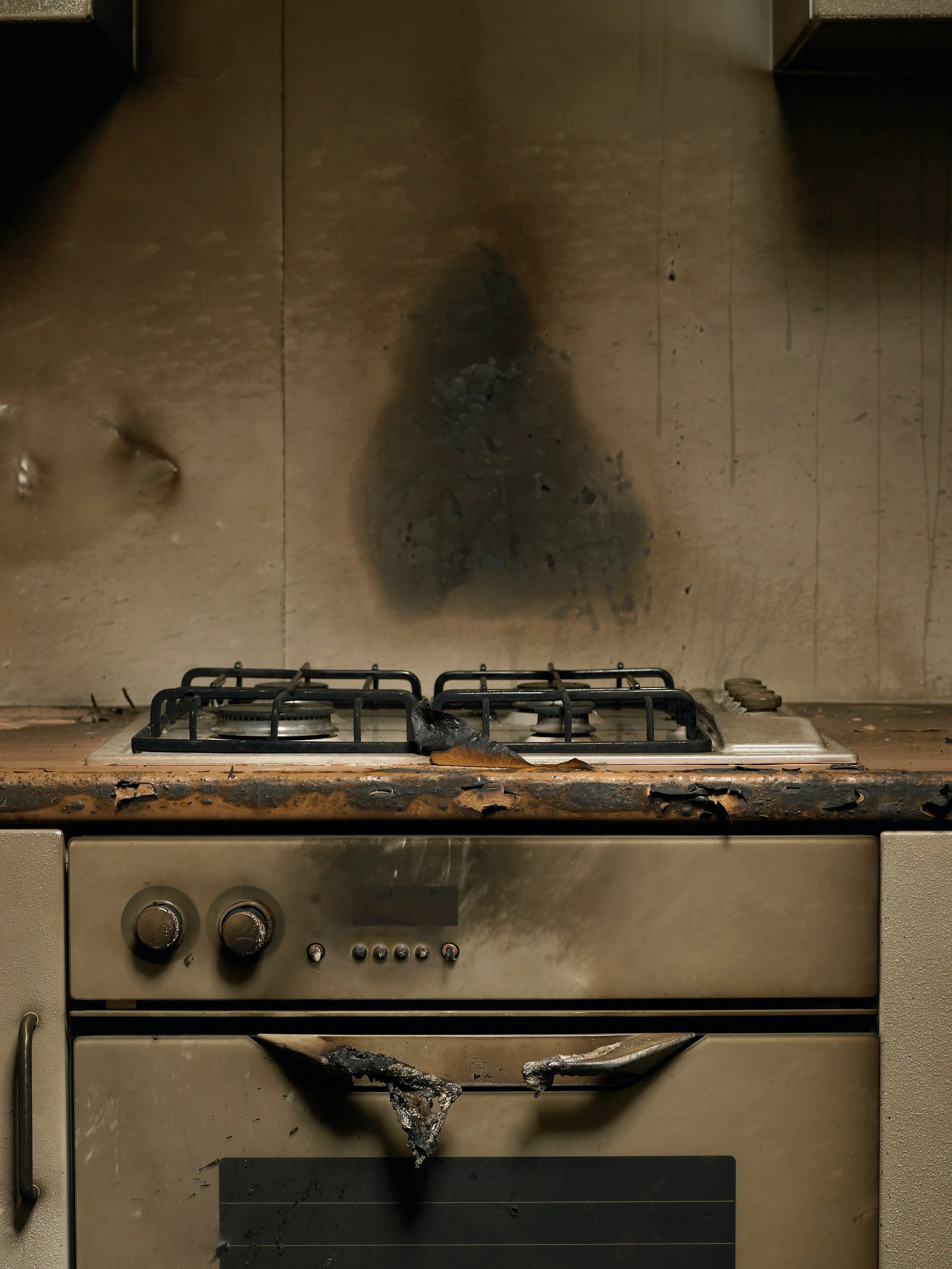
Smoke Damage Cleanup in North Miami Beach: Why Quick Action Makes a Difference
In North Miami Beach, most fire events are contained quickly. A kitchen flare-up. An electrical short. A small appliance fire. Sprinklers activate. The fire department responds fast.
But here’s what many property owners underestimate: smoke damage spreads far beyond the burned area — and in South Florida’s humid coastal climate, delaying cleanup makes things worse fast.
Smoke damage cleanup is not just about wiping down black residue. It’s about preventing corrosion, odor absorption, HVAC contamination, and long-term material deterioration. In waterfront communities near Sunny Isles Beach, Aventura, and North Miami, quick action truly makes a measurable difference.
Here’s why.
Smoke Spreads Faster Than Flames
Even a contained fire fills the structure with microscopic soot particles.
Smoke travels through:
- HVAC systems
- Ceiling cavities
- Door gaps
- Attic spaces
- Electrical outlets
In high-rise condos common in North Miami Beach, smoke can move vertically through shared shafts and ventilation systems.
The visible damage in one room rarely represents the full scope of contamination.
Immediate cleanup prevents soot from settling permanently into porous materials.
Soot Is Acidic — And Coastal Humidity Makes It Worse
Soot is not just dirty residue. It’s chemically reactive.
In humid environments like North Miami Beach, soot absorbs moisture from the air. That combination creates acidic residue that begins damaging surfaces quickly.
Within hours, soot can:
- Corrode metal fixtures
- Tarnish appliances
- Stain painted surfaces
- Etch glass
- Discolor plastics
The longer soot remains, the harder it becomes to remove.
Humidity accelerates this process.
Quick cleanup reduces long-term material damage.
Odors Become Embedded Over Time
Smoke odor behaves differently in humid coastal air.
When soot particles settle into:
- Upholstery
- Drywall
- Insulation
- Wood cabinetry
- HVAC duct lining
They absorb moisture and bond more deeply into materials.
The longer you wait, the more difficult odor removal becomes.
Immediate air scrubbing and cleaning reduce permanent odor absorption.
In waterfront properties near Biscayne Bay, humidity amplifies lingering smells.
HVAC Systems Circulate Contaminants
Air conditioning systems in North Miami Beach run nearly year-round.
If smoke enters the HVAC system, soot circulates every time the AC operates.
Without prompt inspection, contamination may spread to:
- Duct interiors
- Air handler compartments
- Coils
- Return vents
Delaying smoke damage cleanup increases the chance that HVAC cleaning will be required.
Quick shutdown and inspection limit distribution.
Water from Fire Suppression Adds Risk
Even small fires often involve:
- Sprinkler activation
- Fire hose spray
- Excess humidity from extinguishing efforts
In coastal South Florida, that added moisture combines with soot to create sticky residue.
Moisture also increases mold risk if materials remain damp.
Smoke damage cleanup frequently overlaps with water removal and drying.
Immediate response addresses both issues before secondary damage develops.
Electronics and Appliances Are Time-Sensitive
Soot particles settle into electronic components quickly.
Corrosion begins almost immediately, especially in salt-exposed coastal environments.
In North Miami Beach condos and homes, electronics affected may include:
- Air conditioning systems
- Kitchen appliances
- Smart home systems
- Security panels
Quick cleaning reduces permanent corrosion.
Waiting increases the likelihood of replacement rather than restoration.
Paint and Finishes Absorb Residue
Many waterfront properties feature light-colored walls and modern finishes.
Smoke stains become more noticeable on light surfaces.
If soot is not removed quickly:
- Paint may require complete replacement
- Cabinets may stain permanently
- Trim may discolor
- Ceiling textures may trap residue
Prompt cleaning preserves finishes and reduces reconstruction needs.
Mold Risk After Fire Events
In humid climates, moisture from fire suppression combined with heat and soot creates favorable conditions for mold.
If materials remain damp for more than 24–48 hours, microbial growth may begin.
Smoke damage cleanup must include moisture detection and structural drying.
Delays increase restoration scope.
Insurance Documentation Improves with Quick Response
Insurance claims for smoke damage require detailed documentation.
Prompt inspection allows:
- Accurate damage assessment
- Photographic evidence
- Surface testing
- Moisture readings
- Itemized cleaning plans
Waiting may blur the timeline between fire damage and secondary deterioration.
Early documentation protects property owners during the claims process.
High-Rise Condo Considerations in North Miami Beach
Many properties in North Miami Beach are multi-unit buildings.
Smoke can:
- Travel between units
- Enter shared ventilation systems
- Affect neighboring condos
Quick containment prevents cross-unit contamination.
Coordination with building management ensures shared infrastructure is inspected.
Delays increase the number of affected spaces.
The Structured Smoke Damage Cleanup Process
Professional cleanup typically includes:
- Detailed inspection of affected areas
- Containment to prevent further spread
- HEPA air filtration to capture airborne soot
- Surface cleaning with specialized solutions
- HVAC inspection and cleaning if necessary
- Odor neutralization treatments
- Moisture detection and drying
Each step becomes more complex the longer soot remains in place.
Speed simplifies the process.
Why Delays Increase Costs
Waiting to begin smoke damage cleanup often results in:
- Permanent staining
- Deeper odor penetration
- Corroded fixtures
- Mold development
- Increased reconstruction needs
In humid coastal environments, material deterioration accelerates.
What could have been surface cleaning becomes drywall replacement.
What could have been odor treatment becomes full HVAC cleaning.
Quick action minimizes repair scope.
Preventive Steps After Cleanup
After smoke damage cleanup is complete, property owners in North Miami Beach can reduce future risk by:
- Scheduling annual HVAC inspections
- Maintaining electrical systems
- Cleaning dryer vents
- Inspecting kitchen exhaust systems
- Monitoring indoor humidity
Proper maintenance reduces fire risk and improves air quality.
Why Local Coastal Experience Matters
Smoke damage cleanup in North Miami Beach requires understanding:
- Coastal humidity behavior
- Salt air corrosion patterns
- High-rise ventilation systems
- HVAC circulation in humid climates
- Mold risks after suppression
A restoration professional familiar with North Miami Beach, Sunny Isles Beach, Aventura, and nearby waterfront communities understands how these environmental factors influence cleanup timelines.
Tip Top Water and Fire Damage Restoration has addressed smoke and fire damage throughout these coastal neighborhoods, applying strategies tailored specifically to South Florida’s climate.
Local expertise ensures faster stabilization and long-term protection.
A Practical Perspective
Smoke damage cleanup in North Miami Beach is time-sensitive because humidity and salt exposure accelerate deterioration.
Quick action prevents:
- Permanent staining
- Odor embedding
- HVAC contamination
- Corrosion
- Mold growth
Even small fires can produce widespread smoke damage.
Acting within the first 24–48 hours dramatically improves outcomes.
In South Florida’s coastal environment, speed is not about urgency for urgency’s sake — it’s about protecting materials before humidity and salt amplify the damage.
With structured cleanup and immediate response, property owners can restore indoor air quality, preserve structural integrity, and prevent minor smoke events from becoming long-term restoration projects.