
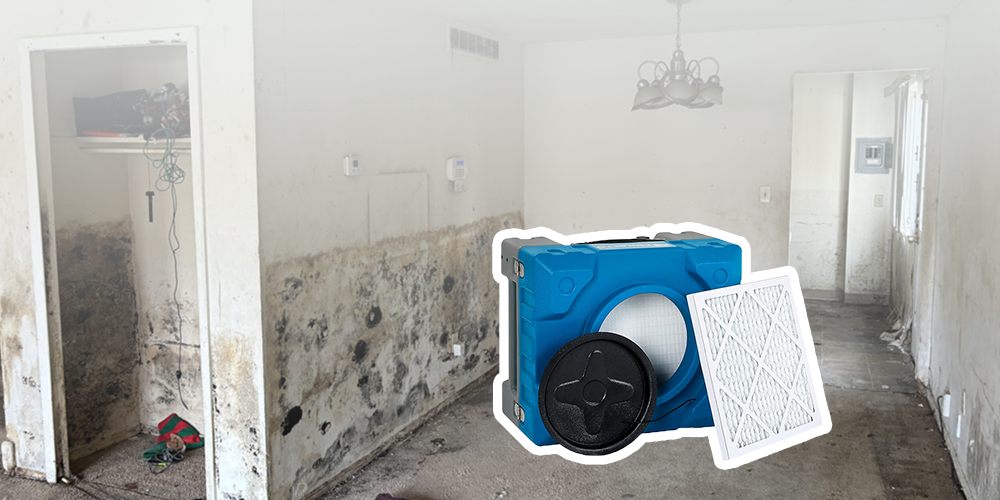
Black Mold Removal in Bal Harbour Following Indoor Flooding: What to Watch For
Indoor flooding in Bal Harbour is rarely just about water. Whether caused by storm surge, wind-driven rain, plumbing failures, or upper-floor condo leaks, flooding in coastal South Florida creates the perfect conditions for black mold growth.
Bal Harbour’s oceanfront location adds another layer of complexity. High humidity, salt air, and continuous air conditioning use mean moisture lingers longer than many property owners expect. When water sits — even briefly — mold can begin developing within 24 to 48 hours.
Black mold removal after indoor flooding is not a cosmetic task. It’s a structured remediation process designed to eliminate contamination, correct moisture conditions, and prevent recurrence.
If your Bal Harbour property has experienced indoor flooding, here’s what to watch for.
Why Flooding in Bal Harbour Leads to Rapid Mold Growth
Coastal flooding behaves differently than inland water damage.
Bal Harbour properties are exposed to:
- High year-round humidity
- Salt-laden air
- Wind-driven storm intrusion
- Elevated groundwater
- Slab-on-grade construction
When floodwater enters the home, it saturates:
- Drywall
- Insulation
- Carpet padding
- Subfloors
- Baseboards
Because humidity remains high even after visible water is removed, materials stay damp longer.
That lingering moisture creates ideal conditions for black mold to develop behind walls and under flooring.
Watch for Musty Odors After Drying
One of the earliest warning signs of black mold after flooding is odor.
Even if:
- Floors appear dry
- Walls look clean
- Water was professionally extracted
A persistent musty smell indicates trapped moisture.
In Bal Harbour condos and homes, odors often originate from:
- Ceiling cavities
- Interior wall insulation
- AC closets
- Beneath hardwood flooring
If odors linger beyond a few days after drying, further inspection is necessary.
Check Lower Wall Sections Carefully
Black mold frequently develops in the lower 12–24 inches of drywall after flooding.
Water wicks upward from the floor into:
- Drywall panels
- Insulation
- Framing
Even if the visible water line appears low, moisture may have traveled higher inside the wall cavity.
Signs to watch for include:
- Bubbling paint
- Soft drywall
- Warped baseboards
- Dark spotting near floor edges
Professional moisture detection confirms whether hidden dampness remains.
Slab Foundations Can Trap Moisture
Many Bal Harbour properties sit on concrete slabs.
After indoor flooding, especially from storm surge or heavy rain, moisture can remain trapped between:
- Concrete
- Flooring materials
- Carpet padding
- Engineered wood
Slabs dry slowly in humid climates.
If flooring is reinstalled before slab moisture stabilizes, mold growth often returns within weeks.
Monitoring slab moisture levels is critical before reconstruction.
HVAC Systems May Spread Contamination
Flooding often affects HVAC systems indirectly.
Moisture may enter:
- Air handler compartments
- Duct insulation
- Ceiling-mounted units
When AC systems restart, spores can circulate throughout the property.
Watch for:
- Odor intensifying when AC turns on
- Discoloration near vents
- Condensation forming around registers
If ducts were exposed to moisture, air duct cleaning or insulation replacement may be necessary.
Saltwater Flooding Increases Damage Severity
If flooding involved storm surge near Biscayne Bay, saltwater contamination is likely.
Saltwater:
- Accelerates corrosion
- Weakens drywall and framing
- Leaves residue behind
- Increases microbial growth potential
Salt residue combined with humidity worsens mold conditions.
Cleaning and removal must address both microbial contamination and salt exposure.
Mold May Appear in Closets and Cabinets
Black mold after flooding often develops in enclosed spaces.
Closets, cabinetry, and storage areas along exterior walls are common locations.
Limited airflow allows moisture to remain trapped.
Watch for:
- Discoloration on drywall
- Damp odors in closets
- Dark staining inside cabinets
Ventilation improvements are often necessary after remediation.
Timing Makes a Difference
The first 24–48 hours after flooding are critical.
If water is not fully extracted and dried during this window, mold risk increases sharply.
Delays may result in:
- Larger demolition areas
- Increased remediation costs
- Expanded contamination
- Structural wood damage
Quick action reduces the extent of black mold removal needed.
The Black Mold Removal Process After Flooding
When black mold is confirmed, removal typically includes:
- Detailed inspection and moisture mapping
- Containment of affected areas
- HEPA air filtration
- Removal of contaminated drywall and insulation
- Cleaning and antimicrobial treatment of framing
- Controlled structural drying
- Clearance testing if necessary
Containment prevents spores from spreading to unaffected rooms.
Proper drying ensures mold does not return after reconstruction.
High-Rise Condo Considerations
Bal Harbour includes many high-rise waterfront condos.
Flooding in one unit may affect neighboring units.
Water from upper floors can travel downward through shared cavities.
Black mold removal in multi-unit buildings requires coordination with building management to prevent cross-contamination.
Shared ventilation systems must also be evaluated.
Preventing Mold Recurrence After Removal
Once remediation is complete, long-term prevention involves:
- Maintaining indoor humidity between 45–55%
- Servicing HVAC systems regularly
- Monitoring slab moisture
- Inspecting windows and seals before storm season
- Acting immediately on minor leaks
- Scheduling annual moisture inspections
Vacation properties must maintain climate control even when unoccupied.
Closed units without humidity management are especially vulnerable.
Why Local Coastal Experience Matters
Black mold removal in Bal Harbour requires understanding:
- Coastal humidity behavior
- Salt air corrosion patterns
- Slab moisture migration
- High-rise building dynamics
- Storm-driven intrusion
A restoration professional familiar with Bal Harbour, Sunny Isles Beach, North Miami Beach, and Surfside understands how these environmental factors interact.
Tip Top Water and Fire Damage Restoration has addressed flood-related mold issues throughout these waterfront communities, applying remediation strategies tailored to South Florida’s climate.
Local expertise ensures both contamination removal and long-term stability.
A Practical Perspective
Indoor flooding in Bal Harbour does not automatically mean black mold — but it creates the conditions for it.
Watch for:
- Musty odors
- Soft drywall
- Discoloration near floors
- HVAC-related smells
- Slab moisture
Humidity and salt exposure accelerate deterioration.
Quick water extraction and structured drying reduce mold risk dramatically.
If black mold develops, proper containment, removal, and moisture correction are essential.
In coastal South Florida, acting early protects structural integrity, indoor air quality, and long-term property value.
Flooding may be part of waterfront living — but recurring mold does not have to be.