
Property Maintenance Insights: Fire Damage Restoration in Bal Harbour
Fire damage is something no property owner in Bal Harbour ever expects to face. The community is known for its luxury high-rise condominiums, waterfront homes, and well-maintained properties along Collins Avenue. But even in beautifully maintained buildings, fires can and do happen.
Sometimes it’s a kitchen flare-up in a condo overlooking the ocean. Other times it’s an electrical malfunction in a mechanical room. Occasionally, it’s a lightning strike during a summer storm moving in from the Atlantic.
In Bal Harbour and nearby coastal areas like Surfside, Sunny Isles Beach, and North Miami Beach, fire damage restoration is not just about cleaning soot off walls. It’s about understanding how smoke, moisture, salt air, and building design all interact. Proper restoration protects property value, structural integrity, and indoor air quality long after the fire is out.
Understanding Fire Damage in Coastal Properties
Fire damage typically includes three primary components:
- Direct flame damage
- Smoke and soot contamination
- Water damage from fire suppression
In Bal Harbour, many properties are constructed with concrete and steel, especially high-rise condominiums. While these materials resist structural collapse better than wood framing, interiors still contain drywall, cabinetry, flooring, insulation, and furnishings that are highly susceptible to smoke and moisture damage.
In single-family homes near the Intracoastal or Biscayne Bay, wood framing and attic spaces can allow smoke to spread quickly beyond the original fire source.
Even small fires can create extensive hidden damage.
Why Fire Damage Happens in Bal Harbour
Bal Harbour’s environment and property types create specific risk factors.
Electrical Demands in High-Rise Buildings
Luxury condos often contain:
- Multiple HVAC units
- High-end kitchen appliances
- Smart home systems
- Dedicated electrical panels
Overloaded circuits, aging wiring, or poorly maintained electrical systems can lead to overheating and smoke events.
Storm Activity and Lightning
South Florida’s summer storms bring heavy rain, strong winds, and lightning strikes. Power surges during storms sometimes trigger electrical fires in mechanical rooms or individual units.
Kitchen Fires in Condos
In high-density residential buildings, cooking-related fires are common. Even when contained quickly, smoke can migrate through:
- Hallways
- Shared ventilation systems
- Utility chases
- Elevator shafts
This means one unit’s fire can affect multiple neighboring units.
Aging Infrastructure
While many Bal Harbour buildings are modern, some structures date back decades. Older wiring, outdated fire suppression systems, and deteriorating ductwork can contribute to fire-related incidents.
What Homeowners and Property Managers Notice First
After a fire — even a small one — property owners often observe:
- Lingering smoke odor
- Yellow or gray staining on ceilings
- Soot around air vents
- Discoloration on walls and cabinetry
- Warped flooring from water exposure
- Peeling paint
In coastal environments like Bal Harbour, high humidity intensifies these issues. Smoke particles are acidic. When combined with moisture in the air, they become more corrosive.
That’s why what looks like light cosmetic staining can become deeper material damage over time.
Hidden Fire Damage in Coastal Buildings
Some of the most serious damage is not immediately visible.
In Bal Harbour condos and homes, hidden damage often includes:
- Smoke inside air ducts
- Soot settling in attic insulation
- Moisture trapped inside walls
- Water pooling under flooring
- Corrosion on metal fixtures
Because many coastal properties operate air conditioning systems year-round, smoke-contaminated ductwork can continue circulating odor and fine particles long after the visible fire damage is cleaned.
Salt in the coastal air can also accelerate corrosion when combined with soot and moisture.
Why DIY Fire Cleanup Is Risky
It’s common for property owners to attempt initial cleanup by:
- Wiping down surfaces
- Repainting stained areas
- Shampooing carpets
- Running fans or dehumidifiers
Unfortunately, this often addresses only surface-level contamination.
Soot particles are microscopic and oily. They embed into porous materials like drywall, fabric, and insulation. Standard cleaning products can smear soot rather than remove it.
Painting over smoke-damaged walls without proper sealing allows odors to return, especially during humid summer months in Bal Harbour.
Professional fire damage restoration focuses on complete contamination removal — not just cosmetic improvement.
The Professional Fire Damage Restoration Process
Effective fire restoration follows a structured and methodical process.
1. Detailed Inspection
A full assessment determines:
- Extent of flame damage
- Smoke spread pattern
- Moisture saturation levels
- HVAC contamination
- Structural stability
Moisture detection tools are critical, especially in Bal Harbour where humidity slows natural drying.
2. Securing the Property
Damaged windows, doors, or exposed areas are secured to prevent further environmental intrusion.
3. Water Removal and Drying
Water used to extinguish the fire must be extracted quickly. Industrial drying equipment stabilizes humidity levels and prevents mold growth.
4. Soot and Smoke Removal
Specialized cleaning techniques remove soot from:
- Walls and ceilings
- Cabinets and fixtures
- Flooring surfaces
- Structural framing
HEPA air filtration systems remove airborne particles.
5. Deodorization
Professional deodorization neutralizes odor molecules rather than masking them.
6. Repair and Restoration
This may include:
- Drywall replacement
- Painting with proper sealants
- Flooring repair
- Cabinet restoration
Companies like Tip Top Water and Fire Damage Restoration have worked with both condo associations and homeowners throughout Bal Harbour and nearby North Miami, addressing fire damage with a calm, structured approach.
Flood Restoration and Water Damage After Fire
Fire damage almost always includes water damage.
In high-rise buildings, sprinkler systems can release large amounts of water into multiple units. In single-family homes, fire hoses saturate walls, flooring, and insulation.
If not properly dried, this moisture can lead to:
- Mold growth
- Wood rot
- Structural weakening
- Persistent humidity issues
In coastal communities like Bal Harbour and Surfside, humidity is already high. That makes professional moisture detection and drying essential.
Water testing and moisture mapping ensure hidden dampness is addressed before reconstruction begins.
Air Ducts, HVAC Systems, and Fire Damage
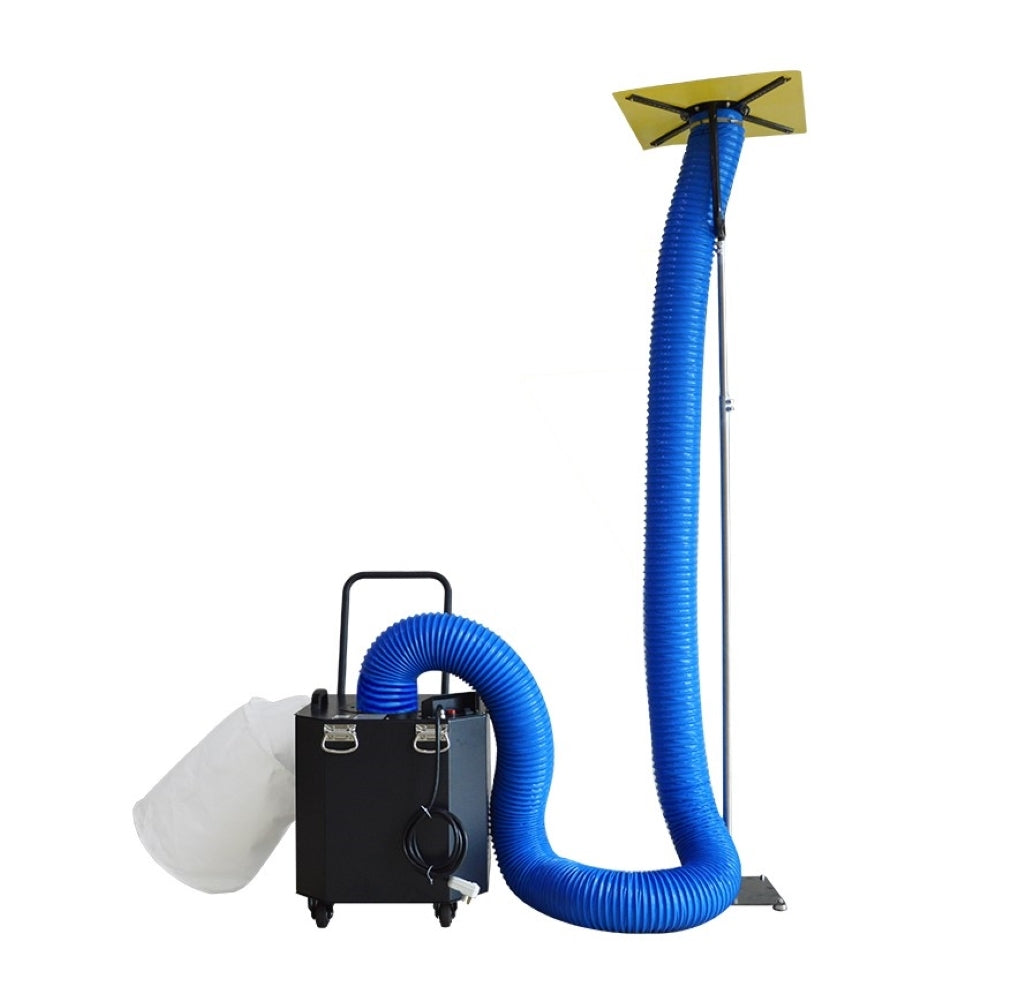
HVAC systems often become contamination pathways.
Smoke travels through ducts and settles along interior surfaces. Each time the system turns on, particles and odors can redistribute throughout the unit.
In Bal Harbour’s climate, air conditioning runs most of the year. That means contaminated ductwork can prolong smoke issues indefinitely if not cleaned properly.
Professional duct cleaning and inspection may also identify moisture-related AC issues that developed after the fire event.
Preventive Property Maintenance Insights
Fire damage restoration is reactive. But property maintenance can reduce future risk.
In Bal Harbour properties, proactive steps include:
- Annual electrical inspections
- Routine HVAC servicing
- Dryer vent cleaning
- Checking mechanical rooms for overheating equipment
- Inspecting attic wiring in single-family homes
- Ensuring fire suppression systems are maintained
For condo associations, scheduled building-wide inspections are especially important.
Coastal air exposure also requires attention to metal components, electrical panels, and ventilation systems to prevent corrosion-related failures.
The Importance of Local Experience
Restoring a fire-damaged property in Bal Harbour is different from restoring one inland.
Coastal humidity, salt exposure, high-rise construction, and shared ventilation systems all influence restoration strategy.
Professionals familiar with local building types understand:
- How smoke travels vertically in condo towers
- How humidity affects soot adhesion
- How water damage behaves in concrete structures
- How to coordinate work in occupied buildings
Tip Top Water and Fire Damage Restoration has experience working across Bal Harbour, Sunny Isles Beach, and North Miami Beach, where restoration requires both technical precision and sensitivity to high-value properties.
Protecting Property Value After a Fire
Bal Harbour real estate represents significant investment.
Proper fire damage restoration protects:
- Structural integrity
- Indoor air quality
- Aesthetic finishes
- Long-term resale value
Incomplete cleanup can leave lingering odors, hidden moisture, or cosmetic flaws that affect property appeal.
Thorough inspection and remediation ensure the property is truly restored — not just superficially improved.
A Calm, Practical Next Step
Experiencing a fire in your home or condo is stressful. The process afterward should not be.
The right approach begins with a careful assessment, clear planning, and systematic restoration.
In Bal Harbour’s coastal environment, fire damage restoration requires attention to smoke, water, humidity, and building design. Addressing all components properly ensures the home returns to a safe, stable, and comfortable condition.
If your property has experienced fire or smoke damage, a knowledgeable local restoration professional can evaluate the full extent of impact and guide the next steps with clarity and care.