
Mold Removal in Miami Shores: A Practical Home Maintenance Guide
Mold is a common concern for homeowners in Miami Shores. Between high humidity, heavy seasonal rains, and year-round air conditioning use, moisture is part of daily life here. When moisture lingers in walls, ceilings, or under flooring, mold can develop quietly and spread before anyone notices.
For homeowners, landlords, and property managers in Miami Shores, understanding mold removal as part of routine home maintenance is essential. Addressing it early protects structural materials, preserves indoor air quality, and helps prevent more extensive repairs later.
This guide explains what mold removal involves, why it’s so common in our area, and how to approach it the right way.
What Mold Is and Why It Develops Indoors
Mold is a natural fungus that thrives in damp environments. Outdoors, it plays an important role in breaking down organic material. Indoors, however, it becomes a problem when moisture accumulates on building materials like drywall, wood, insulation, or carpet.
Mold only needs three things to grow:
- Moisture
- Organic material (such as wood or dust)
- Limited airflow
In Miami Shores homes — whether older properties near Biscayne Bay or updated residences closer to North Miami — all three conditions can easily come together.
Even small moisture issues, like condensation around AC vents or minor roof leaks, can create the perfect environment for growth.
Why Mold Is So Common in Miami Shores
Living in Miami Shores means living with humidity. Coastal air carries moisture year-round, and summer months bring intense heat combined with frequent storms.
Several local factors contribute to mold development:
High Humidity Levels
Indoor humidity in South Florida often rises above recommended levels if not carefully controlled. Even when the air conditioning is running, certain rooms or closets may remain damp.
Heavy Rain and Storm Season
Seasonal storms in Miami Shores, North Miami Beach, and Surfside can drive rain into roofing systems, window frames, and exterior walls. Sometimes water intrusion is subtle and goes unnoticed for weeks.
AC Condensation Issues
Air conditioning systems run almost constantly. If drain lines clog or insulation deteriorates, condensation can drip into wall cavities or ceilings.
Older Construction
Many homes in Miami Shores were built decades ago. Slab foundations, aging plumbing, and limited attic ventilation can create hidden moisture pockets.
Newer construction isn’t immune either. Tight building envelopes sometimes trap humidity indoors if ventilation isn’t balanced properly.
Common Signs Homeowners Notice
Mold does not always appear as dramatic black patches on walls. Often, the signs are subtle.
Homeowners in Miami Shores commonly report:
- Musty or earthy odors
- Discoloration on ceilings or baseboards
- Bubbling or peeling paint
- Warped wood trim
- Persistent humidity in certain rooms
- Recurring staining after repainting
In multi-unit buildings near Bal Harbour or Aventura, mold can also spread between units through shared ventilation systems or plumbing penetrations.
If moisture is present, mold will eventually follow.
Hidden and Overlooked Mold Sources
One of the challenges with mold removal is identifying the true source of moisture.
In Miami Shores homes, hidden mold frequently develops in:
- Behind bathroom tile walls
- Under kitchen sinks
- Around window frames
- Inside HVAC ducts
- Beneath carpet padding
- Inside attic insulation
Water intrusion from roof leaks is especially common after storms. Even a small breach can allow water into attic spaces, where it slowly spreads through insulation and drywall.
Slab leaks are another overlooked issue in older homes. Water under flooring can remain undetected until noticeable damage appears.
Without moisture detection tools, these problems are easy to miss.
Why DIY Mold Removal Often Falls Short
Many homeowners attempt to remove mold using household cleaners or bleach. While this may temporarily lighten surface staining, it rarely solves the underlying issue.
Bleach does not penetrate porous materials like drywall or wood. It can kill surface growth but leave roots embedded deeper inside.
Painting over mold without proper remediation only seals in the problem temporarily. In humid environments like Miami Shores, it often returns during the next stretch of damp weather.
True mold removal requires:
- Identifying the moisture source
- Correcting the moisture issue
- Safely removing contaminated materials
- Cleaning and filtering airborne particles
- Properly drying the affected area
Skipping any of these steps increases the chance of recurrence.
Professional Mold Inspection and Testing Explained
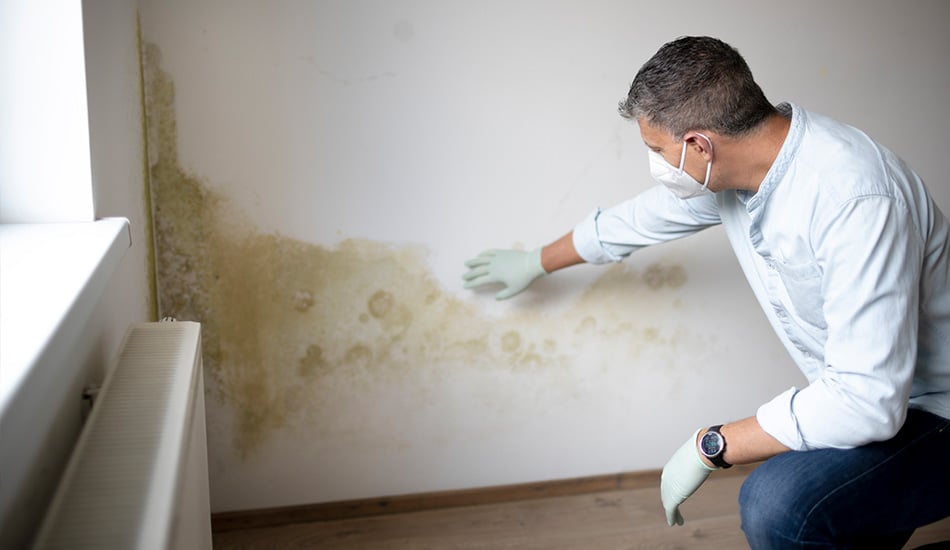
Professional mold removal begins with inspection.
An experienced local specialist will evaluate:
- Visible growth
- Humidity levels
- Water intrusion history
- HVAC condition
- Structural moisture readings
Moisture meters and thermal imaging cameras help detect damp areas behind walls or ceilings.
In some cases, mold testing is performed to identify spore concentration levels or confirm contamination inside wall cavities. Testing is particularly helpful in real estate transactions or multi-unit buildings in Miami Shores and nearby Sunny Isles Beach.
A proper inspection ensures the removal plan is targeted and effective.
The Mold Removal and Remediation Process
Once the source of moisture is identified, the remediation process begins.
1. Containment
Plastic barriers and negative air machines isolate the affected area to prevent spores from spreading to clean spaces.
2. Air Filtration
HEPA air scrubbers remove airborne mold particles during the process.
3. Removal of Contaminated Materials
Porous materials such as drywall, insulation, or carpet may need to be removed if heavily affected.
4. Surface Cleaning
Non-porous surfaces are cleaned with professional-grade antimicrobial solutions.
5. Drying and Dehumidification
Industrial dehumidifiers stabilize moisture levels before reconstruction.
6. Repairs and Restoration
Drywall replacement, painting, and other repairs restore the area to its original condition.
Companies like Tip Top Water and Fire Damage Restoration handle mold remediation throughout Miami Shores with attention to both structural integrity and long-term moisture control.
Mold, Flooding, and Water Damage Connection
In South Florida, mold and water damage are closely linked.
Flooding from heavy rains or plumbing leaks introduces significant moisture into walls and flooring. If drying is incomplete, mold can develop within 24 to 72 hours.
In Miami Shores and surrounding areas like Biscayne Park and North Miami Beach, flood restoration often includes:
- Water extraction
- Structural drying
- Moisture mapping
- Mold inspection
Addressing water damage thoroughly reduces the risk of secondary mold growth.
Air Ducts, AC Systems, and Mold Growth
Air conditioning systems are essential in Miami Shores. However, they can also contribute to mold problems if not maintained.
Clogged condensate lines, dirty coils, or leaky ducts create damp environments inside the system.
When mold develops in ductwork, spores circulate throughout the home every time the system runs.
Professional air duct cleaning and inspection may be necessary when mold contamination is suspected within HVAC systems.
Maintaining AC units properly is one of the most effective mold prevention strategies in South Florida.
Preventing Mold as Part of Routine Home Maintenance
Preventive steps can significantly reduce mold risk.
Homeowners in Miami Shores should:
- Keep indoor humidity below recommended levels
- Service AC systems regularly
- Clean and inspect gutters
- Check attic ventilation
- Repair roof leaks promptly
- Inspect plumbing connections under sinks
- Ensure proper bathroom ventilation
Routine moisture detection in older homes can catch small problems early.
Mold removal is far less disruptive when addressed quickly.
Why Local Experience Makes a Difference
Mold removal in Miami Shores is different from mold removal in dry climates.
Coastal humidity, salt exposure, storm activity, and constant AC use create unique conditions.
Local professionals understand:
- How coastal air impacts moisture levels
- How slab foundations trap hidden leaks
- How attic ventilation affects mold growth
- How high-rise buildings manage humidity differently
Tip Top Water and Fire Damage Restoration works throughout Miami Shores, Aventura, Surfside, and nearby communities with an understanding of how Florida’s climate shapes mold behavior.
That local knowledge helps ensure mold is removed properly and moisture issues are corrected at the source.
A Practical, Steady Approach Forward
Mold removal does not need to feel overwhelming.
With proper inspection, careful remediation, and improved moisture control, most mold issues in Miami Shores homes can be resolved effectively.
The key is identifying the source, addressing it thoroughly, and restoring the affected area with attention to long-term prevention.
If you suspect mold in your property, a calm and systematic evaluation is the best first step. In a coastal community like Miami Shores, staying ahead of moisture is simply part of responsible home maintenance.