
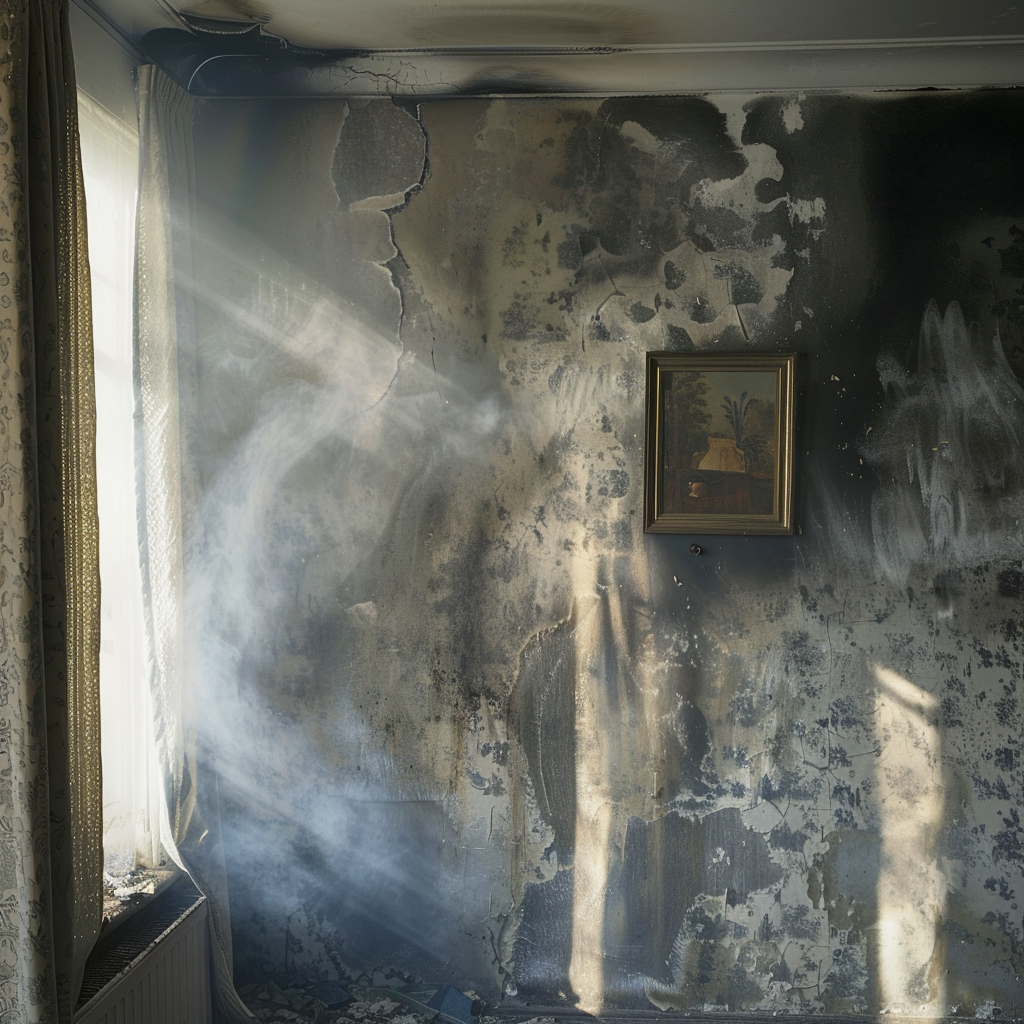
Long-Term Protection Tips Related to Smoke Damage Cleanup in North Miami Beach
Smoke damage cleanup solves the immediate problem. Long-term protection prevents odors, corrosion, and hidden deterioration from returning months later.
In North Miami Beach, the coastal environment adds another layer of complexity. Humidity, salt air, and year-round HVAC use can amplify the effects of smoke residue long after the visible soot has been removed.
Whether the original fire was a small kitchen incident, an electrical malfunction, or a neighboring condo event, the steps taken after cleanup determine whether your property remains stable over time.
Here’s what property owners in North Miami Beach should focus on for lasting protection.
Control Indoor Humidity Year-Round
Humidity is one of the biggest long-term threats after smoke damage cleanup.
Soot residue is acidic. When it absorbs moisture from humid coastal air, it becomes more reactive and more corrosive.
In North Miami Beach, outdoor humidity often exceeds 70%. If indoor levels rise above 60%, residual particles can:
- Reactivate odors
- Corrode metal surfaces
- Discolor painted finishes
- Damage electronics
Maintain indoor humidity between 45% and 55%.
This may require:
- Regular HVAC servicing
- Installing a whole-home dehumidifier
- Monitoring humidity with digital sensors
Humidity control is the foundation of long-term smoke damage protection.
Inspect and Maintain HVAC Systems
Smoke frequently enters duct systems during a fire event.
Even after professional cleaning, HVAC systems require ongoing attention.
Long-term protection includes:
- Replacing air filters regularly
- Scheduling annual HVAC inspections
- Checking for residual odors when the system starts
- Ensuring condensate drain lines remain clear
In North Miami Beach high-rise condos, shared ventilation systems may require coordination with building management.
If duct systems are neglected, trapped soot can circulate again.
Routine inspection keeps indoor air stable.
Monitor for Recurring Odors
After cleanup, odors should not linger.
If smoke smells return during humid days or when the AC starts, moisture may be interacting with residual particles.
Watch for:
- Musty or smoky odors after rainfall
- Strong smells during high humidity
- Odor intensifying in closets or enclosed rooms
Early investigation prevents re-contamination.
Odor reappearance is often an early warning sign.
Protect Metal Fixtures and Appliances
Salt air already accelerates corrosion in waterfront communities near Sunny Isles Beach and Aventura.
After a smoke event, soot residue can combine with salt and humidity to corrode:
- Stainless steel appliances
- Electrical panels
- Light fixtures
- Door hardware
- HVAC components
Wipe down metal surfaces periodically after cleanup.
If corrosion appears, address it quickly to prevent long-term deterioration.
Repaint and Seal Affected Surfaces Properly
Smoke particles can penetrate porous materials such as drywall and wood.
After cleaning, some surfaces require sealing with specialized primers before repainting.
This step prevents:
- Odor bleed-through
- Staining
- Residual discoloration
If repainting is delayed or skipped, odor may return in humid weather.
Sealing surfaces provides a protective barrier against reactivation.
Schedule Post-Cleanup Moisture Inspections
Fire events often involve water from sprinklers or hoses.
Even after visible drying, hidden moisture may remain.
In North Miami Beach’s humid climate, moisture trapped in:
- Ceiling cavities
- Wall insulation
- Flooring assemblies
Can create secondary mold problems.
A follow-up moisture inspection confirms long-term stability.
Preventing mold after smoke damage cleanup is essential.
Maintain Electrical Systems
Smoke particles settle into electrical components.
Corrosion may not be immediate, but over time it can affect:
- Circuit breakers
- Outlets
- Wiring connections
Have electrical systems evaluated after significant smoke exposure.
Early cleaning and inspection prevent future malfunctions.
Salt exposure makes this especially important in coastal neighborhoods.
Clean Soft Surfaces Thoroughly
Upholstery, curtains, and carpets absorb smoke particles easily.
Even after professional cleaning, routine maintenance is important.
In humid coastal environments:
- Odors may resurface
- Fabric fibers may retain residue
- Mold risk increases if moisture returns
Schedule periodic deep cleaning of soft materials if needed.
Maintaining airflow also helps.
Maintain Climate Control in Vacant Units
North Miami Beach includes many seasonal properties and vacation condos.
If a unit remains closed after smoke damage cleanup:
- Humidity may rise
- Residual particles may absorb moisture
- Odors may reappear
Keep climate control active even when unoccupied.
Moderate cooling and humidity regulation prevent recurrence.
Remote monitoring systems offer additional peace of mind.
Coordinate in Multi-Unit Buildings
In high-rise buildings, smoke can travel between units through shared shafts and ventilation systems.
Long-term protection may require:
- Confirming shared ducts were inspected
- Ensuring common areas were cleaned
- Communicating with building management
Smoke damage in one unit can affect adjacent units if not addressed thoroughly.
Coordination prevents recurring contamination.
Act Quickly on Any New Signs
If you notice:
- Discoloration returning
- Odor intensifying
- Corrosion appearing
- AC airflow changes
Schedule inspection immediately.
In coastal climates, delays allow humidity and salt exposure to worsen minor issues.
Quick intervention keeps cleanup effective.
Why Local Coastal Experience Matters
Smoke damage cleanup in North Miami Beach is influenced by:
- Coastal humidity patterns
- Salt air corrosion
- High-rise ventilation systems
- Year-round HVAC operation
- Storm-related power outages
A restoration professional familiar with North Miami Beach, Sunny Isles Beach, Aventura, and nearby waterfront communities understands how these environmental factors affect long-term stability.
Tip Top Water and Fire Damage Restoration has addressed smoke damage throughout these coastal neighborhoods, applying cleanup and protection strategies tailored specifically to South Florida’s climate.
Local knowledge ensures that protection continues long after initial cleanup.
A Practical Long-Term Strategy
Smoke damage cleanup is only the first step.
Long-term protection in North Miami Beach includes:
- Controlling humidity
- Maintaining HVAC systems
- Monitoring for odor recurrence
- Protecting metal surfaces from corrosion
- Inspecting for hidden moisture
- Maintaining climate control year-round
Coastal living near Biscayne Bay brings environmental challenges that do not disappear after a fire.
But with structured maintenance and proactive monitoring, smoke damage does not have to become a recurring issue.
Taking early, consistent steps preserves indoor air quality, protects structural components, and safeguards property value for years to come.
In South Florida’s humid coastal environment, prevention is always more effective than repair.