
Water Damage Repair in Waterfront Properties in Surfside: What to Watch For
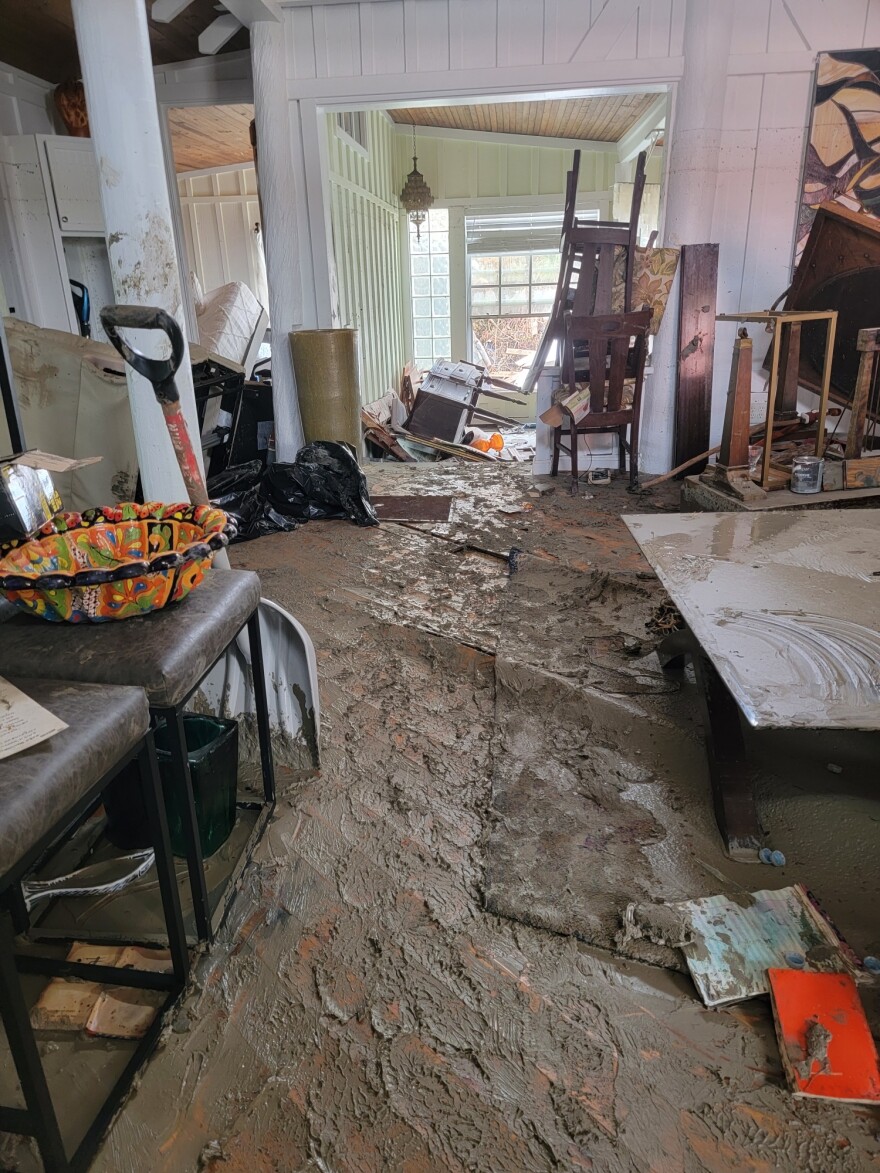
Waterfront living in Surfside offers unmatched views, direct access to the Atlantic Ocean, and a coastal lifestyle that attracts homeowners from around the country. However, owning property along the water also brings increased exposure to environmental risks—particularly water intrusion and structural moisture problems.
Water damage repair in waterfront properties is rarely straightforward. Unlike inland homes, properties along the coast face a combination of salt air, high humidity, storm surge, wind-driven rain, fluctuating tides, and elevated groundwater levels. These conditions can accelerate deterioration and complicate restoration.
Understanding what to watch for can help homeowners act quickly, minimize structural loss, and protect long-term property value.
Why Waterfront Homes in Surfside Face Greater Water Risks
1. Proximity to the Atlantic Ocean
Homes along the shoreline are constantly exposed to moisture-laden air. Salt particles carried by ocean breezes settle on roofs, windows, siding, and HVAC components. Over time, this accelerates:
- Corrosion of metal fixtures
- Degradation of sealants
- Weakening of roofing materials
- Deterioration of window frames
Salt air does not cause flooding directly, but it weakens materials, making them more vulnerable when heavy rain or storms occur.
2. High Water Tables and Ground Saturation
Waterfront properties often sit on land with naturally high groundwater levels. During periods of heavy rain or king tides, groundwater can rise quickly, creating pressure against:
- Foundations
- Slab floors
- Basement or crawlspace walls
Hydrostatic pressure can push moisture through hairline cracks in concrete, leading to chronic dampness that homeowners may not immediately detect.
3. Storm Surge and Coastal Flooding
South Florida’s hurricane season significantly impacts coastal communities. Even if a home is elevated, storm surge and tidal flooding can cause:
- First-floor water intrusion
- Saturated insulation
- Warped flooring
- Electrical system damage
Floodwater often carries contaminants such as sand, debris, and organic material, increasing cleanup complexity.
Early Warning Signs of Water Damage in Waterfront Properties
Prompt detection dramatically reduces repair costs. In Surfside homes near the ocean, watch for the following signs:
Interior Warning Signs
- Bubbling or peeling paint
- Warped wood flooring
- Soft drywall or discoloration
- Musty odors
- Persistent humidity indoors
Moisture trapped inside walls can remain hidden for weeks before visible damage appears.
Exterior Warning Signs
- Cracked stucco
- Gaps around windows and doors
- Loose roof tiles
- Rusted fasteners or flashing
- Pooling water near the foundation
Exterior vulnerabilities often allow water intrusion during wind-driven rain.
Structural Areas Most Vulnerable in Waterfront Homes
1. Foundations and Slabs
Saltwater and groundwater intrusion can slowly weaken concrete. Even reinforced concrete can suffer when exposed to chloride ions from salt, which corrode internal steel rebar.
Signs to watch for:
- Hairline cracks expanding
- Efflorescence (white mineral deposits)
- Damp flooring
Left untreated, foundation issues can become structural concerns.
2. Roofing Systems
Coastal winds place extreme stress on roofing materials. Loose or lifted shingles allow water intrusion that may not become visible until insulation is saturated.
Roof vulnerabilities include:
- Compromised flashing
- Cracked tiles
- Damaged underlayment
Even minor roof leaks can lead to significant interior water damage.
3. Windows and Sliding Glass Doors
Waterfront homes often feature large glass panels to maximize views. However, these systems require strong seals.
Failed seals allow:
- Wind-driven rain penetration
- Frame rot
- Hidden wall cavity moisture
Routine inspection is essential in ocean-facing structures.
4. HVAC Systems
High humidity and salt air affect air conditioning systems. Corroded components may cause:
- Condensate drain backups
- Moisture accumulation
- Ceiling leaks from clogged lines
Water damage sometimes originates from internal systems rather than external flooding.
The Repair Process: What Proper Water Damage Restoration Includes
Effective water damage repair in waterfront homes requires more than drying visible surfaces.
1. Comprehensive Assessment
Professionals evaluate:
- Moisture levels in walls and flooring
- Structural integrity
- Electrical safety
- Mold risk
Moisture meters and thermal imaging tools are often used to detect hidden water pockets.
2. Water Extraction and Debris Removal
If standing water is present, immediate removal is critical. Saltwater must be thoroughly cleaned because it continues to corrode materials even after drying.
Contaminated materials—such as insulation and drywall—may need removal to prevent microbial growth.
3. Structural Drying
High-capacity air movers and dehumidifiers are deployed to stabilize humidity levels. In coastal climates like Surfside, drying can take longer due to ambient humidity.
Without proper drying:
- Wood framing can warp
- Subflooring can delaminate
- Mold growth can begin within 24–48 hours
4. Sanitization and Mold Prevention
Water intrusion in warm climates increases mold risk. Surfaces are cleaned and treated to prevent microbial growth.
Hidden areas behind cabinets and inside wall cavities are particularly vulnerable.
5. Reconstruction and Material Replacement
Repairs may involve:
- Drywall replacement
- Flooring restoration
- Baseboard and trim replacement
- Repainting and finishing
In waterfront properties, materials selected for reconstruction often need improved moisture resistance.
Saltwater vs. Freshwater Damage: Why It Matters
Not all water damage is equal.
Saltwater Damage
- Highly corrosive
- Leaves mineral deposits
- Weakens metal components
- Damages electronics quickly
Salt residue must be completely removed to prevent ongoing deterioration.
Freshwater Damage
Typically from rain or plumbing issues. While still serious, it may be less corrosive if addressed quickly.
Long-Term Risks if Repairs Are Delayed
Water damage in coastal homes worsens rapidly when ignored.
1. Mold Growth
Warm temperatures and humidity create ideal mold conditions. Mold not only damages property but may impact indoor air quality.
2. Structural Rot
Wood framing and support beams can weaken over time. Rot compromises load-bearing capacity and increases repair costs.
3. Electrical Hazards
Water intrusion into wiring or breaker panels can create:
- Short circuits
- Fire risks
- Appliance failure
Professional inspection is critical before re-energizing flooded systems.
4. Decreased Property Value
Surfside real estate carries premium market value. Visible water damage or history of unresolved moisture issues can reduce resale appeal and complicate transactions.
Preventive Strategies for Waterfront Homeowners
Being proactive reduces the need for extensive repairs.
Regular Roof Inspections
Schedule inspections before and after hurricane season.
Seal and Caulk Maintenance
Reapply sealant around:
- Windows
- Doors
- Balconies
- Utility penetrations
Elevation and Drainage Improvements
Ensure proper grading around the home. French drains or sump pumps may be necessary in low-lying lots.
HVAC Maintenance
Keep condensate lines clear and service systems regularly to avoid internal leaks.
Storm Preparation
Before major storms:
- Secure loose roofing materials
- Install storm shutters
- Clear gutters and drains
Insurance Considerations in Coastal Areas
Water damage coverage can vary significantly depending on policy terms.
Homeowners in Surfside should review:
- Flood insurance requirements
- Windstorm deductibles
- Coverage limits for saltwater damage
Flood damage often requires separate policies beyond standard homeowners insurance.
Unique Challenges in Multi-Unit Waterfront Buildings
Many Surfside waterfront properties are part of condominium communities.
Water damage may spread between units through:
- Shared plumbing lines
- Ceiling cavities
- Common walls
Coordination with property management is often necessary for effective restoration.
The Importance of Professional Expertise
Water damage repair in coastal homes requires understanding of:
- Marine environmental impacts
- Salt corrosion patterns
- Elevated humidity control
- Local building codes
Experienced restoration professionals ensure that repairs address both visible damage and underlying structural risks.
Final Thoughts
Living along the water in Surfside offers exceptional lifestyle benefits—but it demands vigilance. Water damage repair in waterfront properties is rarely just about drying wet surfaces. It involves identifying hidden moisture, mitigating corrosion, preventing mold growth, and restoring structural integrity.
By recognizing early warning signs, maintaining exterior systems, and responding quickly after storms or leaks, homeowners can protect both their investment and their peace of mind.
Water and coastal living will always coexist. The key is understanding what to watch for—and taking action before minor moisture issues turn into major structural problems.