
Water Damage Repair in Biscayne Park After Hurricanes: What to Watch For
Hurricane season in South Florida doesn’t just test roofs and windows. In Biscayne Park, where many homes feature older construction, mature landscaping, and slab foundations, hurricanes often leave behind hidden water damage that shows up days — sometimes weeks — later.
Water damage repair after hurricanes is rarely about one obvious issue. It’s about tracking how wind-driven rain, roof stress, clogged drainage, and power outages combine to create moisture problems inside the structure.
If your home in Biscayne Park has experienced a recent storm, here’s what to watch for — and why early repair matters.
Roof Intrusion Is Often Subtle at First
After hurricanes, the most common water damage source is the roof.
High winds can:
- Lift shingles or tiles
- Loosen flashing
- Crack vent seals
- Shift roof penetrations
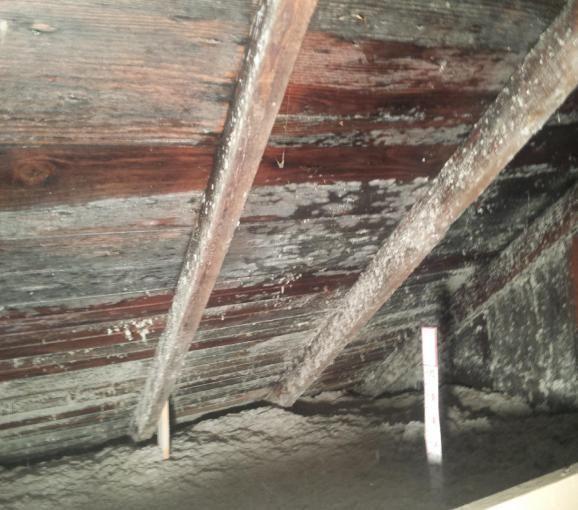
Even if there’s no active dripping, water may have entered the attic.
Watch for:
- Ceiling discoloration
- Faint yellow or brown staining
- Peeling paint
- Soft drywall
In Biscayne Park homes, attic insulation often absorbs water and holds it for days.
Water damage repair should begin with roof stabilization and attic moisture inspection.
Wind-Driven Rain Around Windows and Doors
Hurricanes push rain sideways.
Water frequently enters through:
- Sliding glass doors
- Window seals
- Garage doors
- Exterior wall penetrations
You may notice:
- Warped baseboards
- Damp drywall near window frames
- Bubbling paint
- Musty odors along exterior walls
Because Biscayne Park sits close to Biscayne Bay, wind-driven rain is intense during storms.
Moisture detection tools confirm whether water has traveled behind the surface.
Attic and Ceiling Cavity Moisture
Many homes in Biscayne Park have ductwork and insulation running through attic spaces.
When roof components shift during hurricanes, water may settle into:
- Insulation
- Ceiling cavities
- Around ductwork
Even small amounts of water can lead to mold growth within 24–48 hours in humid South Florida.
After a storm, check for:
- Damp insulation
- Increased indoor humidity
- Odor when AC runs
Water damage repair should include structural drying in attic spaces if moisture is detected.
AC System Issues After Power Outages
Hurricanes often cause extended power outages.
When power returns, HVAC systems may restart under high humidity conditions.
Watch for:
- Condensate drain line clogs
- Overflow in drain pans
- Water near mechanical closets
- Increased humidity indoors
Storm debris can clog exterior drain outlets.
If AC systems back up, additional water damage may occur days after the hurricane passes.
Prompt inspection prevents secondary issues.
Slab Moisture Migration
Biscayne Park homes commonly sit on slab foundations.
After prolonged heavy rain, groundwater levels rise.
Moisture may migrate upward through concrete.
Signs include:
- Warped wood flooring
- Damp carpet padding
- Musty smells near baseboards
- Elevated indoor humidity
Slabs dry slowly in humid environments.
Professional moisture monitoring ensures flooring is not reinstalled before stabilization.
Tree Damage and Exterior Wall Intrusion
Biscayne Park is known for large trees and lush landscaping.
During hurricanes, fallen branches may:
- Damage siding
- Crack stucco
- Loosen window frames
- Compromise roof edges
Even small exterior breaches allow rain into wall cavities.
If tree impact occurred, inspect interior walls near impact zones carefully.
Water damage repair often includes addressing these hidden entry points.
Musty Odors After the Storm
Odor is one of the earliest signs of hidden moisture.
If your home smells musty days after a hurricane, moisture may be trapped inside:
- Drywall
- Insulation
- Flooring
- HVAC systems
Ignoring odor often leads to mold remediation later.
Water damage repair should include moisture mapping to locate hidden damp areas.
Electrical Component Exposure
Water intrusion during hurricanes may reach:
- Electrical panels
- Outlets
- Light fixtures
- Appliances
Salt exposure combined with moisture accelerates corrosion.
Have electrical systems inspected if flooding occurred.
Early detection prevents long-term safety issues.
Delayed Mold Growth
In South Florida’s climate, mold can begin forming quickly.
However, visible growth may not appear immediately.
After hurricanes, monitor for:
- Dark spotting on drywall
- Increased allergy-like symptoms
- Persistent humidity above 60%
- Odor intensifying when AC runs
Water damage repair that does not include thorough drying increases mold risk.
The Structured Water Damage Repair Process
Proper repair after hurricanes typically includes:
- Source stabilization (roof, windows, exterior seals)
- Moisture detection and mapping
- Removal of saturated materials
- Industrial dehumidification
- Air movement for structural drying
- HVAC inspection
- Mold risk evaluation
- Controlled reconstruction
Surface repairs without drying are not sufficient.
Verification through moisture readings ensures long-term stability.
Insurance Documentation Matters
Hurricane-related water damage often involves insurance claims.
Proper documentation includes:
- Photos of affected areas
- Moisture readings
- Drying logs
- Removal records
Early professional assessment protects property owners during the claims process.
Waiting may complicate coverage.
Preventive Steps Before the Next Storm
After completing water damage repair, reduce future risk by:
- Inspecting roofs annually
- Sealing windows and doors
- Cleaning gutters and drains
- Trimming trees near structures
- Maintaining AC drain lines
- Monitoring indoor humidity
Preventive maintenance lowers the chance of repeat damage next hurricane season.
Why Local Coastal Experience Matters
Water damage repair in Biscayne Park requires understanding:
- Wind-driven rain patterns
- Slab moisture migration
- Salt air corrosion
- Attic duct vulnerabilities
- Hurricane-related structural stress
A restoration professional familiar with Biscayne Park, North Miami, Miami Shores, and nearby bayfront communities recognizes how these environmental pressures affect homes.
Tip Top Water and Fire Damage Restoration has addressed hurricane-related water damage throughout these neighborhoods, applying drying and repair strategies tailored specifically to South Florida’s coastal climate.
Local knowledge ensures repairs are thorough and durable.
A Practical Perspective
Hurricanes rarely cause only one type of water damage.
In Biscayne Park, storms can affect roofs, windows, slabs, HVAC systems, and exterior walls simultaneously.
Watch for:
- Ceiling staining
- Warped flooring
- Musty odors
- Damp insulation
- Elevated humidity
Acting within the first 24–48 hours reduces mold risk and structural deterioration.
Water damage repair after hurricanes is not just about fixing visible problems — it’s about confirming that hidden moisture has been fully addressed.
In South Florida’s humid coastal environment, early detection and structured repair protect both property value and long-term structural integrity.
Storms are inevitable. Lasting damage is not — if handled correctly.