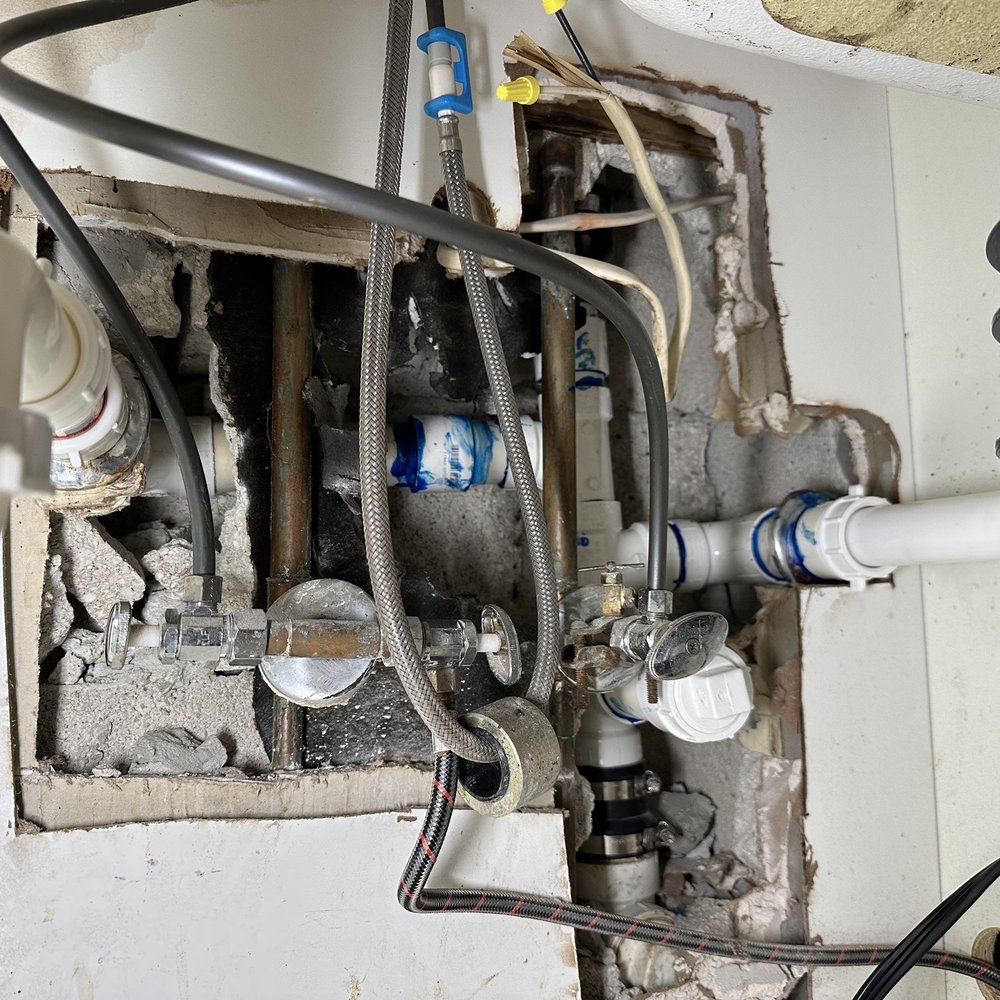
What Homeowners Often Overlook: Water Leak Detection Challenges in North Miami Beach
Water leaks are a silent threat in coastal communities like North Miami Beach. Even small leaks can lead to structural damage, mold growth, and compromised indoor air quality if not detected early. Yet many homeowners overlook subtle warning signs or underestimate the complexity of finding hidden water issues. Understanding the unique challenges in North Miami Beach homes can help prevent costly repairs and preserve the long-term value of a property.
This guide explores the common obstacles to effective water leak detection, the areas most at risk, and practical strategies homeowners can implement to protect their homes.
Why Water Leaks Are Particularly Sneaky in North Miami Beach
North Miami Beach properties face specific environmental and structural conditions that make leaks difficult to detect.
1. Coastal Humidity
The coastal air along Biscayne Bay brings persistent humidity. Even when rainfall is minimal, high moisture levels can saturate building materials over time. This creates hidden dampness inside walls, ceilings, and floors, which is often invisible until it causes mold or structural damage.
2. Aging Plumbing Systems
Many homes in North Miami Beach were built decades ago. Older plumbing may include galvanized pipes, deteriorating copper fittings, and worn connections. Even modern homes are susceptible to leaks from appliances, water heaters, or poorly installed fixtures. Small leaks in these systems can persist unnoticed for months.
3. AC Condensation Issues
Air conditioning systems operate year-round in South Florida, producing condensation that must be properly drained. Clogged drain lines or damaged drip pans can leak water into walls, ceilings, or subfloor areas, creating hidden moisture that homeowners rarely see.
4. Storms and Flooding
Tropical storms, heavy rains, and occasional hurricanes drive water into vulnerable areas such as:
- Roof flashings
- Window and door seals
- Low-lying slabs
- Landscaping near foundations
Wind-driven rain often penetrates structures in ways that are not immediately visible, leading to hidden leaks.
Commonly Overlooked Signs of Water Leaks
Many homeowners focus only on obvious dripping pipes or puddles. In reality, leaks are often subtle and easy to miss.
1. Interior Signs
- Bubbling or peeling paint
- Warped wood or tile flooring
- Stains on ceilings or walls
- Musty or damp odors
- Higher-than-normal indoor humidity
2. Exterior Signs
- Cracked stucco or siding
- Rust on exterior metal fixtures
- Loose roof tiles or shingles
- Pooling water near foundations or patios
Even minor issues, if left unaddressed, can evolve into major water intrusion problems.
Hidden Leak Sources in North Miami Beach Homes
Homeowners often underestimate where leaks can originate. Common hidden sources include:
- Plumbing Lines: Pipes running behind walls or under slab foundations
- Appliances: Dishwashers, washing machines, ice makers, and water heaters
- AC Systems: Condensate lines, drip pans, and ductwork
- Roofing and Flashing: Minor gaps or cracks can allow water into attics or wall cavities
- Windows and Doors: Failed seals or caulking let wind-driven rain infiltrate walls
Leaks rarely stay confined to the initial point of entry. Water may travel along framing or through insulation before becoming visible, making early detection essential.
Tools and Techniques for Professional Leak Detection
Modern leak detection uses advanced technology to find hidden water before it causes damage.
Moisture Meters
These devices measure water content in drywall, wood, and concrete. Elevated readings can identify damp areas that appear dry on the surface.
Thermal Imaging Cameras
Infrared cameras reveal temperature differences caused by moisture, allowing inspectors to pinpoint hidden leaks behind walls and ceilings.
Acoustic Leak Detectors
These tools detect the sound of water moving through pressurized pipes. They are especially useful for slab or underground plumbing systems.
Hygrometers
By measuring indoor humidity, hygrometers help assess whether environmental conditions are favorable for mold growth.
Video Inspection Tools
Small cameras inserted into drains or wall cavities allow visual confirmation of leaks without major demolition.
Professional companies like Tip Top Water and Fire Damage Restoration combine these techniques for accurate, non-invasive assessments.
Challenges Specific to North Miami Beach Homes
Even with advanced tools, certain conditions make leak detection more difficult:
1. Slab Foundations
Slab-on-grade homes hide plumbing lines beneath concrete floors. Leaks may remain undetected until flooring shows warping or moisture reaches the surface.
2. High-Rise Condominiums
Shared plumbing and vertical duct systems in multi-unit buildings can cause water to travel between units, making the source difficult to trace.
3. Coastal Weather and Salt Exposure
Salt-laden air can accelerate corrosion in plumbing and AC systems. Corrosion may cause slow leaks that are intermittent or difficult to detect with standard visual inspection.
4. Concealed AC Condensation
Condensate leaks may drip behind walls or under cabinets. Residents may notice musty odors but no visible water, delaying identification and repair.
Why Quick Detection Matters
Water damage progresses quickly, particularly in humid coastal climates. Undetected leaks can lead to:
- Mold growth, which begins within 24–72 hours of moisture accumulation
- Structural deterioration of wood, drywall, or concrete
- Warping or delamination of flooring
- Corrosion of metal components
- Decreased indoor air quality
Early detection reduces repair costs, limits the extent of remediation, and helps prevent mold-related health concerns.
Preventive Measures Homeowners Can Take
While some leaks require professional intervention, homeowners can adopt preventive strategies:
Plumbing Maintenance
- Inspect pipes, fittings, and valves regularly
- Replace aging water heaters and fixtures
- Ensure shutoff valves are functional and accessible
AC and HVAC Maintenance
- Clean condensate lines and drip pans
- Replace filters regularly
- Schedule annual HVAC inspections
- Ensure duct insulation is intact and dry
Roof and Exterior Care
- Inspect flashing, shingles, and seals before hurricane season
- Clear gutters and downspouts to prevent water accumulation
- Maintain window and door seals
Subfloor and Foundation Monitoring
- Watch for soft spots, warping, or discoloration in flooring
- Install moisture barriers if necessary
- Grade landscaping to direct water away from foundations
Benefits of Professional Water Leak Detection
Engaging a professional ensures:
- Accurate identification of hidden leaks
- Use of advanced detection technology
- Early intervention to prevent structural and mold issues
- Minimized disruption to the home during inspection
- Targeted remediation strategies
Local expertise, especially in North Miami Beach, accounts for the area’s high humidity, slab foundations, and coastal weather patterns.
Practical Takeaways for Homeowners
- Pay attention to subtle warning signs—don’t wait for visible water.
- Schedule regular inspections, particularly for older homes or high-rise units.
- Maintain HVAC systems and plumbing proactively to prevent leaks.
- Use professional detection tools after storms or if a leak is suspected.
- Act quickly to prevent mold, structural damage, and costly repairs.
Conclusion
Water leaks in North Miami Beach homes are often overlooked but can cause serious long-term problems. Hidden leaks, whether from plumbing, AC systems, or storm-driven intrusion, may remain undetected until damage becomes visible and costly. Understanding the unique challenges of coastal properties, recognizing early warning signs, and combining preventive maintenance with professional leak detection can safeguard your home’s structure, indoor air quality, and property value.
By being proactive and informed, homeowners in North Miami Beach can prevent minor water issues from turning into major problems, ensuring a safe, healthy, and well-maintained home for years to come.