Moisture Detection in Coastal Neighborhoods Near Biscayne Bay: Real-World Observations from Local Properties
Living near the water has its advantages. Coastal breezes, open views, and the relaxed pace of bayfront life make neighborhoods along Biscayne Bay some of the most desirable places to own property. But for homeowners and property managers, that same waterfront environment creates a constant, often invisible challenge: moisture.
Unlike obvious leaks or flooding, moisture problems in coastal homes tend to develop quietly. They hide behind walls, under floors, inside ceilings, and within air conditioning systems. By the time visible damage shows up, the issue has usually been active for weeks or months.
That’s why moisture detection has become one of the most important preventative services for homes near the bay. From North Miami to North Miami Beach, and across communities like Aventura, Surfside, Bal Harbour, Miami Shores, and Biscayne Park, early detection routinely prevents small issues from turning into major repairs.
After years of working inside these homes, one thing is clear: moisture is rarely dramatic at first. It’s subtle, slow, and persistent. And without the right tools and experience, it’s easy to miss.
What Moisture Detection Really Means
Moisture detection isn’t just looking for puddles or obvious leaks.
It’s a systematic process of identifying hidden water inside building materials before visible damage occurs.
Professionally, this involves:
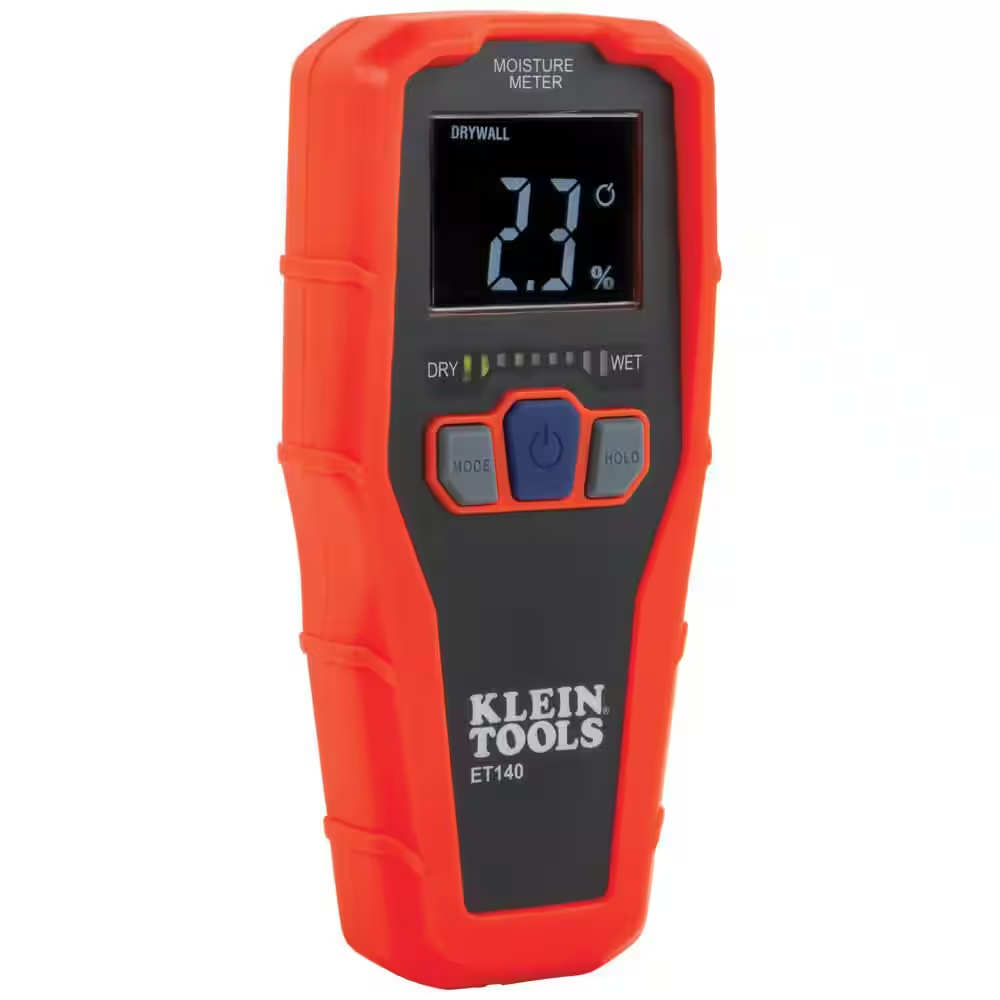
- Moisture meters
- Thermal imaging cameras
- Hygrometers
- Infrared scanning
- Visual inspections of vulnerable areas
These tools allow technicians to “see” inside walls, ceilings, and floors where trapped water often sits unnoticed.
In coastal homes, this step is critical because moisture rarely stays on the surface. It migrates into framing, drywall, insulation, and subfloors.
Why Coastal Neighborhoods Near the Bay Have Higher Moisture Risk
Persistent Humidity
The air near Biscayne Bay is naturally humid year-round. Even on sunny days, moisture levels remain elevated.
When warm, humid air enters a cooler home, condensation forms on:
- Ductwork
- Walls
- Pipes
- Windows
- Tile floors
Over time, that condensation seeps into materials.
Unlike rainfall, this process happens daily, slowly adding moisture load to the home.
Salt-Heavy Air
Coastal air carries fine salt particles that cling to surfaces and hold moisture longer.
Salt does two things:
- Attracts water
- Slows drying
This combination means damp areas stay damp longer, increasing the chance of mold growth and material deterioration.
We often see this inside attics and crawl spaces where airflow is limited.
Seasonal Storms and Heavy Rains
Summer storms dump large volumes of water in short periods. Even when roofs and windows appear intact, small breaches allow water to infiltrate.
Common intrusion points include:
- Window frames
- Sliding glass doors
- Roof penetrations
- Wall seams
- Foundation joints
After storms, moisture often gets trapped inside wall cavities, where it can’t evaporate easily.
Without detection equipment, these wet zones remain hidden.
Real-World Observations from Local Properties
Working inside bayfront homes reveals patterns that repeat again and again.
Attic condensation buildup
In many homes, the attic feels dry at first glance. But moisture meters often show elevated readings on insulation and rafters.
Cause: humid air meeting cooler roof decking overnight.
Result: slow mold growth and wood deterioration.
Wet drywall behind baseboards
A common scenario involves no visible leak, yet moisture is found along lower walls.
Cause: small plumbing leaks or slab moisture migration.
Result: hidden mold colonies and drywall softening.
AC closets and air handlers
Air conditioning systems create condensation constantly. If drain lines clog or insulation degrades, moisture accumulates quickly.
We frequently detect:
- Damp drywall
- Mold around air handlers
- Rusted drain pans
- Elevated humidity nearby
These small mechanical issues often go unnoticed until odors develop.
Window and door perimeters
Coastal storms push rain sideways. Water seeps into tiny gaps around frames.
Moisture readings around windows are among the most common discoveries in bayfront homes.
Over time this leads to:
- Swollen trim
- Paint bubbling
- Soft framing
- Mold behind drywall
Common Signs Homeowners Notice First
By the time homeowners call for help, there are usually subtle warning signs.
These include:
- Musty smells
- Peeling paint
- Warped flooring
- Small ceiling stains
- Increased indoor humidity
- Allergy-like symptoms
- AC running constantly
The key point: these symptoms rarely point directly to the source.
Moisture detection helps trace the origin rather than just addressing the symptom.
Hidden Areas Where Moisture Often Hides
In coastal homes, problems rarely occur in open areas. They develop in concealed spaces.
Behind cabinets and vanities
Small plumbing drips slowly soak backing boards.
Under tile floors
Moisture gets trapped in concrete slabs.
Inside duct insulation
Condensation forms inside flexible ducts.
Crawl spaces
Poor ventilation traps damp air.
Behind shower walls
Grout cracks allow water seepage.
These are areas homeowners almost never inspect on their own.
Why DIY Detection Usually Misses the Problem
Homeowners often rely on:
- Touch
- Visual checks
- Household humidity meters
But moisture can exist deep inside materials long before it becomes visible.
For example:
Drywall may feel dry on the surface while insulation behind it is saturated.
By the time staining appears, the problem has progressed significantly.
Professional-grade tools detect changes that human senses simply can’t.
How Professional Moisture Detection Works
A thorough inspection follows a clear process.
Step 1: Interview and history
Understanding when symptoms started and where issues appear.
Step 2: Visual walkthrough
Looking for patterns, discoloration, or material changes.
Step 3: Meter readings
Checking walls, floors, and ceilings for elevated moisture.
Step 4: Infrared scanning
Identifying cold spots that suggest hidden dampness.
Step 5: Humidity testing
Evaluating indoor air moisture levels.
Step 6: Mapping affected areas
Documenting findings to guide repairs.
This methodical approach avoids guesswork and limits unnecessary demolition.
The Link Between Moisture and Mold
In coastal Florida, mold growth doesn’t require flooding.
It only needs:
- Moisture
- Organic material
- Warm temperatures
These conditions exist in nearly every home near the bay.
That’s why even small hidden leaks can quickly lead to mold colonies inside walls or ducts.
Early detection stops the cycle before remediation becomes necessary.
Water Damage Repair and Restoration After Detection
When moisture is found, the next steps may include:
- Water extraction
- Targeted drying
- Dehumidification
- Removing damaged materials
- Mold cleaning
- Leak repairs
Addressing moisture early often keeps repairs small and contained.
Waiting months can turn a simple fix into a larger restoration project.
AC Systems and Moisture Challenges
Air conditioning is essential in South Florida, but it’s also a moisture source.
Every AC unit produces condensation.
If:
- Drain lines clog
- Insulation fails
- Ducts sweat
- Airflow is restricted
Moisture builds up quickly.
Many indoor air quality issues trace back to AC-related moisture problems.
Routine inspections help catch these early.
Preventative Steps for Bayfront Homes
While professional inspections are key, homeowners can reduce risk with consistent maintenance.
Helpful practices include:
- Replace HVAC filters regularly
- Keep indoor humidity below 55%
- Inspect windows after storms
- Check under sinks monthly
- Maintain AC drain lines
- Seal exterior gaps
- Schedule annual inspections
These small habits significantly reduce long-term damage.
Why Local Experience Matters
Coastal homes behave differently than inland properties.
Technicians familiar with the local environment understand:
- Where moisture hides most often
- How salt air affects materials
- How storm patterns influence intrusion
- Which building designs trap humidity
This local knowledge improves detection accuracy.
Professionals at Tip Top Water and Fire Damage Restoration regularly work in North Miami, North Miami Beach, Aventura, Miami Shores, Surfside, Bal Harbour, and Biscayne Park. That hands-on regional experience helps identify problems faster and more precisely.
A Calm, Practical Next Step
Moisture problems don’t always announce themselves loudly. Most develop slowly and quietly.
If your home feels damp, smells musty, or simply hasn’t been checked in years, a professional moisture inspection provides clarity and peace of mind.
It’s not about reacting to damage — it’s about preventing it.
In coastal neighborhoods near Biscayne Bay, early detection is one of the simplest ways to protect your home, indoor air, and long-term property value.