
Water Leak Detection in Bayfront Homes in North Miami: A Practical Home Maintenance Guide
Bayfront homes in North Miami offer open views of Biscayne Bay, steady coastal breezes, and strong long-term value. But proximity to water also means constant environmental pressure. High humidity, salt-laden air, wind-driven rain, elevated groundwater, and year-round air conditioning all increase the likelihood of hidden water leaks.
Most leaks in waterfront homes don’t begin with a dramatic pipe burst. They start quietly — behind walls, under flooring, inside ceiling cavities, or around window frames. By the time staining or odor appears, moisture may already be widespread.
Water leak detection in bayfront properties is not just emergency response. It’s practical home maintenance. Here’s how North Miami homeowners can approach it the right way.
Why Bayfront Homes Face Higher Leak Risk
Homes near Biscayne Bay deal with conditions inland properties don’t:
- Wind-driven rain from open water
- Salt corrosion of metal components
- Higher groundwater levels
- Slab-on-grade construction
- Continuous HVAC operation
- Seasonal storms and hurricanes
These factors create multiple potential entry points for water.
Understanding these risks is the first step toward effective leak detection.
Step 1: Monitor Indoor Humidity
Humidity often reveals problems before visible damage appears.
In North Miami, indoor humidity should remain between 45% and 55%.
If levels consistently exceed 60%, moisture may be entering through:
- Slab foundations
- Window seals
- Roof penetrations
- Plumbing leaks
- AC drainage issues
Digital humidity monitors provide early warning.
Sudden changes should not be ignored.
Step 2: Inspect Ceilings and Upper Corners
Water intrusion from wind-driven rain or roof stress often appears first in ceilings.
Look for:
- Faint yellow or brown stains
- Peeling paint
- Soft drywall
- Discoloration near recessed lighting
Bayfront homes experience intense storm exposure.
Even minor flashing shifts during hurricanes can allow small but persistent leaks.
Leak detection often begins with careful ceiling inspection.
Step 3: Check Around Windows and Sliding Doors
Sliding glass doors and large windows are common in waterfront properties.
Salt air gradually weakens:
- Caulking
- Weatherstripping
- Fasteners
- Balcony thresholds
Wind-driven rain can enter through small gaps.
Signs of intrusion include:
- Warped baseboards
- Bubbling paint
- Damp drywall near frames
- Musty odors along exterior walls
Annual inspection of seals reduces long-term risk.
Step 4: Evaluate Slab Foundations
Many North Miami bayfront homes sit on concrete slabs.
After prolonged rainfall or king tides, groundwater levels rise.
Moisture may migrate upward through concrete.
Watch for:
- Warped hardwood flooring
- Loose tiles
- Damp carpet edges
- Musty smells near floor level
Professional moisture detection tools measure slab dampness accurately.
Without testing, slab moisture may be mistaken for plumbing leaks.
Step 5: Inspect Plumbing Connections Regularly
Corrosion from salt air accelerates wear on plumbing components.
Check:
- Under-sink supply lines
- Water heater fittings
- Refrigerator lines
- Washing machine hoses
- Outdoor spigots
Small drips often go unnoticed in cabinet spaces.
Routine inspection prevents gradual moisture buildup.
Replacing aging supply hoses is inexpensive compared to repair costs.
Step 6: Maintain HVAC Drainage Systems
Air conditioning systems remove large volumes of moisture daily.
Clogged condensate lines are a common source of hidden leaks in North Miami waterfront homes.
Inspect for:
- Rusted drain pans
- Overflow near air handlers
- Damp insulation
- Increased humidity indoors
Flushing drain lines regularly prevents backup.
Leak detection often reveals AC drainage issues rather than pipe failures.
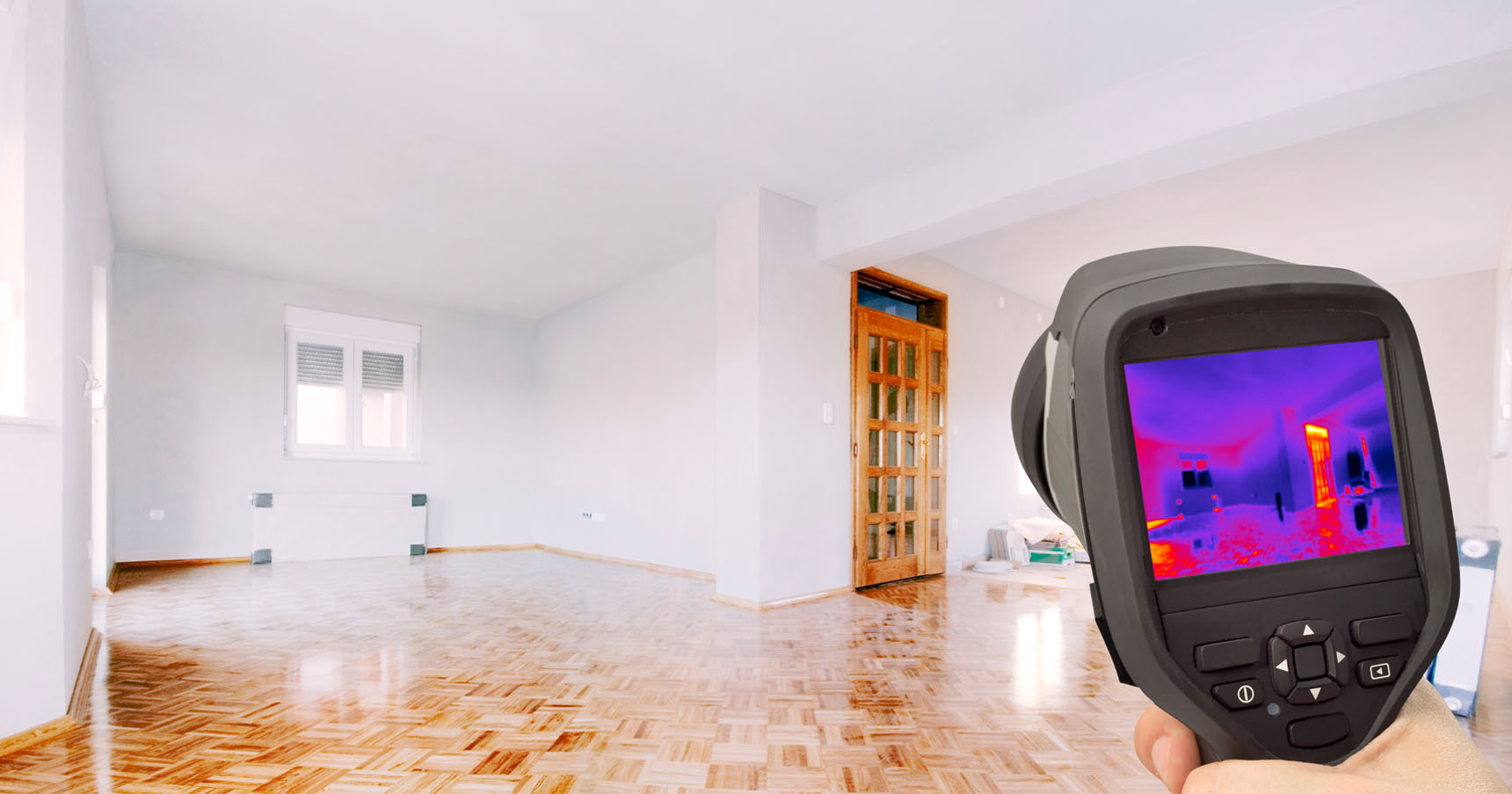
Step 7: Use Thermal Imaging and Moisture Meters
Professional leak detection relies on calibrated tools.
Thermal imaging cameras identify temperature differences caused by hidden moisture.
Moisture meters confirm elevated levels inside:
- Drywall
- Wood framing
- Flooring
- Concrete slabs
These tools allow non-invasive investigation.
Guesswork often leads to unnecessary demolition.
Step 8: Install Smart Leak Detection Devices
Technology adds another layer of protection.
Place sensors:
- Under sinks
- Near water heaters
- In AC closets
- Behind appliances
Remote monitoring is especially useful for seasonal or vacation properties.
Immediate alerts reduce damage dramatically.
In waterfront homes, early awareness is critical.
Step 9: Schedule Annual Post-Storm Inspections
After hurricane season, inspect the property even if no obvious flooding occurred.
Storm-related shifts can affect:
- Roof flashing
- Window seals
- Attic insulation
- Exterior penetrations
Moisture may enter without visible interior damage.
Preventive inspections reduce long-term restoration costs.
Step 10: Act Immediately on Warning Signs
Do not ignore:
- Sudden increases in water bills
- Persistent musty odors
- Soft drywall
- Warped flooring
- Elevated humidity
In South Florida’s climate, small leaks escalate quickly.
Early intervention prevents mold growth and structural deterioration.
The Structured Leak Detection Process
When professional detection is required, it typically includes:
- Reviewing property history and recent weather events
- Conducting a visual inspection
- Mapping moisture levels
- Using thermal imaging
- Pressure testing plumbing if necessary
- Inspecting roof and exterior seals
- Evaluating HVAC systems
Each step confirms the true source.
Accurate detection prevents repeated repairs.
Why Local Coastal Experience Matters
Water leak detection in North Miami bayfront homes requires understanding:
- Wind-driven rain patterns
- Salt air corrosion
- Slab moisture migration
- High humidity drying challenges
- HVAC performance in coastal climates
A restoration professional familiar with North Miami, Miami Shores, Biscayne Park, Aventura, and nearby waterfront neighborhoods recognizes how these environmental pressures interact.
Tip Top Water and Fire Damage Restoration has provided leak detection services throughout these coastal communities, applying inspection strategies tailored to South Florida’s conditions.
Local expertise improves accuracy and reduces unnecessary disruption.
A Practical Maintenance Perspective
Water leak detection in bayfront homes is not reactive — it is preventive maintenance.
North Miami waterfront properties face constant environmental stress.
Effective long-term protection includes:
- Monitoring humidity
- Inspecting seals annually
- Maintaining HVAC systems
- Checking plumbing connections
- Monitoring slab moisture
- Using detection technology
- Scheduling post-storm inspections
Small vulnerabilities are easier to fix than large restoration projects.
In coastal South Florida, early detection protects structural integrity, indoor air quality, and property value.
Bayfront living offers extraordinary views — but it requires consistent vigilance.
With a structured leak detection plan, waterfront homeowners can stay ahead of moisture and avoid costly surprises.