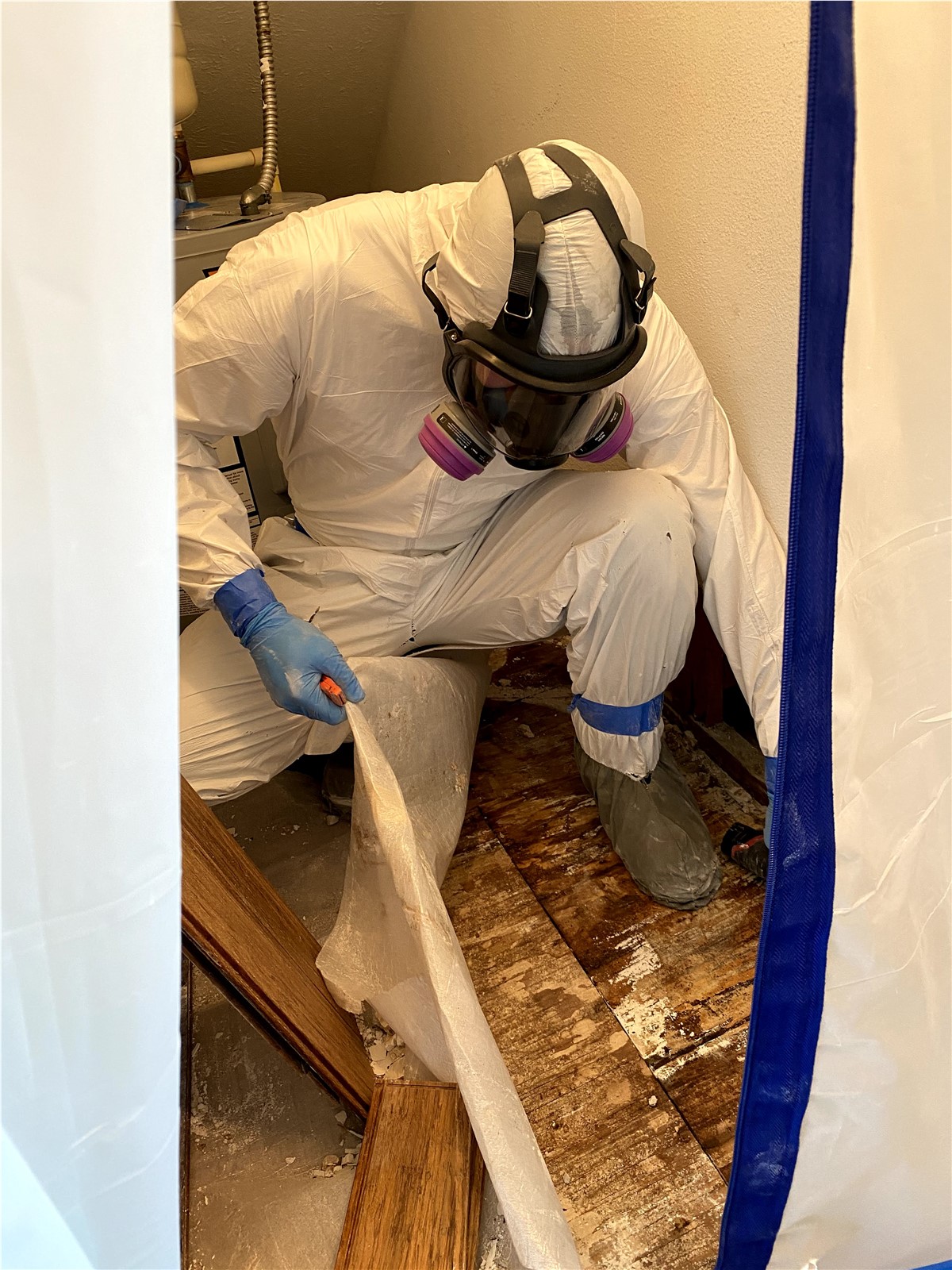
A Property Owner’s Guide to Water Damage Repair in Bal Harbour
Water damage is a pressing concern for property owners in Bal Harbour. Coastal living offers stunning ocean views and luxurious amenities, but the area’s humidity, seasonal storms, and proximity to saltwater create unique challenges for maintaining residential and commercial properties. From minor leaks to flood events, water intrusion can compromise structural integrity, promote mold growth, and negatively impact indoor air quality.
This guide explores water damage repair in Bal Harbour, offering property owners a comprehensive understanding of common causes, warning signs, professional repair strategies, and preventive measures tailored to the local environment.
Why Water Damage Is a Concern in Bal Harbour
Bal Harbour properties are vulnerable to water damage due to environmental and structural factors:
1. Coastal Climate and Humidity
High humidity levels, often above 60%, create persistent moisture in walls, ceilings, and flooring. Even minor leaks or condensation from air conditioning systems can contribute to long-term water damage if left untreated.
2. Stormwater and Flood Risk
Summer thunderstorms and occasional hurricanes can cause sudden water intrusion through roofs, windows, doors, and foundations. Properties near canals or direct waterfront areas face additional risks from storm surges.
3. Aging Infrastructure
Older homes and high-rise buildings may have aging plumbing, roof systems, or slab foundations. These structural elements can allow water to seep into interior spaces without immediate detection.
4. HVAC and Condensation Issues
Air conditioning units generate condensation, which, if not properly drained, can saturate floors, walls, and ceilings. Moisture from HVAC systems is often a hidden source of water damage.
Common Sources of Water Damage in Bal Harbour Properties
Understanding typical water intrusion sources helps property owners act promptly:
- Roof Leaks: Damaged shingles, flashing, or vents allow rainwater into attics and ceilings.
- Plumbing Failures: Burst pipes, leaking fixtures, and faulty water heaters are frequent causes of interior flooding.
- AC Condensate Overflow: Blocked condensate lines or full drip pans lead to water pooling in living areas.
- Flooding and Storm Surges: Coastal storms can push water into garages, lower floors, and outdoor living spaces.
- Window and Door Failures: Improper seals and weatherproofing allow water to enter during heavy rain or high tides.
Signs of Water Damage
Property owners should monitor for subtle and obvious indicators of water intrusion:
- Damp or spongy flooring
- Water stains, bubbling paint, or warped walls
- Musty or moldy odors
- Visible mold or mildew growth
- Discoloration on ceilings or baseboards
- Softening wood or swollen cabinetry
Early detection is key to preventing structural damage and mold proliferation.
Steps for Effective Water Damage Repair
Professional water damage repair in Bal Harbour involves a structured process that addresses both visible and hidden moisture:
Step 1: Inspection and Assessment
- Determine the source, extent, and severity of water intrusion
- Identify high-risk areas such as attics, crawlspaces, and HVAC systems
- Use moisture meters, thermal imaging, and hygrometers to detect hidden water
Step 2: Water Removal
- Employ high-capacity water extraction equipment for standing water
- Remove water from carpets, padding, and flooring sublayers
- Ensure all affected areas are addressed to prevent residual moisture pockets
Step 3: Drying and Dehumidification
- Use air movers, fans, and dehumidifiers to eliminate moisture
- Monitor drying progress with moisture meters to ensure safe levels
- Pay special attention to hidden spaces, including wall cavities and crawlspaces
Step 4: Sanitization and Mold Prevention
- Apply antimicrobial treatments to prevent mold and bacterial growth
- Treat structural elements such as wood, drywall, and insulation if necessary
- Clean HVAC systems exposed to water to prevent recirculation of spores
Step 5: Structural Repairs
- Replace damaged drywall, flooring, or insulation
- Repair or reinforce structural components affected by water
- Ensure all systems, including plumbing and AC, are functioning properly
Step 6: Verification and Post-Repair Inspection
- Conduct a final assessment to ensure moisture has been removed
- Verify that all repairs are complete and structural integrity is restored
- Offer recommendations for ongoing maintenance and moisture prevention
Hidden Areas That Require Attention
Bal Harbour homes often contain areas where water damage can go undetected:
- Under Cabinets and Appliances: Leaks from sinks or refrigerators can saturate flooring.
- Crawlspaces and Slab Foundations: Water may collect beneath slabs or in crawlspaces, requiring specialized detection.
- Attics and Ceilings: Roof leaks or condensation can compromise insulation and structural components.
- HVAC Systems: Moisture inside ducts or drip pans can contribute to indoor air contamination.
Using professional moisture detection tools ensures these hidden areas are addressed effectively.
Challenges Specific to Bal Harbour Properties
- Coastal Weather: High humidity slows drying and increases the risk of mold regrowth.
- High-Rise and Multi-Level Homes: Water can travel between floors, complicating repair and remediation.
- Slab Foundations: Leaks beneath concrete slabs are challenging to detect and repair.
- Luxury Finishes: Hardwood, tile, and specialized building materials require careful handling during water removal.
Local expertise is critical in navigating these challenges successfully.
Preventing Future Water Damage
Once repairs are complete, property owners can reduce recurrence with preventive strategies:
- Routine Inspections: Regularly check roofs, plumbing, and AC systems.
- Humidity Control: Maintain indoor humidity below 50% using dehumidifiers or AC systems.
- Prompt Leak Repairs: Address plumbing, roof, or window leaks immediately.
- HVAC Maintenance: Ensure condensate lines and drip pans are functioning properly.
- Flood-Resistant Landscaping: Grade soil and install proper drainage to divert water away from foundations.
Preventive measures minimize the risk of costly repairs and mold growth in the future.
The Importance of Professional Expertise
Companies like Tip Top Water and Fire Damage Restoration bring specialized knowledge and equipment to Bal Harbour water damage repairs:
- Familiarity with local climate, humidity, and coastal weather impacts
- Expertise in moisture detection, extraction, and drying techniques
- Safe remediation practices to prevent mold and structural damage
- Guidance for preventive measures to protect homes from future water intrusion
Professional service ensures that water damage is addressed thoroughly and safely, reducing long-term risks for property owners.
Conclusion
Water damage repair in Bal Harbour requires early detection, thorough water removal, drying, and structural restoration. The area’s humid climate, coastal storms, and aging infrastructure make properties particularly susceptible to hidden water intrusion and mold growth.
Property owners and managers who understand common sources of water damage, employ professional inspection and remediation strategies, and implement preventive measures can safeguard their investment, maintain indoor air quality, and protect structural integrity.
By partnering with experienced local professionals and proactively addressing moisture issues, Bal Harbour properties remain resilient, comfortable, and secure—even in the face of Florida’s coastal weather challenges.