
Water Damage Repair in Coastal Neighborhoods Near Biscayne Bay: What Homeowners Often Overlook
Water damage in coastal neighborhoods near Biscayne Bay rarely looks dramatic at first. A small ceiling stain. Slightly warped baseboards. A faint musty smell after a storm. Nothing that seems urgent.
But in North Miami, Miami Shores, Biscayne Park, Aventura, Surfside, and other bayfront communities, small water issues rarely stay small.
Humidity stays high. Salt air accelerates deterioration. Slab foundations hold moisture longer. HVAC systems run constantly. All of that means water damage repair in coastal properties involves more than patching drywall or repainting ceilings.
Here’s what homeowners near Biscayne Bay often overlook — and why those details matter.
Overlooked Issue #1: Hidden Moisture Behind Walls
Many property owners focus on visible staining.
But in coastal environments, water often travels inside wall cavities before showing signs.
Common sources include:
- Wind-driven rain entering around windows
- Minor roof flashing gaps
- Plumbing leaks inside walls
- Balcony threshold intrusion
By the time discoloration appears, insulation and framing may already be damp.
Water damage repair should always begin with moisture mapping — not surface patching.
Overlooked Issue #2: Slab Foundations Holding Moisture
Homes near Biscayne Bay frequently sit on slab foundations.
After heavy rainfall or king tides, groundwater levels rise.
Moisture may migrate upward through concrete.
Signs include:
- Warped hardwood floors
- Loose tile
- Damp carpet edges
- Musty smells near baseboards
Surface drying does not remove slab moisture.
Reinstalling flooring before moisture levels stabilize leads to repeat damage.
Monitoring slab conditions is essential in coastal repairs.
Overlooked Issue #3: HVAC Systems After Water Exposure
Air conditioning systems are critical in South Florida.
After water intrusion, homeowners often overlook:
- Damp duct insulation
- Water inside air handlers
- Clogged condensate drain lines
- Corrosion in mechanical closets
If moisture enters ductwork, contaminants may circulate throughout the home.
Water damage repair should include HVAC inspection to prevent ongoing air quality issues.
Skipping this step allows hidden moisture to linger.
Overlooked Issue #4: Saltwater Contamination
In bayfront communities, flooding may involve saltwater.
Salt exposure accelerates:
- Corrosion of metal fasteners
- Electrical panel deterioration
- Appliance damage
- HVAC component breakdown
Even after visible water is removed, salt residue continues attracting moisture.
Water damage repair must address cleaning and inspection of exposed systems.
Ignoring salt contamination leads to progressive structural issues.
Overlooked Issue #5: Delayed Mold Growth
In humid coastal climates, mold growth can begin within 24–48 hours of water exposure.
However, visible growth may not appear immediately.
Homeowners sometimes assume that because surfaces look dry, the problem is resolved.
Watch for:
- Persistent musty odors
- Elevated indoor humidity
- Soft drywall
- Staining that darkens over time
Water damage repair must include thorough structural drying to reduce mold risk.
Waiting increases remediation costs.
Overlooked Issue #6: Minor Roof Intrusion After Storms
Wind-driven rain across Biscayne Bay can enter through small roof vulnerabilities.
Homeowners often inspect for missing shingles but overlook:
- Shifted flashing
- Cracked vent boots
- Loose roof penetrations
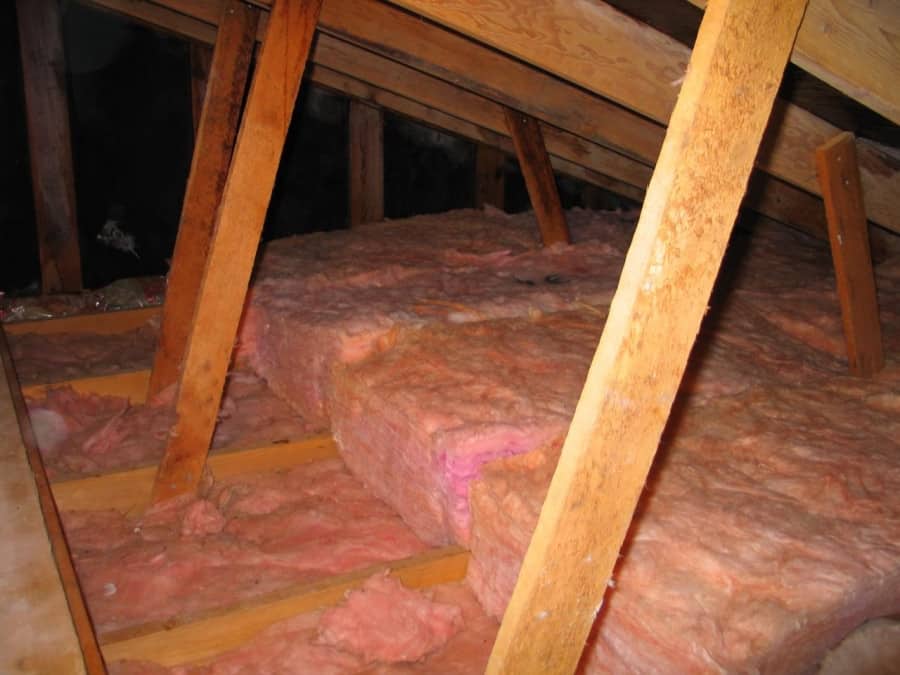
Water may enter attic spaces quietly.
Insulation absorbs moisture and holds it for days.
Post-storm attic inspection is essential for coastal properties.
Overlooked Issue #7: Exterior Seal Deterioration
Salt air gradually weakens:
- Window caulking
- Door weatherstripping
- Balcony thresholds
- Exterior fasteners
Small gaps allow rain to enter during storms.
Because intrusion is often subtle, damage spreads behind walls before becoming visible.
Replacing aging seals annually reduces long-term repair costs.
Overlooked Issue #8: Rebuilding Too Quickly
After water removal, homeowners are eager to restore finishes.
But rebuilding before structural drying is confirmed traps moisture inside walls and flooring.
This often leads to:
- Warped floors
- Paint blistering
- Odor recurrence
- Mold growth beneath new materials
Water damage repair should include moisture verification before reconstruction begins.
Patience protects long-term results.
Overlooked Issue #9: Electrical System Exposure
Water intrusion may reach:
- Outlets
- Light fixtures
- Circuit breakers
- Garage door systems
Saltwater exposure accelerates corrosion.
Electrical components should be inspected after flooding.
Ignoring this step may create future safety concerns.
Overlooked Issue #10: Insurance Documentation
Proper water damage repair includes detailed documentation:
- Photographs
- Moisture readings
- Drying logs
- Removal records
Homeowners who delay inspection may complicate insurance claims.
Early professional assessment protects coverage.
The Structured Repair Process
Effective water damage repair in coastal neighborhoods near Biscayne Bay typically includes:
- Source stabilization (roof, plumbing, seals)
- Moisture detection and mapping
- Removal of saturated materials
- Industrial dehumidification
- Controlled air movement
- HVAC inspection
- Mold risk evaluation
- Reconstruction after drying confirmation
Each step ensures structural stability.
Skipping moisture verification increases recurrence risk.
Preventive Maintenance After Repair
Once repairs are complete, homeowners should:
- Monitor indoor humidity (45–55%)
- Inspect roofs and flashing annually
- Maintain HVAC drain lines
- Replace aging plumbing connections
- Install water leak detection devices
- Schedule annual moisture inspections
Prevention reduces emergency restoration calls.
Coastal properties require consistent vigilance.
Why Local Coastal Experience Matters
Water damage repair near Biscayne Bay requires understanding:
- Wind-driven rain patterns
- Slab moisture migration
- Salt air corrosion
- High groundwater levels
- HVAC performance in humid climates
A restoration professional familiar with North Miami, Miami Shores, Biscayne Park, Aventura, Surfside, and nearby bayfront neighborhoods recognizes how these environmental pressures interact.
Tip Top Water and Fire Damage Restoration has addressed water damage throughout these coastal communities, applying drying and stabilization strategies tailored to South Florida’s conditions.
Local knowledge leads to more accurate repairs and fewer repeat problems.
A Practical Perspective
Water damage repair in coastal neighborhoods near Biscayne Bay often involves more than homeowners expect.
The most overlooked issues include:
- Hidden wall moisture
- Slab dampness
- HVAC contamination
- Salt residue
- Delayed mold growth
- Exterior seal deterioration
Acting quickly within the first 24–48 hours reduces long-term structural damage.
Rebuilding only after complete drying ensures stability.
In South Florida’s humid coastal climate, small water issues escalate quickly.
But with structured inspection, professional drying, and proactive maintenance, homeowners can protect structural integrity, indoor air quality, and long-term property value.
Coastal living comes with moisture challenges.
Understanding what’s often overlooked is the key to preventing recurring damage.