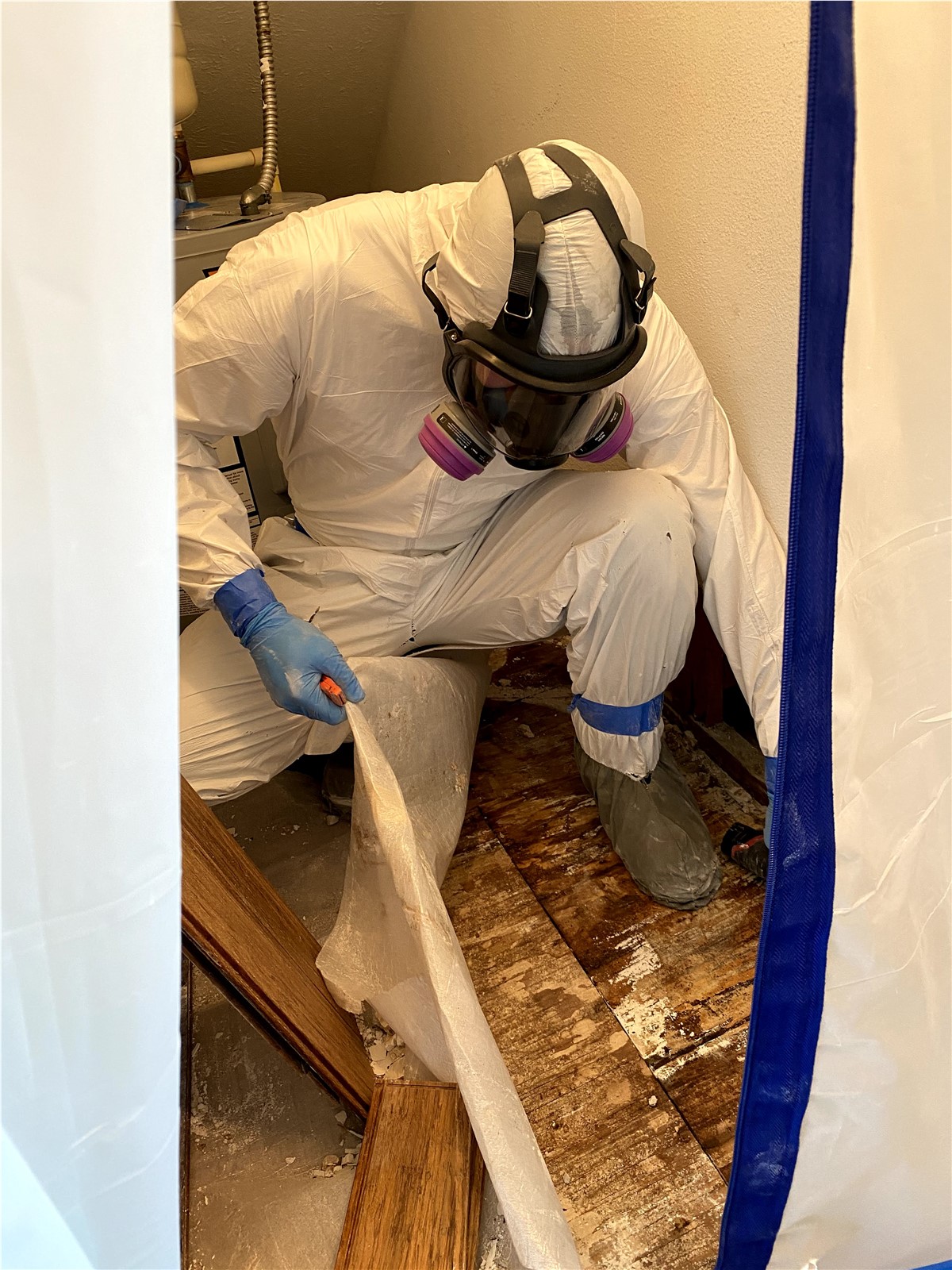
Why Water Removal Becomes Necessary in Sunny Isles Beach after Roof Leaks
Roof leaks are a common challenge for homeowners, landlords, and property managers in Sunny Isles Beach. The combination of coastal weather, high humidity, and occasional heavy storms makes roofs particularly vulnerable to damage. Even a small leak can allow water to infiltrate attics, ceilings, walls, and insulation, creating conditions that require prompt water removal. Failure to address roof leak-related water intrusion can lead to mold growth, structural damage, and compromised indoor air quality.
This article explores why water removal is essential after roof leaks in Sunny Isles Beach, the common signs of water intrusion, real-world observations from local properties, and practical steps for repair and prevention.
Why Roof Leaks Are a Common Concern
Sunny Isles Beach properties face unique challenges due to their coastal location:
1. Coastal Storms and Heavy Rain
Intense thunderstorms, especially during hurricane season, can expose roofing materials to prolonged water pressure. Even small gaps in shingles, flashing, or seals allow water to penetrate and accumulate inside the home.
2. Aging Roofs
Older properties may have roofing materials that are deteriorated or improperly maintained. Asphalt shingles, metal panels, and flat roofs can all develop leaks over time, particularly when exposed to salt air and intense sunlight.
3. High Humidity
Even minor leaks are exacerbated by Florida’s high humidity. Moisture that enters attics, walls, or ceilings may not evaporate quickly, leading to long-term water retention and increased risk of mold.
4. AC and Attic Condensation
Air conditioning systems can produce condensation that adds to roof leak water, particularly in attics. This combination accelerates moisture buildup in structural materials.
5. Structural Vulnerabilities
Roof penetrations for vents, skylights, and chimneys can become points of water intrusion if not properly sealed or maintained. High-rise condos and multi-story homes also face challenges with water running between floors.
Common Sources of Roof Leak Water Intrusion
Identifying the origin of water entry is essential for effective removal and repair:
- Damaged or Missing Shingles: Allow direct water entry during rain.
- Cracked or Aged Flashing: Compromises seals around roof joints, vents, and chimneys.
- Ponding Water on Flat Roofs: Flat or low-slope roofs may accumulate standing water that penetrates roofing membranes.
- Gutter and Downspout Blockages: Improper drainage can force water under roof edges.
- Attic Ventilation Issues: Poor airflow traps moisture, contributing to water buildup and secondary leaks.
Each source may require specialized inspection techniques and professional water removal methods.
Signs That Water Removal Is Needed
Homeowners in Sunny Isles Beach should watch for the following indicators of roof leak-related water damage:
- Water stains or discoloration on ceilings, walls, or crown molding
- Dripping or pooling water in attics or interior spaces
- Warped or buckling drywall, wood, or flooring
- Musty odors or visible mold growth
- Increased humidity levels in affected rooms
- Stains around roof penetrations, vents, or skylights
Recognizing these signs early allows for prompt intervention before damage spreads.
Real-World Observations from Sunny Isles Beach Properties
Local inspections reveal consistent patterns in roof leak water damage:
Observation 1: Attic Moisture Accumulation
Attics often serve as the first point of water entry. Even small leaks can saturate insulation, wood framing, and electrical wiring, creating hidden hazards that require professional water removal and drying.
Observation 2: Hidden Wall and Ceiling Damage
Water often travels along beams or wall cavities, leading to damage in rooms far from the leak’s origin. Homeowners may only notice stains or odors once the problem has progressed.
Observation 3: HVAC System Impact
Condensation from AC units can combine with roof leak water, saturating ductwork, ceilings, and nearby flooring. This hidden moisture requires careful detection and drying to prevent mold growth.
Observation 4: Mold Development
Mold frequently develops in areas where water is trapped behind walls, ceilings, or under flooring. Prompt water removal is essential to prevent fungal colonization and ensure safe indoor air quality.
Observation 5: Multi-Level Homes
In two-story or high-rise condos, roof leaks on upper floors can affect multiple levels, saturating ceilings and walls below. Water removal must address all affected areas to prevent secondary damage.
The Water Removal Process
Effective water removal after roof leaks involves a structured, multi-step approach:
Step 1: Inspection and Assessment
- Identify the source, extent, and severity of water intrusion
- Examine attics, ceilings, walls, HVAC systems, and flooring
- Use moisture meters, thermal imaging, and hygrometers to detect hidden water
Step 2: Water Extraction
- Remove standing water using pumps, wet/dry vacuums, or specialized extraction equipment
- Lift or remove carpets, padding, and personal items to access hidden water pockets
Step 3: Drying and Dehumidification
- Deploy air movers, fans, and dehumidifiers to eliminate residual moisture
- Focus on attics, wall cavities, ceilings, and subflooring
- Monitor drying progress with moisture meters to ensure safe moisture levels
Step 4: Sanitization
- Treat affected areas with antimicrobial solutions to prevent mold and bacterial growth
- Clean HVAC components and ducts if water has reached the system
Step 5: Structural Repairs
- Replace or repair damaged drywall, flooring, and insulation
- Address leaks and vulnerabilities in the roofing system to prevent recurrence
Step 6: Verification
- Conduct a final inspection to ensure water removal and repairs are complete
- Provide guidance for ongoing maintenance and monitoring
Hidden Areas That Require Attention
Roof leaks can create moisture in concealed locations that are easy to overlook:
- Behind Drywall and Crown Molding: Water can wick along beams, saturating walls and ceilings.
- Attic Insulation and Framing: Saturated insulation retains water and slows drying.
- HVAC Ducts and Components: Moisture in ducts can spread spores throughout the home.
- Subflooring: Water can seep through ceilings and flooring, saturating underlying materials.
Professional tools and expertise are essential to locate and address these hidden areas effectively.
Preventive Measures After Water Removal
Once water removal and repairs are complete, homeowners can reduce future risks:
- Roof Maintenance: Regular inspections of shingles, flashing, and penetrations
- Gutter and Drainage Cleaning: Prevent water buildup around roof edges
- Attic Ventilation: Proper airflow reduces condensation and humidity
- Prompt Leak Repairs: Address minor issues immediately before they escalate
- HVAC and Duct Maintenance: Ensure drip pans, lines, and filters function properly
- Humidity Control: Maintain indoor humidity below 50% to discourage mold growth
Preventive practices extend the life of the roof, protect structural integrity, and improve indoor air quality.
Challenges Specific to Sunny Isles Beach
- Coastal Humidity: Slows drying and encourages mold growth
- Storm Exposure: Heavy rain or hurricanes can exacerbate leaks
- High-Rise or Multi-Level Units: Water can affect multiple floors and units simultaneously
- Aging Infrastructure: Older roofs, insulation, and AC systems increase vulnerability
Local expertise is critical to effectively manage water removal and prevent recurring issues.
Importance of Professional Expertise
Engaging professionals, such as Tip Top Water and Fire Damage Restoration, ensures:
- Comprehensive inspection of roof leaks and hidden water intrusion
- Advanced water extraction and drying techniques
- Mold prevention and indoor air quality maintenance
- Verification and documentation of repairs and water removal
Professional intervention protects both property value and occupant health, particularly in coastal high-humidity environments.
Conclusion
Roof leaks in Sunny Isles Beach create water intrusion challenges that demand immediate attention. Left unaddressed, water can saturate attics, walls, ceilings, flooring, and HVAC systems, leading to mold growth, structural damage, and compromised indoor air quality.
Prompt water removal, professional inspection, drying, and repairs are essential to mitigate damage and prevent long-term issues. Preventive measures, including roof maintenance, HVAC upkeep, humidity control, and early leak detection, further protect properties from future water damage.
Property owners and managers who act quickly and employ experienced local professionals can maintain safe, healthy, and structurally sound homes in this coastal Florida community.