What Really Causes the Need for Water Damage Repair in Sunny Isles Beach
Sunny Isles Beach, Florida, is a coastal paradise known for luxury condos, oceanfront homes, and vibrant neighborhoods. However, this idyllic environment comes with a significant challenge for property owners: water damage. Homes and high-rise units in Sunny Isles Beach are susceptible to moisture intrusion from a variety of sources, including heavy rainfall, storm surges, aging infrastructure, and AC condensation. Understanding what truly drives the need for water damage repair is essential for homeowners, landlords, and property managers who want to protect their investments and maintain safe, healthy living spaces.
This article explores the primary causes of water damage in Sunny Isles Beach properties, common signs, real-world observations, and practical strategies for prevention and repair.
Why Water Damage Is a Persistent Issue
Several environmental and structural factors make Sunny Isles Beach particularly prone to water-related property issues:
1. Coastal Climate and Humidity
Sunny Isles Beach experiences high humidity year-round, often exceeding 70% during the summer months. Moisture-laden air increases the likelihood of condensation forming on walls, ceilings, and inside HVAC systems. Persistent humidity slows drying times after minor leaks, making even small water intrusions potentially serious.
2. Heavy Seasonal Storms
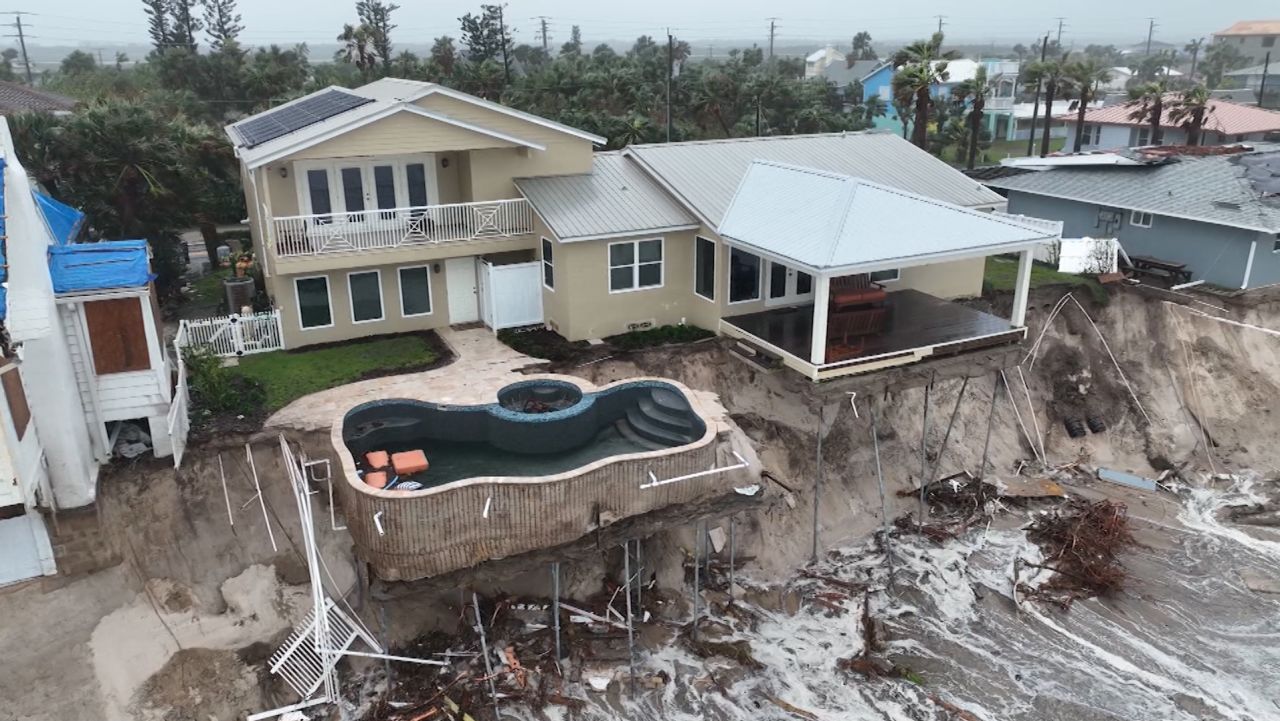
The region faces frequent summer thunderstorms and occasional hurricanes. Heavy rainfall can overwhelm roofs, gutters, and drainage systems, leading to water intrusion into attics, walls, basements, and living spaces.
3. Aging Infrastructure
Many homes and condos in Sunny Isles Beach have aging roofing, plumbing, and HVAC systems. Over time, materials degrade—roof shingles crack, flashing corrodes, pipes develop leaks, and AC systems lose efficiency—creating vulnerabilities to water penetration.
4. High-Rise Living Challenges
In multi-story condos, water damage can originate not only from external sources but also from neighboring units. Leaks in shared plumbing risers, AC systems, or upper-floor balconies can affect multiple residences simultaneously.
5. AC Condensation Issues
Air conditioning is essential in Sunny Isles Beach, but AC systems generate condensation. When drain lines are clogged, drip pans overflow, or units are poorly maintained, this moisture can seep into flooring, walls, or ceilings, creating hidden water damage.
Common Causes of Water Damage in Sunny Isles Beach Properties
Understanding the specific sources of water intrusion is key to prevention and repair:
- Roof Leaks: Damaged shingles, aging flat roofs, and poorly sealed roof penetrations allow rainwater into attics and ceilings.
- Plumbing Failures: Burst pipes, faulty water heaters, or leaking faucets can saturate carpets, subfloors, and drywall.
- AC System Overflow: Condensation that cannot drain properly can damage nearby flooring, ceilings, and ductwork.
- Flooding and Storm Surges: Low-lying areas or properties near canals are at risk during heavy rain or tropical storms.
- Window and Balcony Leaks: Coastal air and wind-driven rain can infiltrate units through poorly sealed windows or balcony doors.
Each source may require a different approach to detection, extraction, and repair.
Recognizing Signs of Water Damage
Water damage is not always immediately visible. Homeowners should watch for:
- Water stains on ceilings, walls, or baseboards
- Bubbling, peeling, or discolored paint
- Warped or sagging floors and doors
- Musty or moldy odors
- Dampness around windows, balconies, or AC systems
- Visible pooling or dripping water after rainstorms
Early detection is critical to prevent more extensive structural damage and microbial growth.
Real-World Observations from Sunny Isles Beach Properties
Professional inspections in local properties reveal patterns in water damage:
Observation 1: Hidden Moisture
Water often penetrates wall cavities, ceilings, and subflooring, remaining unseen until mold, warping, or odors appear.
Observation 2: AC and HVAC Contributions
Units that are poorly maintained or improperly installed often contribute to water damage through leaks and condensation. Water may accumulate inside ducts, ceilings, or near flooring, complicating removal.
Observation 3: Flood and Storm Impact
Even minor flooding from heavy rains can saturate carpets, tile grout, and baseboards. Properties near oceanfront or canals are especially susceptible during storm events.
Observation 4: Roof-Related Damage
Roof leaks, particularly in older buildings, frequently cause water intrusion into attics and ceilings, sometimes affecting multiple rooms.
Observation 5: High-Rise Challenges
Leaks from upper floors or neighboring units in multi-story condos may create widespread damage. Shared walls, ceilings, and plumbing risers often require coordinated water removal and repair strategies.
The Water Damage Repair Process
Effective water damage repair in Sunny Isles Beach follows a structured approach:
Step 1: Assessment
- Identify the source, extent, and severity of water intrusion
- Inspect attics, crawlspaces, ceilings, walls, HVAC systems, and flooring
- Use moisture meters, thermal imaging, and hygrometers to detect hidden water
Step 2: Water Extraction
- Remove standing water using pumps, wet/dry vacuums, or specialized extraction equipment
- Lift carpets, rugs, or furniture to access hidden water
Step 3: Drying and Dehumidification
- Deploy air movers, fans, and dehumidifiers to remove residual moisture
- Focus on concealed areas like wall cavities, subflooring, and attics
- Monitor moisture levels to confirm complete drying
Step 4: Cleaning and Sanitization
- Treat affected areas with antimicrobial solutions to prevent mold and bacteria
- Clean HVAC systems and ducts if contamination is detected
Step 5: Repairs and Restoration
- Replace or repair damaged drywall, flooring, and insulation
- Seal roof leaks, replace damaged shingles, and repair flashings
- Address plumbing or AC system vulnerabilities to prevent recurrence
Step 6: Verification
- Conduct a final inspection to ensure all water has been removed
- Provide guidance for ongoing monitoring and maintenance
Hidden Areas Often Overlooked
Water intrusion can affect areas that are not immediately visible:
- Behind baseboards or crown molding
- Within wall cavities or ceilings
- Under carpets and padding
- Inside ductwork or HVAC components
- Beneath subflooring or around plumbing penetrations
Proper tools and expertise are critical to identifying and remediating hidden damage.
Preventive Measures for Sunny Isles Beach Properties
- Regular Roof Maintenance: Inspect shingles, flashings, and penetrations annually.
- HVAC Maintenance: Ensure proper drainage, clean condensate lines, and maintain drip pans.
- Plumbing Inspections: Check pipes, water heaters, and fixtures for leaks.
- Humidity Control: Maintain indoor humidity below 50% to reduce condensation and microbial growth.
- Gutter and Drainage Care: Clear debris to prevent water pooling around roofs and foundations.
- Early Leak Detection: Use moisture meters or thermal cameras after storms or AC maintenance.
Preventive practices reduce the likelihood of recurring water damage and preserve property value.
Challenges Unique to Sunny Isles Beach
- Coastal Humidity: Slows drying and promotes mold growth.
- Storm Exposure: Heavy rain or hurricanes increase the risk of roof and window leaks.
- High-Rise and Multi-Level Properties: Water may travel from upper units or floors, affecting multiple areas.
- Aging Buildings: Older roofing, plumbing, and insulation are more prone to leaks.
Local expertise is essential to effectively manage these challenges and ensure long-term property protection.
The Role of Professional Expertise
Companies like Tip Top Water and Fire Damage Restoration provide critical services for water damage repair:
- Advanced moisture detection for hidden leaks
- Professional water extraction and drying
- Mold prevention and antimicrobial treatments
- Repairs and restoration tailored to local coastal conditions
- Post-repair verification and maintenance guidance
Professional intervention ensures that water damage is fully addressed, reducing future risks and preserving indoor air quality.
Conclusion
Water damage in Sunny Isles Beach is driven by a combination of coastal climate, high humidity, storms, aging infrastructure, and AC condensation. Roof leaks, plumbing failures, and flooding can lead to structural damage, mold growth, and compromised indoor air quality if not addressed promptly.
Effective water damage repair involves assessment, water extraction, drying, cleaning, structural repair, and preventive measures. Proactive maintenance, early leak detection, and professional intervention are essential to protect both property value and occupant health.
By understanding the true causes of water damage and acting quickly, homeowners and property managers can maintain safe, resilient, and healthy properties in this beautiful coastal Florida community.