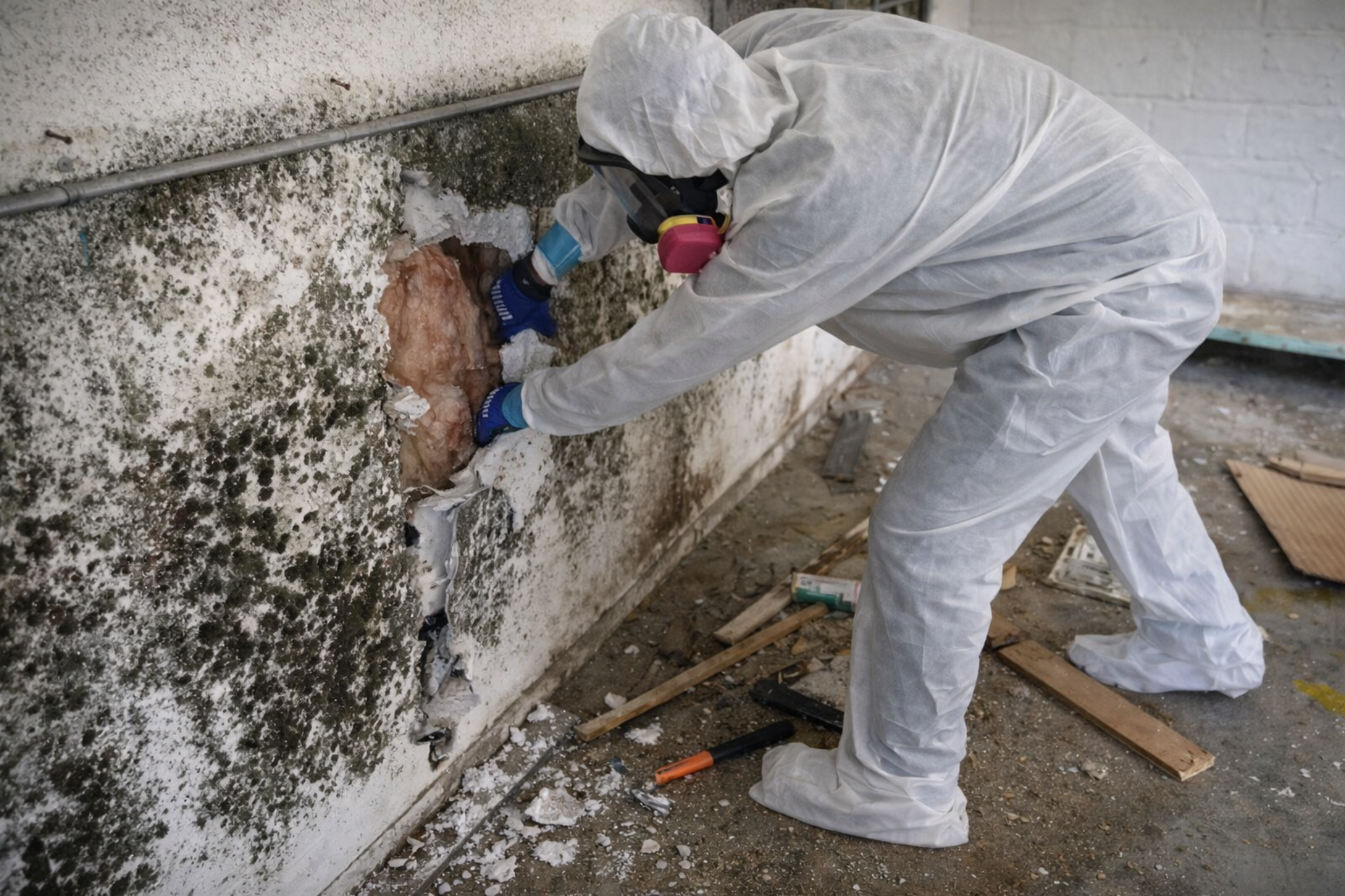
Long-Term Protection Tips Related to Mold Testing in Sunny Isles Beach
Mold is a persistent concern for homeowners, landlords, and property managers in Sunny Isles Beach. The city’s humid coastal climate, combined with heavy seasonal rainfall and frequent storms, creates conditions that promote mold growth in both high-rise condos and single-family homes. While mold testing provides a critical snapshot of your property’s indoor air quality and microbial environment, long-term protection requires more than a one-time inspection. It involves ongoing monitoring, preventive strategies, and proactive maintenance.
This article provides practical guidance for maintaining mold-free properties in Sunny Isles Beach, emphasizing long-term protection strategies informed by local conditions and real-world observations.
Why Mold Testing Is Essential
Mold testing is the first step in understanding the scope of a property’s microbial exposure. It involves identifying the types of mold present, assessing concentrations, and detecting hidden growth that may not be visible.
Key benefits include:
- Early Detection: Identifies mold before it spreads to walls, ceilings, or HVAC systems.
- Targeted Remediation: Ensures that professional cleaning addresses specific species and locations.
- Indoor Air Quality Insights: Detects airborne spores that can impact occupant health.
- Property Value Protection: Provides documentation for insurance purposes or real estate transactions.
However, mold testing alone does not prevent future growth. Long-term protection requires integrating testing results into a comprehensive maintenance plan.
Factors That Make Sunny Isles Beach Homes Vulnerable
Several local conditions contribute to mold risk in properties:
1. High Humidity
Year-round coastal humidity in Sunny Isles Beach often exceeds 70%, creating a consistently moist environment conducive to fungal growth.
2. Frequent Rain and Storms
Tropical storms and summer thunderstorms can introduce water through roof leaks, windows, or poorly sealed balconies. Even minor water intrusion can lead to mold if not addressed promptly.
3. Aging Infrastructure
Older homes and high-rise condos may have compromised roofing, plumbing, or HVAC systems. Deteriorating seals, insulation, or ductwork create hidden pockets where moisture can accumulate.
4. AC and HVAC Condensation
Air conditioning systems are essential in coastal Florida, but they produce condensate. When drain lines are clogged, drip pans are rusted, or duct insulation is inadequate, moisture can collect and promote mold growth.
5. High-Rise Living Challenges
Shared plumbing risers, interconnected HVAC systems, and adjacent units increase the risk of cross-contamination in condos, making professional testing and long-term protection even more critical.
Common Signs That Mold May Be Present
Even with regular testing, property owners should be aware of visible or olfactory indicators:
- Musty or earthy odors in closets, bathrooms, or near vents
- Water stains or discoloration on walls, ceilings, or around windows
- Warped, bubbling, or peeling paint
- Visible mold growth on walls, ceilings, or flooring
- Increased allergy or respiratory symptoms among occupants
- Damp carpeting, padding, or subflooring
Early recognition of these signs allows for faster intervention and reduces the cost and complexity of remediation.
Real-World Observations from Sunny Isles Beach Properties
Local mold inspections reveal patterns unique to coastal Florida:
Observation 1: Hidden Growth in HVAC Systems
Air ducts, drip pans, and air handling units often harbor mold due to condensation. Left unchecked, these systems can distribute spores throughout the property.
Observation 2: Attic and Ceiling Moisture
Roof leaks and poor attic ventilation frequently lead to hidden mold in insulation, wood framing, or ceiling cavities.
Observation 3: Bathroom and Kitchen Vulnerabilities
Plumbing leaks, condensation on tiles, and improperly vented exhaust fans contribute to mold growth behind cabinets, under sinks, and behind tile walls.
Observation 4: Condo Challenges
High-rise units often face cross-unit contamination from shared ductwork or plumbing risers, necessitating a coordinated approach to testing and remediation.
Observation 5: Seasonal Spike
Mold activity often increases during Florida’s rainy summer months, highlighting the need for both proactive testing and preventive strategies during peak moisture periods.
Long-Term Protection Strategies
Effective long-term mold protection in Sunny Isles Beach integrates testing with preventive maintenance and environmental management:
1. Routine Mold Testing
- Schedule annual or semi-annual inspections, especially in high-humidity periods
- Test areas prone to moisture, such as attics, bathrooms, kitchens, and HVAC systems
- Include both surface and airborne testing for comprehensive results
2. Moisture Control
- Maintain indoor humidity between 40–50% using air conditioning, dehumidifiers, or ventilation improvements
- Ensure proper sealing of roofs, windows, and doors to prevent water intrusion
- Inspect and repair plumbing leaks promptly
3. AC and HVAC Maintenance
- Clean ducts, drip pans, and condensate lines regularly
- Inspect insulation and airflow to prevent condensation buildup
- Schedule professional AC inspections annually
4. Structural Inspection and Repairs
- Monitor roof integrity, flashing, and seals
- Repair damaged ceilings, walls, or flooring immediately after leaks
- Address subflooring or insulation issues to prevent hidden mold growth
5. Preventive Cleaning
- Regularly clean high-moisture areas such as bathrooms and kitchens
- Use mold-resistant paints or coatings in moisture-prone areas
- Maintain carpets and flooring to prevent trapped moisture
6. Occupant Awareness
- Educate residents or tenants about reporting leaks, spills, or unusual odors promptly
- Encourage consistent use of exhaust fans and ventilation systems
Challenges Unique to Sunny Isles Beach
- Coastal Humidity: Persistent moisture slows drying and encourages mold growth.
- Storm Exposure: Heavy rains or hurricane events can overwhelm existing preventive measures.
- High-Rise and Condo Living: Shared HVAC and plumbing systems complicate detection and remediation.
- Aging Infrastructure: Older construction materials and insulation increase susceptibility to hidden mold.
Understanding these challenges helps property owners implement more effective long-term protection strategies.
The Role of Professional Expertise
Engaging experienced professionals, such as Tip Top Water and Fire Damage Restoration, provides several advantages:
- Accurate, comprehensive mold testing and moisture assessment
- Detection of hidden mold in ductwork, ceilings, and walls
- Targeted remediation recommendations based on test results
- Implementation of long-term preventive measures
- Post-remediation verification to ensure indoor air quality
Professional guidance ensures that mold testing leads to actionable insights and lasting protection.
Integrating Testing into a Long-Term Maintenance Plan
For effective long-term protection, mold testing should not be a one-time event. A comprehensive maintenance plan includes:
- Initial Testing: Conduct a thorough inspection after moving in, after storms, or after water damage events
- Routine Monitoring: Schedule follow-up tests at regular intervals or after environmental changes
- Preventive Actions: Implement moisture control, AC maintenance, and structural repairs informed by testing results
- Rapid Response: Address any positive test findings immediately to prevent mold proliferation
- Documentation: Keep records of testing, remediation, and preventive actions for insurance and property management purposes
By integrating testing into ongoing property care, homeowners and property managers can significantly reduce mold-related risks.
Conclusion
Mold testing in Sunny Isles Beach is an essential first step in maintaining healthy, resilient properties. However, lasting protection requires a combination of regular testing, moisture management, preventive maintenance, and professional expertise. Coastal humidity, storm exposure, AC condensation, and aging infrastructure make proactive strategies especially important in this Florida city.
By incorporating mold testing into a long-term maintenance plan, addressing moisture sources, and implementing professional remediation when necessary, property owners can preserve indoor air quality, protect property value, and maintain a safe living environment. Long-term protection ensures that Sunny Isles Beach homes and high-rise condos remain healthy and comfortable, even in the challenging coastal climate.