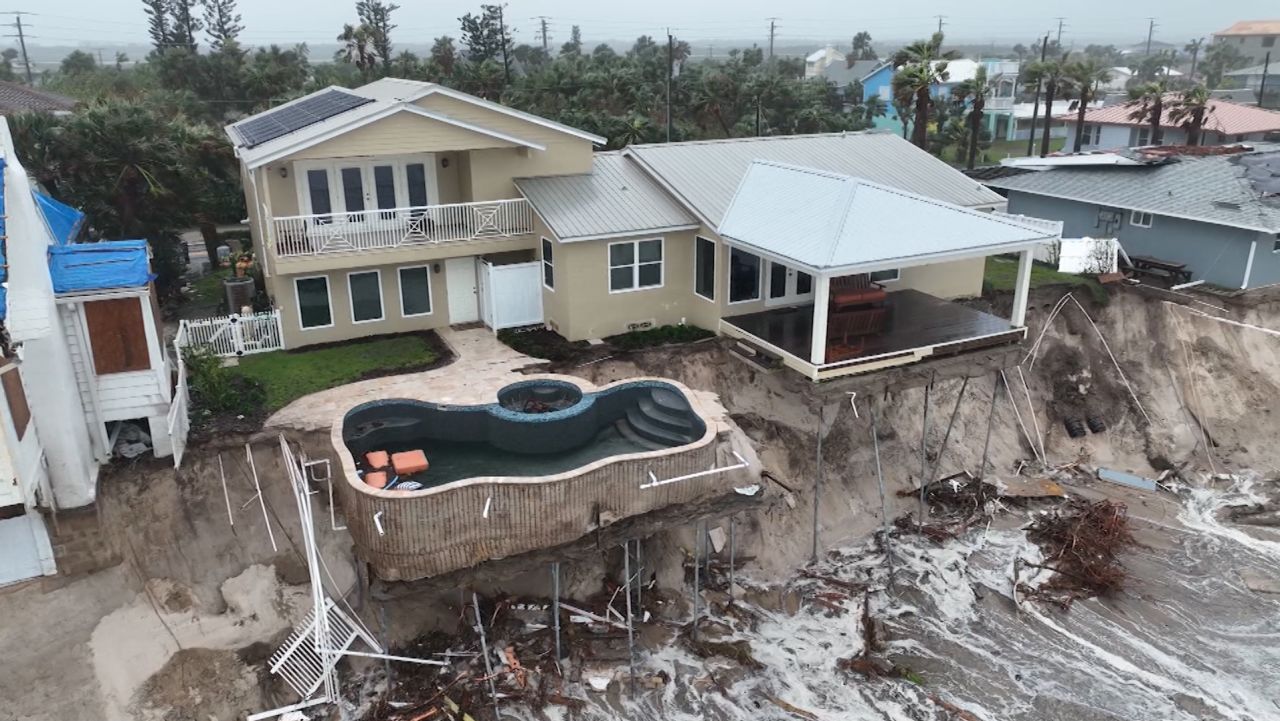
Understanding Water Damage Repair in Sunny Isles Beach after Storm Surge
Properties in Sunny Isles Beach are uniquely vulnerable to water damage, particularly following storm surges. These events, often associated with hurricanes or tropical storms, can push seawater, rainwater, and drainage overflow into homes, condos, and commercial buildings. Unlike standard leaks or minor flooding, storm surge water carries additional risks, including high salinity, debris, and microbial contamination.
Understanding the process of water damage repair after storm surge events is essential for homeowners, landlords, and property managers. Prompt and thorough intervention can prevent structural damage, mold growth, and long-term deterioration of property value.
The Nature of Storm Surge Water Damage
Storm surge occurs when strong winds and low atmospheric pressure push ocean water onto coastal land. Sunny Isles Beach, with its low-lying geography and bayfront properties, is particularly susceptible.
Key characteristics of storm surge water damage include:
- High Volume of Water: Flooding can affect entire lower floors or multiple units in condos.
- Saltwater Exposure: Salt accelerates corrosion of metal components, damages wood, and affects flooring and drywall.
- Debris and Contamination: Storm surge often brings sand, vegetation, and other debris into properties, complicating cleanup.
- Rapid Saturation: Carpets, padding, furniture, and structural materials absorb water quickly, increasing the need for professional extraction.
Because of these factors, water damage after a storm surge requires specialized assessment and repair strategies.
Common Causes of Storm Surge Water Intrusion in Sunny Isles Beach
Several property vulnerabilities contribute to storm surge water damage:
- Low Elevation and Coastal Location: Properties near the ocean or Intracoastal Waterway are most susceptible.
- Aging Roofing and Window Seals: Leaks in shingles, flashings, or window seals allow water to penetrate interiors.
- Improper Drainage: Clogged gutters, storm drains, or inadequate grading can exacerbate water entry.
- Ground-Level Vulnerabilities: Garages, patios, and ground-floor units can quickly flood during high tides or surge events.
- Shared Condo Systems: In high-rise buildings, lower-level units may experience overflow from upper floors or common drainage systems.
Understanding these causes helps prioritize areas for inspection, repair, and preventive measures.
Signs Water Damage Has Occurred
After a storm surge, property owners should inspect for:
- Standing or pooled water on floors
- Damp or warped flooring, baseboards, and walls
- Discolored or sagging ceilings
- Musty odors indicating microbial growth
- Salt residue or staining on surfaces
- Electrical hazards from water contact with outlets or appliances
Early recognition of these signs allows for faster intervention and reduces long-term repair costs.
Real-World Observations from Sunny Isles Beach Properties
Professional inspections reveal patterns of storm surge damage unique to the area:
Observation 1: Flooring Saturation
Carpets, tile grout, and hardwood floors often absorb water rapidly, requiring professional extraction and drying. In some cases, padding or subflooring must be replaced to prevent mold and warping.
Observation 2: Structural Compromise
Saltwater exposure accelerates corrosion in nails, screws, and metal reinforcements. Wood framing may swell, warp, or split, necessitating targeted repairs.
Observation 3: Hidden Moisture
Water often infiltrates wall cavities, ceilings, and attics. Moisture meters and thermal imaging are essential to locate and remediate these hidden areas.
Observation 4: HVAC and Duct Impact
Storm surge water can infiltrate air ducts and AC components, spreading moisture and microbial contamination throughout the property. Professional drying and cleaning are required to prevent indoor air quality issues.
Observation 5: Furniture and Personal Property Damage
Sofas, mattresses, and other absorbent furnishings often require deep cleaning or disposal due to salt and microbial contamination.
The Water Damage Repair Process After Storm Surge
Effective water damage repair involves multiple coordinated steps:
Step 1: Assessment and Inspection
- Identify the source and extent of water intrusion
- Check walls, ceilings, flooring, attics, and HVAC systems
- Use moisture meters and thermal imaging to detect hidden damage
Step 2: Water Extraction
- Employ high-capacity pumps and wet/dry vacuums
- Remove carpets, padding, and personal items to access saturated areas
- Extract water from flooring, subflooring, and cavities
Step 3: Drying and Dehumidification
- Deploy air movers, fans, and industrial dehumidifiers
- Focus on concealed areas such as wall cavities, under flooring, and attics
- Monitor moisture levels continuously to ensure thorough drying
Step 4: Cleaning and Sanitization
- Treat affected surfaces with antimicrobial solutions to prevent mold and bacteria
- Clean HVAC systems, ductwork, and vents if moisture intrusion occurred
- Address salt residue to prevent long-term corrosion or staining
Step 5: Structural Repair and Restoration
- Replace or repair damaged drywall, flooring, insulation, and framing
- Seal roof and window penetrations to prevent future leaks
- Restore electrical components and appliances impacted by water
Step 6: Verification
- Conduct post-repair inspection to ensure all moisture has been eliminated
- Provide guidance for ongoing monitoring and preventive maintenance
Preventive Measures for Future Storm Surge Events
While storm surges cannot be prevented, homeowners can minimize potential water damage:
- Elevate Vulnerable Items: Store furniture, electronics, and valuables above potential flood levels.
- Inspect Roofing and Flashing: Ensure shingles, seals, and flashings are intact before storm season.
- Seal Windows and Doors: Use weatherproofing measures to prevent water infiltration.
- Maintain Drainage Systems: Clean gutters, downspouts, and storm drains regularly.
- Install Flood Barriers: Consider temporary barriers for ground-level entry points.
- HVAC and Plumbing Maintenance: Ensure AC units and plumbing systems are well-maintained to prevent internal leaks during storms.
- Moisture Monitoring: Use sensors or periodic inspections to detect hidden water after storms.
Implementing these measures reduces the likelihood of severe damage and speeds recovery if flooding occurs.
Challenges Specific to Sunny Isles Beach
- Coastal Humidity: Slows drying and encourages mold growth post-storm
- Saltwater Exposure: Accelerates corrosion and damages wood, flooring, and fixtures
- High-Rise Structures: Lower units may be affected by overflow from upper floors
- Aging Infrastructure: Older buildings are more prone to leaks and structural compromise
Local expertise is critical to address these challenges effectively and prevent ongoing damage.
The Role of Professional Expertise
Professional water damage repair specialists, such as Tip Top Water and Fire Damage Restoration, provide vital services:
- Comprehensive assessment and moisture detection
- Advanced water extraction and drying techniques
- Structural repairs and mold prevention
- HVAC and duct cleaning to protect indoor air quality
- Guidance on long-term preventive measures
Engaging experienced professionals ensures that storm surge damage is fully addressed, preserving property value and occupant safety.
Conclusion
Storm surge events in Sunny Isles Beach present unique and serious water damage risks. Saltwater, debris, and high-volume flooding can affect flooring, walls, ceilings, HVAC systems, and personal property. Early detection, rapid water removal, proper drying, sanitization, and structural repairs are critical to preventing long-term damage.
Property owners and managers can protect their investments by implementing preventive measures, performing regular inspections, and engaging professional restoration experts. Understanding the causes and repair process for storm surge water damage ensures that Sunny Isles Beach homes and condos remain safe, structurally sound, and resilient against future events.