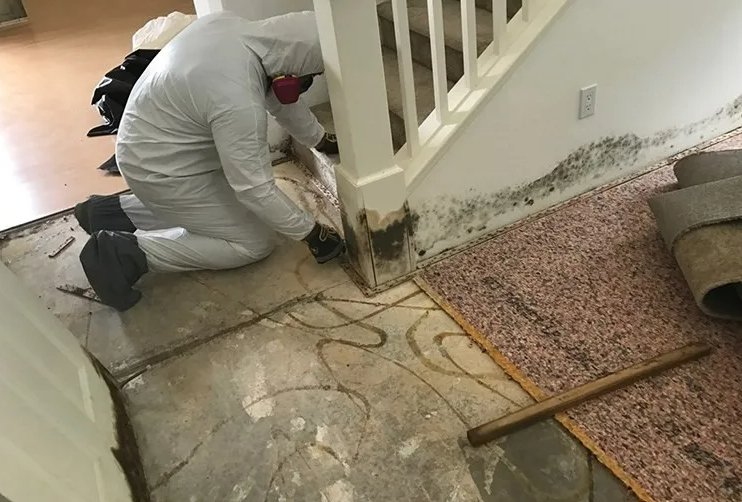
Property Maintenance Insights: Water Removal in Bal Harbour
Bal Harbour, Florida, is renowned for its luxury waterfront homes, high-rise condos, and scenic coastal living. While the area offers stunning views and premium real estate, the properties here face unique challenges related to water intrusion. From heavy summer rains and hurricanes to AC condensation and plumbing leaks, water can compromise structural integrity, encourage mold growth, and damage personal belongings.
Water removal is a critical component of property maintenance in Bal Harbour. Timely intervention not only mitigates damage but also protects indoor air quality and property value. This article explores the causes of water intrusion, early warning signs, the professional water removal process, and preventive strategies for homeowners and property managers.
Why Water Removal Matters
Water intrusion can cause immediate and long-term consequences if left unaddressed:
- Structural Damage: Water can weaken wood, drywall, subflooring, and flooring materials.
- Mold and Mildew Growth: Moist environments promote microbial growth within 24–48 hours.
- Indoor Air Quality: Lingering moisture in walls, ducts, or carpets can harbor mold spores, affecting health.
- Property Value: Untreated water damage can reduce the resale value of homes and condos.
- Financial Savings: Early water removal reduces the scope of repairs, lowering restoration costs.
In coastal communities like Bal Harbour, water intrusion is often an ongoing concern due to environmental factors, making professional water removal a crucial preventive and restorative measure.
Common Causes of Water Intrusion in Bal Harbour
Water can enter properties through multiple pathways, often simultaneously. Some of the most common sources include:
1. Stormwater and Heavy Rain
Florida experiences frequent summer thunderstorms, and hurricanes can lead to flooding. Water can enter homes through windows, doors, patios, and ground-level areas.
2. Plumbing Failures
Leaking pipes, faulty water heaters, or malfunctioning appliances often cause localized water damage. Even small leaks can accumulate over time, compromising walls, flooring, and cabinetry.
3. AC Condensation
Air conditioning units generate condensation that, if not properly drained, can seep into walls, ceilings, or subflooring. Blocked drain lines or overflowing drip pans exacerbate the problem.
4. Roof Leaks
Aging shingles, damaged flashing, or poor roof maintenance allow water to penetrate attics, ceilings, and walls, often causing hidden damage over time.
5. Poor Drainage
Clogged gutters, downspouts, or improper grading can result in pooling water near foundations, patios, or garages, leading to infiltration.
6. Coastal Humidity
High humidity levels common in Bal Harbour contribute to moisture absorption by building materials, carpets, and insulation, even without direct water intrusion.
Early Signs Homeowners Should Watch For
Early detection of water issues is vital for minimizing damage. Common warning signs include:
- Musty or damp odors in closets, attics, or crawlspaces
- Discoloration, warping, or bubbling on walls, ceilings, or floors
- Soft or spongy flooring
- Peeling paint or wallpaper
- Condensation on windows or HVAC ducts
- Mold or mildew growth on visible surfaces
Recognizing these signs quickly enables homeowners to seek professional water removal and prevent further damage.
Hidden Water Sources Often Overlooked
Water frequently accumulates in areas not immediately visible:
- Wall cavities behind drywall
- Under carpets, padding, or laminate flooring
- Subflooring and crawlspaces
- Attics with roof leaks or insufficient ventilation
- HVAC ducts or units
These concealed areas require professional assessment to ensure complete water removal and prevent mold growth.
Why DIY Water Removal Often Fails
Homeowners may attempt to manage water intrusion themselves, but DIY methods often fall short:
- Incomplete Extraction: Standing water may remain in wall cavities or under flooring, leading to secondary damage.
- Inadequate Drying: Without professional dehumidifiers and air movers, materials may retain moisture, encouraging mold growth.
- Improper Cleaning: Contaminated water from floods or leaks may contain bacteria or chemicals that require proper sanitation.
- Structural Risks: Removing materials incorrectly can compromise load-bearing structures or flooring integrity.
Professional water removal ensures comprehensive mitigation of immediate and hidden damage.
The Professional Water Removal Process
Water removal in Bal Harbour typically follows a multi-step approach:
Step 1: Assessment and Inspection
- Identify visible water damage and hidden moisture using moisture meters, hygrometers, and thermal imaging.
- Inspect flooring, walls, subflooring, attics, and HVAC systems.
- Determine the source of water intrusion to prevent recurrence.
Step 2: Water Extraction
- Remove standing water using pumps, wet vacuums, and specialized equipment.
- Extract water from carpets, padding, flooring, and other affected materials.
Step 3: Drying and Dehumidification
- Deploy air movers, fans, and dehumidifiers to thoroughly dry walls, flooring, and subflooring.
- Monitor moisture levels to ensure complete drying.
Step 4: Sanitization and Mold Prevention
- Treat affected areas with antimicrobial solutions to prevent microbial growth.
- Dispose of contaminated materials that cannot be salvaged safely.
Step 5: Structural Repairs
- Repair or replace damaged drywall, flooring, insulation, or subflooring.
- Address plumbing, roofing, or HVAC issues that contributed to water intrusion.
Step 6: Post-Restoration Inspection
- Verify that moisture levels are within safe limits.
- Confirm indoor air quality is restored.
- Ensure structural safety before occupancy.
Real-World Observations in Bal Harbour
Local properties reveal common patterns:
- High-Rise Condos: Water intrusion often occurs through shared plumbing lines or AC systems, affecting multiple units.
- Luxury Homes: Decorative water features, poorly maintained roofs, or aging infrastructure can contribute to hidden water damage.
- Ground-Level Flooding: Lower-level units and garages are particularly vulnerable during heavy rains or high tides.
- AC System Condensation: Neglected units often cause slow leaks that compromise walls and flooring over time.
These observations underscore the importance of timely water removal and ongoing maintenance.
Preventive Measures for Homeowners
While professional intervention is crucial after water intrusion, preventive measures reduce the likelihood and severity of future incidents:
1. AC and HVAC Maintenance
- Clean condensate lines, drip pans, and ducts regularly.
- Ensure proper airflow and insulation to minimize condensation.
2. Roof and Plumbing Inspections
- Repair damaged shingles, flashing, and seals promptly.
- Check pipes, water heaters, and appliances for leaks or signs of wear.
3. Drainage and Landscaping
- Keep gutters and downspouts clear to prevent pooling.
- Grade landscaping away from the foundation to divert water.
4. Humidity Control
- Use dehumidifiers during humid months to maintain indoor humidity below 50%.
- Improve ventilation in bathrooms, kitchens, and attics.
5. Monitoring and Early Detection
- Install moisture sensors or smart monitors in vulnerable areas.
- Conduct routine inspections, especially after storms or heavy rainfall.
6. Resident Awareness
- Educate family members or tenants to report leaks, water stains, or odors promptly.
The Role of Local Expertise
Bal Harbour properties benefit from local professionals with experience in coastal conditions. Companies like Tip Top Water and Fire Damage Restoration provide:
- Comprehensive water detection using moisture meters, thermal imaging, and hygrometers
- Efficient extraction and drying of standing water
- Sanitization and mold prevention
- Guidance on structural repairs and preventive maintenance
- Assurance that properties are fully restored and protected against recurring water issues
Local expertise ensures that restoration strategies are tailored to the unique environmental and structural challenges of coastal properties.
Conclusion
Water intrusion in Bal Harbour properties is a persistent challenge due to storms, high humidity, AC condensation, and aging infrastructure. Prompt professional water removal is critical to prevent structural damage, mold growth, and indoor air quality issues.
By combining timely intervention, professional water removal, preventive maintenance, and resident awareness, homeowners and property managers can protect their Bal Harbour properties. Proactive strategies ensure that luxury homes, high-rise condos, and coastal residences remain safe, healthy, and resilient against the challenges posed by Florida’s coastal environment.