Preventing Future Problems: Water Damage Repair in Surfside
Surfside, Florida, is a coastal community known for its beachfront homes, high-rise condos, and scenic residential neighborhoods. While living near the ocean offers unparalleled views and a vibrant lifestyle, it also exposes properties to unique environmental challenges, particularly water-related damage. From heavy summer rains and hurricanes to AC condensation and plumbing leaks, Surfside properties are vulnerable to water intrusion that can compromise structural integrity, indoor air quality, and overall property value.
Preventive water damage repair is essential for homeowners, landlords, and property managers to minimize both immediate and long-term issues. This guide provides a comprehensive look at the causes of water damage in Surfside, warning signs, professional repair and mitigation processes, and practical strategies to prevent future problems.
Why Water Damage Repair Matters
Water damage is more than just wet floors or visible stains. If left unaddressed, it can have serious consequences:
- Structural Integrity: Prolonged exposure to water weakens wood, drywall, flooring, and insulation.
- Mold and Microbial Growth: Standing water or hidden moisture creates ideal conditions for mold, mildew, and bacterial growth.
- Indoor Air Quality: Water damage can compromise HVAC systems and ductwork, spreading spores and odors throughout the home.
- Property Value: Water damage that is not repaired professionally can lower resale value and complicate insurance claims.
- Cost Efficiency: Prompt detection and repair reduce the risk of secondary damage and more extensive restoration expenses.
In Surfside, where coastal weather and high humidity are constant factors, understanding and addressing water damage is crucial for maintaining property safety and value.
Common Causes of Water Damage in Surfside
Water damage in coastal properties often results from a combination of environmental and structural factors. The most frequent causes include:
1. Heavy Rain and Stormwater
Florida experiences intense summer storms and hurricanes. During these events, water can infiltrate homes through windows, doors, rooftops, and low-lying areas. Storm surges in coastal zones can exacerbate flooding in ground-level units and garages.
2. Plumbing Failures
Leaking pipes, malfunctioning water heaters, or faulty appliances often cause localized water intrusion. Even small, slow leaks can accumulate over time, saturating walls, flooring, and cabinetry.
3. AC Condensation
Air conditioning units are essential in Surfside’s humid climate, but they generate condensation. Blocked drain lines, overflowing drip pans, or poorly maintained systems can allow water to seep into walls, ceilings, or subfloors.
4. Roof Leaks
Damaged or aging shingles, compromised flashing, or improperly sealed skylights can allow rainwater to penetrate attics, ceilings, and walls, often causing hidden damage that may go unnoticed for weeks.
5. Poor Drainage and Landscaping
Clogged gutters, downspouts, or insufficient grading around a property can lead to water pooling near foundations, patios, and garages, increasing the risk of infiltration.
6. High Humidity
Coastal humidity in Surfside is consistently high, causing moisture to absorb into building materials, carpets, and insulation even in the absence of direct water intrusion. This can create hidden dampness that fosters mold growth.
Early Signs of Water Damage
Homeowners and property managers should watch for early indicators of water intrusion:
- Musty odors or damp smells in closets, attics, or crawlspaces
- Discoloration, staining, or bubbling on walls, ceilings, or flooring
- Soft or spongy flooring underfoot
- Peeling paint or wallpaper
- Condensation on windows or HVAC ducts
- Visible mold or mildew growth
- Increased allergy or respiratory symptoms among residents
Prompt attention to these signs allows for early repair and limits the risk of secondary damage.
Hidden Water Damage Sources
Water often accumulates in areas that are not immediately visible, complicating detection:
- Wall cavities behind drywall or paneling
- Under carpets, padding, or laminate flooring
- Subflooring and crawlspaces
- Attics with roof leaks or poor ventilation
- HVAC ducts and air handling units
Professional water damage repair requires specialized tools and techniques to locate and address these concealed sources effectively.
Why DIY Repairs Often Fall Short
While some homeowners attempt to handle water damage themselves, DIY approaches frequently fail to resolve the full scope of the problem:
- Incomplete Water Removal: Hidden water may remain in wall cavities, subfloors, or HVAC systems.
- Inadequate Drying: Without commercial-grade dehumidifiers and air movers, materials may remain damp, promoting mold growth.
- Safety Risks: Electrical systems, contaminated water, or weakened structures pose hazards during DIY cleanup.
- Hidden Damage Overlooked: Without proper inspection tools, hidden moisture, structural compromise, or microbial contamination may go undetected.
Professional water damage repair ensures a thorough, safe, and effective restoration process.
The Water Damage Repair Process in Surfside
Professional water damage repair typically follows a structured sequence:
Step 1: Assessment and Inspection
- Identify visible and hidden water damage using moisture meters, thermal imaging, and hygrometers
- Inspect flooring, walls, ceilings, attics, crawlspaces, and HVAC systems
- Determine the source of water intrusion to prevent recurrence
Step 2: Water Extraction
- Remove standing water using pumps, wet vacuums, and specialized equipment
- Extract water from carpets, padding, flooring, and other affected materials
Step 3: Drying and Dehumidification
- Deploy industrial-grade air movers, fans, and dehumidifiers
- Continuously monitor moisture levels to ensure complete drying of structural elements
Step 4: Sanitization and Mold Prevention
- Treat affected areas with antimicrobial and antifungal solutions
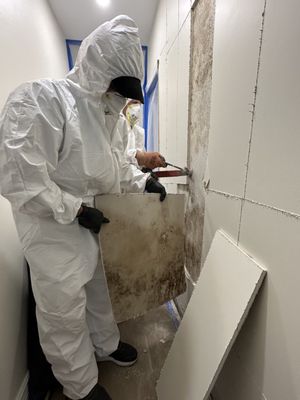
- Remove unsalvageable materials to prevent mold growth and odors
Step 5: Structural Repairs
- Repair or replace damaged drywall, flooring, insulation, or subflooring
- Address plumbing, roofing, or HVAC issues that contributed to water intrusion
Step 6: Post-Restoration Inspection
- Verify that all moisture has been removed and indoor air quality restored
- Confirm structural safety before occupancy
Real-World Observations in Surfside Properties
Professionals working in Surfside have identified common patterns in water damage scenarios:
- High-Rise Condos: Water intrusion often travels through shared plumbing risers or AC systems, affecting multiple units.
- Luxury Homes: Decorative water features, aging roofs, or neglected infrastructure often lead to hidden water accumulation.
- Ground-Level Flooding: Low-lying homes and garages are particularly vulnerable to stormwater or high-tide infiltration.
- AC System Condensation: Poorly maintained systems can leak over time, causing extensive damage to walls and floors.
These observations highlight the need for timely professional intervention and ongoing property maintenance.
Preventing Future Water Damage
Homeowners and property managers can adopt strategies to minimize the risk of future water damage:
1. AC and HVAC Maintenance
- Inspect and clean condensate lines, drip pans, and ducts regularly
- Ensure airflow and insulation are adequate to prevent condensation
2. Roof and Plumbing Maintenance
- Repair leaks, damaged shingles, flashing, and seals promptly
- Monitor pipes, water heaters, and appliances for signs of wear or leaks
3. Drainage and Landscaping
- Keep gutters, downspouts, and storm drains clear
- Grade landscaping away from foundations to prevent pooling water
4. Humidity and Ventilation Control
- Use dehumidifiers to maintain indoor humidity below 50%
- Improve airflow in bathrooms, kitchens, and attics
5. Monitoring and Early Detection
- Install moisture sensors in vulnerable areas
- Conduct periodic inspections, especially after storms or heavy rainfall
6. Resident Education
- Encourage household members or tenants to report leaks, water stains, or unusual odors promptly
The Importance of Local Expertise
Surfside properties face specific environmental challenges that require local knowledge and professional expertise. Companies like Tip Top Water and Fire Damage Restoration provide:
- Comprehensive moisture detection using meters, thermal imaging, and hygrometers
- Efficient water extraction and structural drying
- Sanitization and mold prevention
- Guidance on structural repairs and long-term preventive measures
- Assurance that properties are restored safely and protected from recurring water damage
Local expertise ensures that water damage repair strategies are tailored to the unique climate and building conditions of coastal Surfside properties.
Conclusion
Water damage in Surfside can result from storms, heavy rainfall, AC condensation, plumbing leaks, and high humidity. The consequences extend beyond visible damage, affecting structural integrity, indoor air quality, and property value.
Preventive water damage repair, combined with professional inspections, proper drying, and ongoing maintenance, is essential to protect homes, high-rise condos, and other coastal properties. By understanding the causes, recognizing early signs, and implementing proactive strategies, property owners and managers can safeguard their Surfside properties against future water-related challenges.