
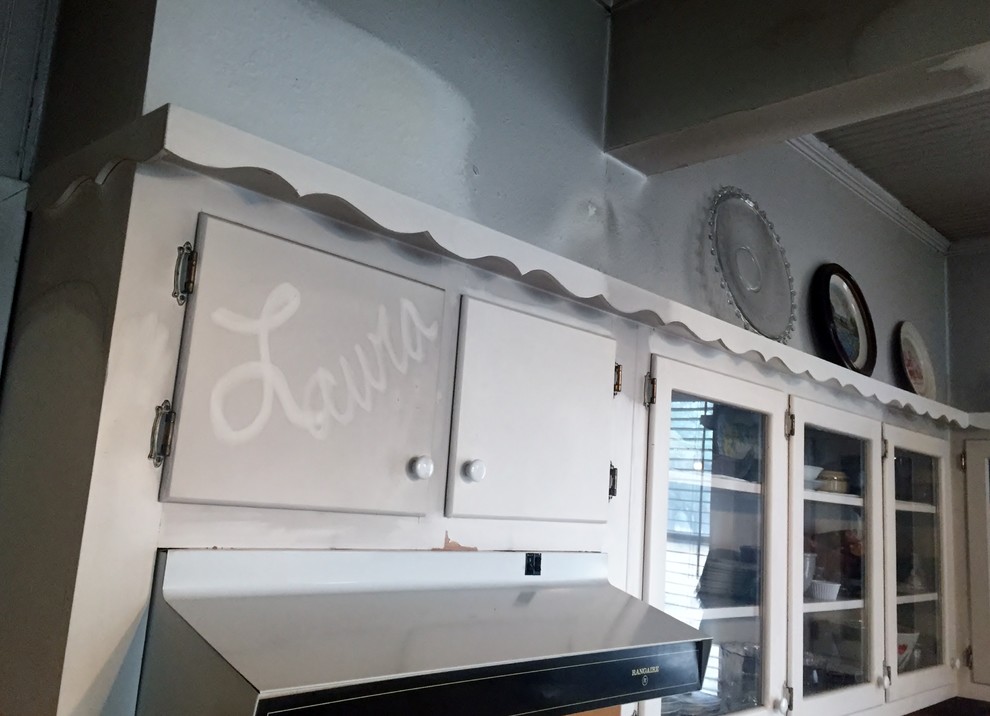
Smoke Damage Cleanup in Bal Harbour: A Realistic Guide for Property Owners
Bal Harbour properties are known for oceanfront views, modern high-rise towers, and carefully designed waterfront homes. Interiors are often finished with premium materials — custom cabinetry, polished stone, hardwood flooring, and integrated HVAC systems.
When a fire event occurs, even a small one, smoke does not respect those finishes.
In Bal Harbour, most smoke damage cases involve contained incidents: kitchen flare-ups, appliance failures, electrical malfunctions, or small balcony fires. Fire departments respond quickly. Flames are extinguished. Structural damage appears limited.
But smoke travels farther than fire.
In a humid coastal environment influenced by salt air and year-round air conditioning, smoke residue behaves differently. Cleanup requires more than wiping visible soot.
This guide explains what property owners in Bal Harbour should realistically expect during smoke damage cleanup.
Understanding How Smoke Spreads in Coastal Condos
In many Bal Harbour properties — especially high-rises — open layouts and shared ventilation pathways allow smoke to move quickly.
Smoke can:
- Rise into ceiling cavities
- Enter return air vents
- Travel through duct systems
- Move along plumbing chases
- Spread into adjacent rooms
Even if the fire was confined to one kitchen area, residue may settle throughout the unit.
In multi-story buildings, smoke may also migrate vertically to other floors.
Cleanup must address the full extent — not just the room where flames occurred.
The Role of Humidity and Salt Air
Bal Harbour’s coastal environment plays a major role in smoke damage severity.
Soot particles are acidic. When exposed to humid air, they absorb moisture and become more corrosive.
Salt-laden air near the Atlantic Ocean intensifies this reaction.
Within hours, smoke residue may begin affecting:
- Stainless steel fixtures
- Glass surfaces
- Electronics
- HVAC components
- Light fixtures
The longer soot remains untreated, the more permanent the damage becomes.
Quick action reduces corrosion risk.
What Homeowners Usually Notice First
In most cases, property owners observe:
- Lingering smoke odor
- Discoloration on ceilings
- Sticky residue on surfaces
- Darkened air vent covers
- Fine soot near light fixtures
Odor often persists even when visible staining appears minimal.
In humid climates, smell becomes embedded in porous materials quickly.
If odor remains after initial cleaning attempts, professional cleanup is necessary.
Why Surface Cleaning Is Not Enough
Many homeowners attempt to wipe down surfaces using household cleaners.
This approach often fails because:
- Soot spreads easily when disturbed
- Porous materials trap particles
- Ceiling cavities remain contaminated
- HVAC systems recirculate residue
Without proper containment and filtration, cleaning may redistribute particles.
Smoke damage cleanup requires structured procedures to avoid cross-contamination.
The Structured Smoke Damage Cleanup Process
Professional cleanup in Bal Harbour typically includes:
1. Detailed Inspection
Technicians evaluate:
- Visible soot patterns
- Ceiling and attic spaces
- HVAC systems
- Cabinets and flooring
- Mechanical rooms
Inspection determines the scope of contamination.
2. Containment and Air Filtration
HEPA air scrubbers are used to capture airborne particles.
Containment prevents soot from spreading to unaffected areas.
This step protects indoor air quality during cleaning.
3. Surface Cleaning
Appropriate cleaning agents remove soot from:
- Walls
- Ceilings
- Cabinetry
- Fixtures
- Appliances
Cleaning methods depend on material type.
Delicate finishes require careful handling.
4. HVAC Inspection
Air handlers and ductwork are evaluated for contamination.
If soot entered the system, air duct cleaning may be recommended.
This prevents recirculation of odor and particles.
5. Odor Neutralization
Specialized treatments target embedded odor molecules.
This step ensures long-term odor removal rather than temporary masking.
6. Moisture Assessment
If sprinklers or extinguishers were used, moisture detection confirms that no dampness remains.
Water mixed with soot increases mold risk.
Drying may be necessary.
Special Considerations in High-Rise Buildings
Bal Harbour’s condominium towers present unique challenges.
Smoke may travel through:
- Shared ventilation systems
- Ceiling voids
- Elevator shafts
- Utility chases
Building management coordination may be required to confirm that adjacent units were not affected.
Ignoring cross-unit contamination can lead to recurring odor complaints.
Protecting High-End Finishes
Bal Harbour properties often contain luxury materials such as:
- Imported stone
- Custom millwork
- Hardwood flooring
- Designer fixtures
These finishes can stain or corrode quickly if soot remains.
Prompt cleanup protects property value.
Delays may require replacement rather than restoration.
Why Timing Matters
In coastal environments, the first 24–48 hours are critical.
Without cleanup:
- Stains darken
- Metal corrodes
- Odor embeds deeply
- HVAC contamination spreads
Acting quickly reduces restoration scope and cost.
Time directly affects outcome.
After Cleanup: Ongoing Maintenance
Once smoke damage cleanup is complete, property owners should:
- Replace HVAC filters
- Maintain humidity between 45–55%
- Inspect metal fixtures for corrosion
- Monitor for recurring odor
- Schedule HVAC servicing
Stable indoor conditions prevent reactivation of residual particles.
Humidity control remains essential.
Why Local Coastal Experience Matters
Smoke damage cleanup in Bal Harbour requires understanding:
- Oceanfront humidity behavior
- Salt air corrosion patterns
- High-rise ventilation dynamics
- HVAC performance in humid climates
- Structural differences between condos and single-family homes
A restoration professional familiar with Bal Harbour, Sunny Isles Beach, North Miami Beach, and nearby waterfront communities recognizes how these environmental factors influence damage progression.
Tip Top Water and Fire Damage Restoration has handled smoke damage cases throughout these coastal neighborhoods, applying cleanup strategies tailored specifically to South Florida’s climate.
Local expertise ensures thorough cleaning and long-term stability.
A Realistic Perspective for Property Owners
Smoke damage cleanup in Bal Harbour is necessary when:
- Kitchen or appliance fires produce heavy smoke
- Electrical malfunctions generate residue
- Balcony incidents introduce exterior smoke
- HVAC systems circulate contamination
- Odor persists after surface cleaning
In a coastal climate, smoke does more than discolor surfaces.
Humidity and salt air accelerate deterioration.
With structured cleanup, air filtration, and moisture control, properties can be restored fully.
Smoke may clear quickly.
Residue does not — unless addressed with the right process.
Understanding how smoke behaves in a waterfront environment allows property owners to act early and protect both indoor air quality and long-term structural value.