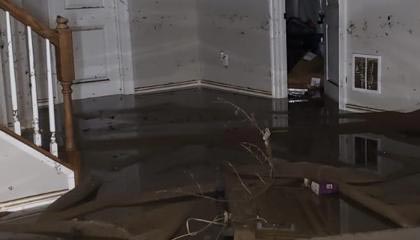
When Homes Require Flood Restoration in Aventura
Aventura, Florida, is a sought-after coastal community known for its luxury homes, high-rise condos, and bayfront properties. While residents enjoy scenic views and modern amenities, the city’s proximity to waterways and the Atlantic Ocean presents unique challenges for property maintenance. Among the most critical is flood damage. Heavy rains, hurricanes, storm surges, and even plumbing failures can lead to water intrusion, compromising the structure, indoor air quality, and long-term value of homes.
Flood restoration is an essential component of property upkeep in Aventura. This article explores the situations in which homes require professional flood restoration, common causes, signs of damage, the restoration process, and practical strategies for preventing future water-related issues.
Understanding the Need for Flood Restoration
Flood restoration goes beyond simply removing standing water. When water enters a home, it can quickly affect multiple areas:
- Structural Integrity: Moisture can weaken wood framing, drywall, subflooring, and flooring materials.
- Indoor Air Quality: Standing water and residual moisture promote mold and microbial growth, affecting health and comfort.
- Property Value: Untreated flood damage can reduce resale value and complicate insurance claims.
- Safety: Water can compromise electrical systems, HVAC units, and load-bearing structures, creating hazards.
- Preventing Secondary Damage: Floodwater, combined with high humidity, can continue to damage walls, flooring, and furnishings long after the initial event.
Professional flood restoration ensures that damage is fully assessed, mitigated, and repaired to prevent recurring problems.
Common Causes of Flooding in Aventura Homes
Several factors contribute to water intrusion in Aventura homes:
1. Severe Weather and Heavy Rain
Florida’s summer thunderstorms and hurricane season bring heavy rainfall. Low-lying areas, bayfront homes, and properties near canals are particularly vulnerable to stormwater infiltration.
2. Storm Surges and High Tides
Coastal flooding can occur during hurricanes or high tide events. Storm surges push water inland, affecting ground-level homes and garages.
3. Plumbing Failures
Burst pipes, leaking water heaters, and faulty appliances often cause localized flooding. These incidents may go unnoticed until water has penetrated walls, flooring, or cabinetry.
4. AC Condensation
Air conditioning units are critical in Aventura’s humid climate. Blocked condensate lines or overflowing drip pans can allow water to seep into ceilings, walls, or floors, especially in multi-level homes.
5. Roof and Window Leaks
Damaged shingles, compromised flashing, or poorly sealed windows can allow water to enter attics and living spaces during storms.
6. Poor Drainage Systems
Clogged gutters, downspouts, and storm drains can lead to pooling water near foundations, patios, or basements, increasing the risk of flooding.
Early Signs That Flood Restoration Is Needed
Recognizing flood damage early is critical. Homeowners should be vigilant for:
- Standing water or puddles in basements, garages, or low-lying areas
- Warped, discolored, or sagging flooring
- Bubbling or peeling paint on walls or ceilings
- Musty odors, indicative of mold or mildew
- Visible mold growth on walls, insulation, or baseboards
- Condensation in attics, crawlspaces, or around HVAC systems
- Tripped electrical circuits or unusual appliance behavior
Addressing these signs promptly prevents further damage and reduces restoration costs.
Hidden Sources of Flood Damage
Flood damage is not always visible. Professional restoration teams often investigate:
- Wall cavities behind drywall or paneling
- Subflooring under carpets or hardwood floors
- Crawlspaces and basements
- Attics with roof leaks or ventilation problems
- HVAC ducts contaminated with moisture or microbial growth
Detecting hidden water is essential to prevent secondary issues such as mold growth, structural weakening, or poor indoor air quality.
Why DIY Flood Cleanup Often Fails
Many homeowners attempt DIY water removal, but this approach has limitations:
- Incomplete Water Extraction: Standing water in wall cavities, subfloors, or ducts may remain, causing ongoing damage.
- Improper Drying: Without industrial-grade fans and dehumidifiers, materials may remain damp, encouraging mold growth.
- Safety Risks: Electrical hazards, contaminated water, and weakened structures pose significant dangers.
- Overlooked Damage: Hidden moisture and structural compromise may go undetected, leading to recurring issues.
Professional flood restoration ensures a comprehensive, safe, and effective process.
The Flood Restoration Process in Aventura
Flood restoration typically follows a structured, step-by-step approach:
Step 1: Assessment and Inspection
- Evaluate visible and hidden water damage using moisture meters, thermal imaging, and hygrometers
- Inspect walls, floors, ceilings, attics, crawlspaces, and HVAC systems
- Identify the source of water intrusion to prevent recurrence
Step 2: Water Extraction
- Remove standing water using pumps, wet vacuums, and specialized extraction equipment
- Extract water from carpets, padding, and flooring to prevent structural compromise
Step 3: Drying and Dehumidification
- Deploy industrial fans, air movers, and dehumidifiers to dry affected areas
- Monitor moisture levels continuously to ensure thorough drying
Step 4: Sanitization and Mold Prevention
- Treat affected areas with antimicrobial and antifungal solutions
- Dispose of contaminated or irreparable materials safely
Step 5: Structural Repairs
- Replace or repair damaged drywall, flooring, insulation, and subflooring
- Address underlying issues such as roof leaks, AC problems, or plumbing failures
Step 6: Post-Restoration Inspection
- Verify that moisture levels are safe and indoor air quality is restored
- Ensure structural integrity before occupancy
Real-World Observations in Aventura
Flood restoration teams often observe patterns specific to Aventura properties:
- High-Rise Condos: Shared plumbing systems and AC units can allow water or condensation to affect multiple units simultaneously.
- Luxury Homes: Pools, water features, and bayfront patios may contribute to water infiltration if not properly maintained.
- Ground-Level Vulnerability: Homes near canals or low-lying streets experience flooding during storms or high tides.
- AC Condensation Issues: Poorly maintained units lead to slow leaks that affect walls and floors over time.
These observations highlight the importance of timely flood restoration and ongoing property maintenance.
Preventing Future Flood Damage
Homeowners and property managers can adopt strategies to reduce the risk of future water intrusion:
1. AC and HVAC Maintenance
- Clean condensate lines, drip pans, and ducts regularly
- Ensure proper airflow and insulation to minimize condensation
2. Roof and Plumbing Inspections
- Repair or replace damaged shingles, flashing, and seals
- Regularly inspect pipes, water heaters, and appliances for leaks
3. Drainage and Landscaping
- Maintain clear gutters and downspouts
- Grade landscaping to divert water away from foundations
4. Humidity Control
- Use dehumidifiers to maintain indoor humidity below 50%
- Improve ventilation in bathrooms, kitchens, and attics
5. Monitoring and Early Detection
- Install moisture sensors in flood-prone areas
- Conduct routine inspections after storms or heavy rainfall
6. Resident Awareness
- Educate household members or tenants to report leaks, water stains, or unusual odors promptly
The Role of Local Expertise
Flood restoration in Aventura requires knowledge of local climate, building practices, and flood patterns. Companies like Tip Top Water and Fire Damage Restoration provide:
- Advanced moisture detection and thermal imaging
- Efficient water extraction and structural drying
- Sanitization and mold prevention
- Guidance on repairs and preventive maintenance
- Assurance that properties are restored safely and protected against recurring water issues
Local expertise ensures that restoration strategies are tailored to Aventura’s coastal environment and unique property structures.
Conclusion
Homes in Aventura require professional flood restoration when exposed to stormwater, high tides, AC condensation, plumbing leaks, or high humidity. Flood damage can affect structural integrity, indoor air quality, and property value if not addressed promptly.
Through professional water removal, drying, sanitization, and repair, homeowners can prevent secondary damage and long-term issues. By combining timely intervention with preventive maintenance and resident awareness, Aventura properties can remain resilient, safe, and healthy year-round.