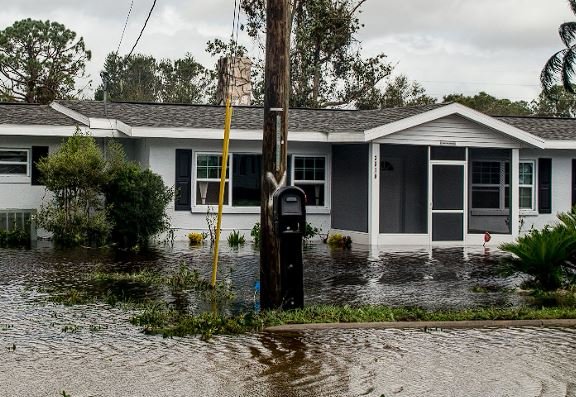
How Coastal Weather Influences Flood Restoration in North Miami Beach
North Miami Beach, Florida, is a vibrant coastal community where waterfront living and tropical landscapes are part of daily life. However, the city’s proximity to the Atlantic Ocean and Biscayne Bay comes with unique challenges, especially when it comes to flood damage and water intrusion. Coastal weather patterns—ranging from heavy seasonal rains to hurricanes and high humidity—directly influence the frequency, severity, and complexity of flood restoration projects.
For homeowners, landlords, and property managers, understanding how coastal weather affects flood restoration is critical. It allows for better preparation, faster response, and more effective long-term maintenance to protect property value, indoor air quality, and structural integrity.
Understanding Flood Restoration
Flood restoration is the professional process of returning a property to its pre-flood condition. It involves:
- Water Removal: Extracting standing or hidden water from floors, walls, and subfloors.
- Drying and Dehumidification: Using industrial-grade equipment to remove moisture from affected materials.
- Sanitization: Treating surfaces to prevent microbial growth, including mold and bacteria.
- Structural Repairs: Replacing or repairing damaged materials like drywall, flooring, or insulation.
- Preventive Measures: Addressing the root cause of water intrusion to minimize future risks.
In North Miami Beach, flood restoration is not just a reactive process. Coastal weather often dictates how and when water enters homes, how quickly it spreads, and the level of intervention required.
Coastal Weather Patterns in North Miami Beach
Several aspects of coastal weather directly impact flood risks:
1. Heavy Seasonal Rains
Florida experiences intense rainfall, particularly during the summer months. Short, high-intensity storms can overwhelm drainage systems, cause localized flooding, and infiltrate homes through basements, ground floors, or poorly sealed foundations.
2. Hurricanes and Tropical Storms
Hurricane season, typically from June through November, brings high winds, heavy rainfall, and storm surges. These events can result in widespread water intrusion, structural damage, and prolonged exposure of materials to moisture.
3. High Humidity Levels
North Miami Beach experiences consistently high humidity, often above 70%. Even without visible flooding, elevated indoor humidity can exacerbate water damage, create conditions for mold growth, and complicate drying processes during restoration.
4. Tidal Influences and Storm Surges
Being a coastal city, high tides and storm surges push seawater inland. Properties near canals, the bay, or low-lying streets are particularly vulnerable to saltwater intrusion, which is more corrosive than freshwater and can damage wood, metal, and concrete.
5. Wind-Driven Rain
During storms, wind-driven rain can penetrate roofs, windows, and doors, introducing water into areas that are otherwise well-sealed. This type of intrusion often affects walls, attics, and crawlspaces, creating hidden damage that requires professional assessment.
How Coastal Weather Complicates Flood Restoration
Coastal weather patterns in North Miami Beach affect flood restoration in several ways:
1. Rapid Water Spread
Heavy rainfall or storm surge can introduce large volumes of water quickly, affecting multiple areas of a home simultaneously. Flood restoration teams must act swiftly to extract water and prevent further damage.
2. Hidden Moisture Retention
Salt-laden air and high humidity contribute to moisture retention in building materials. Wood, drywall, and insulation may absorb water more readily and retain it longer, requiring extended drying and dehumidification periods.
3. Mold and Microbial Growth
Warm, damp conditions accelerate mold growth. Coastal homes exposed to high humidity or stormwater often require simultaneous mold inspection and remediation during flood restoration.
4. Structural Integrity Concerns
Saltwater intrusion can corrode metal fixtures, fasteners, and HVAC components. Wind-driven rain may damage roofing and siding, complicating restoration efforts by introducing additional repair needs beyond water removal.
5. Access and Safety Challenges
Severe storms or high tides may limit access to affected properties, delay restoration, and necessitate temporary safety measures, including water removal from street-level floodwaters or protection from ongoing weather exposure.
Early Signs Homeowners Should Monitor
Recognizing water intrusion early allows for faster intervention:
- Standing water or pooling near entrances, patios, or basements
- Water stains on ceilings, walls, or floors
- Bubbling, warping, or discolored flooring
- Musty or salty odors indicating residual moisture
- Condensation on windows, walls, or HVAC ducts
- Mold growth or discoloration on hidden surfaces
Even minor signs in coastal properties should trigger professional inspection to prevent escalation.
Hidden Areas Most Affected by Coastal Flooding
Professional restoration often uncovers hidden water in locations such as:
- Wall Cavities: Water can seep through small cracks, affecting structural components behind drywall.
- Subfloors: Carpets, padding, and hardwood subfloors absorb water and retain moisture long after surface water is removed.
- Crawlspaces and Basements: Limited ventilation and proximity to ground moisture create persistent dampness.
- Attics: Roof leaks from wind-driven rain or minor storm damage allow water to infiltrate insulation and wooden framing.
- HVAC Systems: Moisture entering ducts can spread water and mold spores throughout the home.
These hidden areas highlight the importance of comprehensive assessment during flood restoration.
The Flood Restoration Process in Coastal Homes
Flood restoration in North Miami Beach homes follows a structured approach, adapted to coastal weather influences:
Step 1: Assessment and Inspection
- Identify visible and hidden water damage
- Measure moisture levels with hygrometers and moisture meters
- Evaluate structural, electrical, and HVAC systems for water exposure
Step 2: Water Extraction
- Remove standing water using pumps, wet vacuums, and specialized extraction equipment
- Address both freshwater and saltwater intrusion, which requires additional cleaning precautions
Step 3: Drying and Dehumidification
- Deploy industrial fans and dehumidifiers to remove moisture from walls, floors, and subfloors
- Continuous monitoring ensures materials are fully dried, minimizing mold growth
Step 4: Sanitization and Mold Prevention
- Apply antimicrobial solutions to affected areas
- Address areas at risk for mold or microbial growth due to high humidity
Step 5: Repairs and Restoration
- Replace damaged materials such as drywall, insulation, flooring, or cabinetry
- Repair roof, window, or structural elements compromised by wind or water
Step 6: Preventive Measures
- Identify and address sources of recurring water intrusion
- Implement improvements to drainage, seals, and ventilation for future storm resilience
Real-World Observations in North Miami Beach
Flood restoration teams working in coastal properties often note specific patterns:
- Bayfront and Canal Homes: Experience recurring flooding from high tides, storm surges, and heavy rain.
- Older Homes: Aging roofing, windows, and foundations allow water to enter during moderate storms, leading to hidden damage.
- High Humidity Impact: Even after water removal, properties require extended drying due to moisture retention in building materials.
- Multi-Unit Buildings: Shared plumbing and AC systems can spread water and humidity to multiple units simultaneously, increasing restoration complexity.
These observations emphasize the importance of professional expertise and timely intervention in coastal flood restoration.
Preventing Future Flood Damage
Homeowners and property managers can take steps to minimize water intrusion:
1. Regular Maintenance
- Inspect roofs, windows, and doors before and after hurricane season
- Clean gutters, downspouts, and storm drains to ensure proper water flow
2. AC and HVAC Care
- Maintain condensate lines and drip pans to prevent leaks
- Ensure ductwork is sealed and free of moisture
3. Structural Improvements
- Install flood barriers or sealants in vulnerable areas
- Elevate electrical systems or HVAC units where possible
4. Moisture Monitoring
- Use sensors to detect early signs of water intrusion
- Monitor indoor humidity levels to prevent mold growth
5. Professional Support
- Engage local flood restoration experts for inspections, maintenance guidance, and rapid response during storms
The Role of Local Expertise
Companies like Tip Top Water and Fire Damage Restoration bring specialized knowledge to North Miami Beach homes:
- Advanced moisture detection and thermal imaging for hidden water
- Expertise with coastal flooding, high tides, and storm surge challenges
- Comprehensive restoration services including water extraction, drying, sanitization, and repairs
- Guidance on preventive strategies tailored to coastal homes and older structures
Local experience ensures flood restoration is effective, timely, and tailored to the unique environmental conditions of North Miami Beach.
Conclusion
Coastal weather in North Miami Beach—characterized by heavy rains, high humidity, hurricanes, storm surges, and tidal influences—plays a central role in water intrusion and flood damage. These conditions make timely, professional flood restoration essential for homeowners, landlords, and property managers.
By recognizing early signs, understanding the impact of coastal weather, and engaging expert restoration services, property owners can mitigate structural damage, prevent mold growth, maintain indoor air quality, and preserve property value. Effective flood restoration combines rapid response, comprehensive drying, targeted repairs, and proactive preventive measures, ensuring that North Miami Beach homes remain resilient and safe year-round.