Simple Ways to Reduce Long-Term Damage: Water Removal Challenges in Sunny Isles Beach
Sunny Isles Beach, Florida, is a picturesque coastal community known for its high-rise condos, oceanfront homes, and vibrant lifestyle. While the area offers breathtaking views and a tropical environment, it also presents unique challenges to property owners, particularly when it comes to water intrusion. High humidity, seasonal storms, heavy rainfall, and proximity to the Atlantic Ocean make water removal an essential aspect of property maintenance.
For homeowners, landlords, and property managers, understanding water removal challenges and implementing strategies to reduce long-term damage is crucial. Proper water removal goes beyond immediate cleanup—it involves addressing underlying issues, preventing mold growth, and protecting structural integrity for the future.
Understanding Water Removal Challenges in Sunny Isles Beach
Water removal is the process of extracting standing water from homes, buildings, or landscapes and mitigating the associated damage. In Sunny Isles Beach, several factors make this task especially challenging:
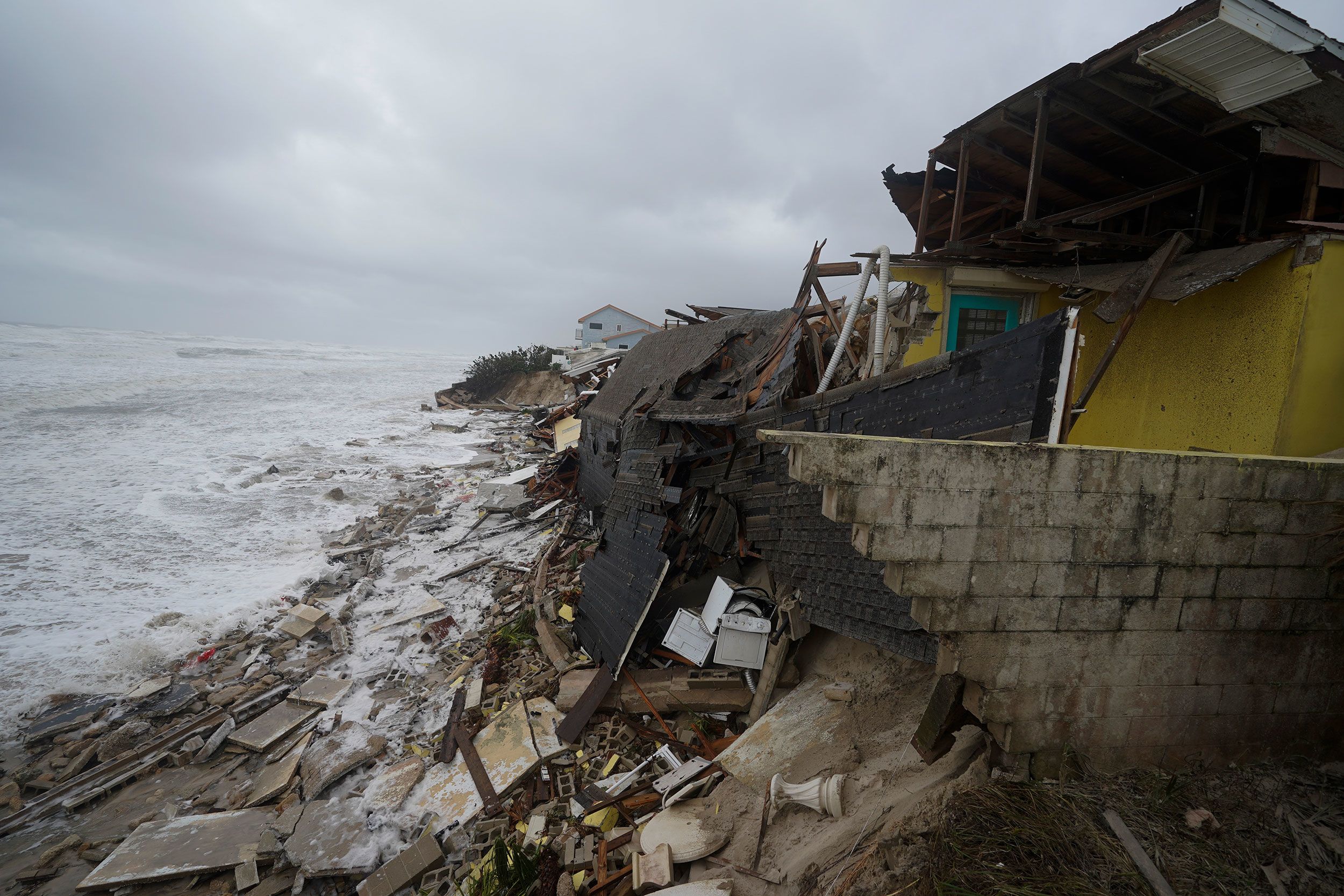
- Coastal Flooding: Rising tides, storm surges, and heavy rainfall can lead to water intrusion, particularly in low-lying areas and bayfront properties.
- High Humidity: Moisture-laden air slows drying, allowing water to seep into materials and promoting microbial growth.
- Aging Infrastructure: Older homes may have compromised foundations, outdated plumbing, or worn roofing, increasing the risk of water penetration.
- Multi-Unit Buildings: Condominiums and high-rise structures often have shared plumbing systems or HVAC lines, making water detection and removal more complex.
- Hidden Water: Water can infiltrate walls, subfloors, attics, and crawlspaces, remaining undetected until damage becomes severe.
Understanding these challenges helps homeowners anticipate potential issues and take proactive steps to protect their property.
Common Causes of Water Intrusion
Several factors contribute to water problems in Sunny Isles Beach properties:
1. Storms and Heavy Rain
Hurricanes, tropical storms, and seasonal rain events can overwhelm drainage systems, seep through windows and doors, and cause roof leaks.
2. Plumbing Failures
Leaky pipes, corroded joints, or faulty appliances like washing machines, dishwashers, and water heaters are frequent sources of water damage.
3. AC Condensation
Air conditioning units generate condensation, which can overflow from blocked drains or poorly maintained drip pans, contributing to water intrusion in attics, ceilings, or floors.
4. Roof and Flashing Issues
Deteriorating roofing materials, damaged flashing, and poor seals around skylights and vents can allow water to penetrate interior spaces.
5. Poor Drainage and Grading
Insufficient grading around a home, clogged gutters, or improper stormwater management can lead to water pooling near foundations and seeping into basements or slabs.
6. Hidden Leaks
Water can collect in wall cavities, under flooring, or in insulation, making detection challenging and repair more complicated.
Signs That Water Removal Is Needed
Homeowners should watch for early indicators of water damage:
- Water stains, discoloration, or bubbling on walls, ceilings, or floors
- Warping, swelling, or buckling of wood flooring or baseboards
- Persistent musty or damp odors
- Visible mold or mildew growth
- Pooled water around appliances, AC units, or plumbing fixtures
- Increased water bills without clear cause
Early detection is crucial to preventing long-term damage and reducing restoration costs.
Water Removal Process
Professional water removal involves a multi-step process designed to mitigate damage and restore properties effectively:
Step 1: Assessment and Inspection
- Identify the source of water intrusion, including hidden leaks and structural vulnerabilities
- Evaluate the extent of water damage, including flooring, walls, subfloors, and HVAC systems
- Use moisture meters, thermal imaging cameras, and hygrometers to detect concealed moisture
Step 2: Water Extraction
- Remove standing water using pumps, wet/dry vacuums, or specialized extraction equipment
- Address both freshwater and saltwater intrusion, particularly in bayfront properties
Step 3: Drying and Dehumidification
- Utilize industrial fans, air movers, and dehumidifiers to remove moisture from walls, floors, and subfloors
- Continuous monitoring ensures all materials are dried, preventing mold growth and structural weakening
Step 4: Cleaning and Sanitization
- Apply antimicrobial treatments to affected areas to prevent mold, mildew, and bacterial growth
- Clean and sanitize flooring, walls, and furniture as needed
Step 5: Structural Repairs
- Replace or repair damaged drywall, insulation, subflooring, or cabinetry
- Address secondary damage caused by prolonged water exposure, including warped wood or corroded metals
Step 6: Preventive Recommendations
- Provide guidance on measures to prevent future water intrusion, such as improved drainage, roof maintenance, and moisture monitoring
Simple Ways to Reduce Long-Term Damage
Beyond immediate water removal, homeowners can implement strategies to minimize future risks and long-term damage:
1. Regular Plumbing and Appliance Maintenance
- Inspect pipes, fixtures, and water heaters regularly
- Replace aging or corroded pipes before leaks occur
- Maintain washing machines, dishwashers, and other water-related appliances
2. Roof and Exterior Care
- Inspect roofs, flashing, and seals annually, particularly before hurricane season
- Clean gutters and downspouts to ensure proper drainage
- Repair damaged siding, windows, and doors to prevent leaks
3. AC System Maintenance
- Clean and inspect condensate lines and drip pans regularly
- Replace filters to maintain airflow and prevent coil freezing
- Service AC units professionally to ensure proper moisture management
4. Moisture Monitoring
- Install moisture sensors in attics, crawlspaces, and other vulnerable areas
- Monitor indoor humidity and maintain levels below 50% when possible
- Use portable dehumidifiers in high-humidity zones
5. Prompt Attention to Leaks
- Address even minor leaks immediately to prevent escalation
- Watch for subtle signs like water stains, odors, or warped flooring
- Engage professionals for hidden or complex leaks
6. Structural and Landscaping Improvements
- Grade the property to direct water away from the foundation
- Seal cracks in foundations and exterior walls
- Consider water-resistant materials for flooring, walls, or outdoor areas prone to flooding
Real-World Observations in Sunny Isles Beach
Professional restoration experts note several trends unique to Sunny Isles Beach properties:
- Recurring Issues in High-Rise Units: Shared plumbing or HVAC systems in condominiums can lead to water intrusion across multiple units.
- Hidden Moisture Risks: Wall cavities, subfloors, and attics frequently contain water that is not visible to homeowners.
- Saltwater Complications: Coastal salt can corrode metal fixtures and worsen damage if water removal is delayed.
- Humidity-Driven Mold: Even small water events can lead to mold growth in humid conditions if not addressed promptly.
These insights highlight the importance of professional water removal combined with preventive maintenance.
Long-Term Protection Strategies
Implementing preventive strategies is key to reducing future damage and ensuring property longevity:
- Schedule routine inspections of plumbing, roofing, and AC systems
- Maintain gutters, downspouts, and property grading for optimal drainage
- Use dehumidifiers and moisture sensors to monitor hidden areas
- Educate residents and occupants to report water issues immediately
- Conduct periodic professional moisture assessments, especially after storms
These measures reduce the likelihood of recurring water damage, preserve indoor air quality, and maintain the property’s value.
Conclusion
Water removal in Sunny Isles Beach is a critical aspect of property maintenance due to the community’s coastal location, high humidity, and exposure to storms. Addressing water intrusion promptly minimizes structural damage, prevents mold growth, and protects indoor air quality.
By understanding the causes of water leaks, recognizing early warning signs, and implementing both professional water removal and long-term preventive measures, homeowners, landlords, and property managers can reduce the risk of recurring damage. Strategies such as regular plumbing and AC maintenance, roof and exterior care, moisture monitoring, and prompt repair of leaks are essential for protecting properties in Sunny Isles Beach.
Effective water removal is not just about cleanup—it’s about long-term protection, proactive maintenance, and preserving the value and safety of coastal homes.