
How Coastal Weather Influences Moisture Detection in Coastal Neighborhoods Near Biscayne Bay
Living in coastal neighborhoods near Biscayne Bay offers beautiful views and easy access to South Florida’s waterfront lifestyle. However, the same coastal conditions that make the area desirable also create persistent moisture challenges for homeowners and property managers. High humidity, storms, salt air, and year-round air-conditioning use often lead to hidden moisture problems inside homes.
At QualityAir Mold Inspection & Testing, many inspections in communities surrounding Biscayne Bay begin after residents notice musty odors or unexplained humidity inside their homes. In many situations, moisture has already become trapped inside walls or flooring long before visible warning signs appear.
Understanding how coastal weather influences moisture detection helps property owners prevent mold growth, avoid structural damage, and maintain healthier indoor environments.
A Common Situation in Biscayne Bay Homes
A typical scenario begins after heavy rain or prolonged humid weather. Wind-driven rain may enter through small gaps around windows or doors, or condensation may build up around air-conditioning systems.
Initially, surfaces appear dry, and homeowners assume the issue resolved itself. Weeks later, however, residents may begin noticing persistent odors or certain rooms feeling damp despite the AC running constantly.
During professional inspection, moisture is frequently found hidden behind walls or beneath flooring where mold growth may already be developing. Because nothing looked serious at first, professional moisture detection was delayed.
This pattern occurs frequently in coastal neighborhoods where humid air slows drying and allows moisture to remain trapped longer than expected.
Why Coastal Weather Creates Ongoing Moisture Risks
Coastal communities near Biscayne Bay face environmental conditions that naturally increase moisture exposure inside homes.
Several factors contribute to this challenge:
- Year-round high humidity
- Frequent rainstorms and tropical weather systems
- Wind-driven rain entering buildings
- Salt air affecting building materials
- Constant air-conditioning use
- Slow drying conditions after moisture intrusion
Even small moisture events can persist because humid outdoor air prevents materials from drying quickly.
Over time, repeated exposure creates hidden moisture pockets that often require professional detection to identify.
How Humidity Influences Hidden Moisture Problems
Humidity plays a major role in moisture detection challenges. In inland areas, water intrusion may dry naturally within days. Near Biscayne Bay, however, humidity levels often remain high enough to slow evaporation significantly.
When moisture remains inside materials:
- Drywall absorbs and holds water
- Insulation remains damp longer
- Flooring and cabinetry swell or warp
- Mold growth may begin forming behind surfaces
Homeowners often mistake humidity for poor air conditioning performance, when the real issue is trapped moisture inside building materials.
Moisture detection helps locate these hidden areas before damage becomes severe.
The Role of Storms and Seasonal Weather
Storms and seasonal weather events regularly affect coastal neighborhoods near Biscayne Bay. Heavy rain and strong winds can push water into homes through small vulnerabilities.
Common intrusion points include:
- Balcony doors and sliding glass doors
- Window seals and frames
- Roof penetrations and flashing
- Exterior wall cracks
- Garage or entry doors
Even when flooding does not occur, wind-driven rain may enter buildings unnoticed.
Water may then travel inside walls or beneath flooring before visible staining appears. Moisture detection inspections often reveal damp areas far from the original entry point.
Routine inspections after storms help prevent hidden damage from worsening.
Why Moisture Detection Is Critical Before Mold Appears
Many homeowners assume mold inspection is only necessary once mold becomes visible. However, mold typically develops after moisture problems remain unresolved.
Moisture detection identifies conditions that allow mold growth before contamination spreads.
Early detection allows property owners to correct leaks or condensation problems quickly, preventing expensive remediation later.
Routine inspections after storms or plumbing repairs often catch hidden moisture before mold appears.
In coastal communities, preventive moisture detection becomes even more important.
Moisture Detection vs. Mold Inspection
Moisture detection and mold inspection serve different purposes but often work together.
A professional mold inspection determines whether mold growth exists or may be hidden inside the home. Inspectors examine kitchens, bathrooms, HVAC systems, attics, and exterior exposure areas.
Moisture detection focuses specifically on locating hidden damp materials before mold begins growing.
Both services help identify moisture sources and prevent long-term problems.
QualityAir Mold Inspection & Testing focuses on inspection and testing so corrective action addresses root moisture conditions rather than only visible symptoms.
Why DIY Methods Often Miss Coastal Moisture Problems
Some homeowners try to detect moisture themselves by checking visible surfaces or monitoring indoor humidity levels. While helpful, these methods often miss hidden moisture.
Walls and flooring may appear dry while deeper materials remain damp. Moisture trapped behind surfaces cannot be detected without professional equipment.
Another common mistake is assuming air-conditioning alone controls humidity. AC systems help, but they do not always remove moisture trapped inside structures.
Professional detection tools locate hidden moisture accurately.
What Happens During Professional Moisture Detection
Professional moisture detection follows a structured approach.
Inspectors begin by discussing homeowner concerns, including recent storms, leaks, or humidity problems. Property history often reveals likely moisture sources.
A visual inspection evaluates living areas, kitchens, bathrooms, HVAC systems, and exterior exposure points.
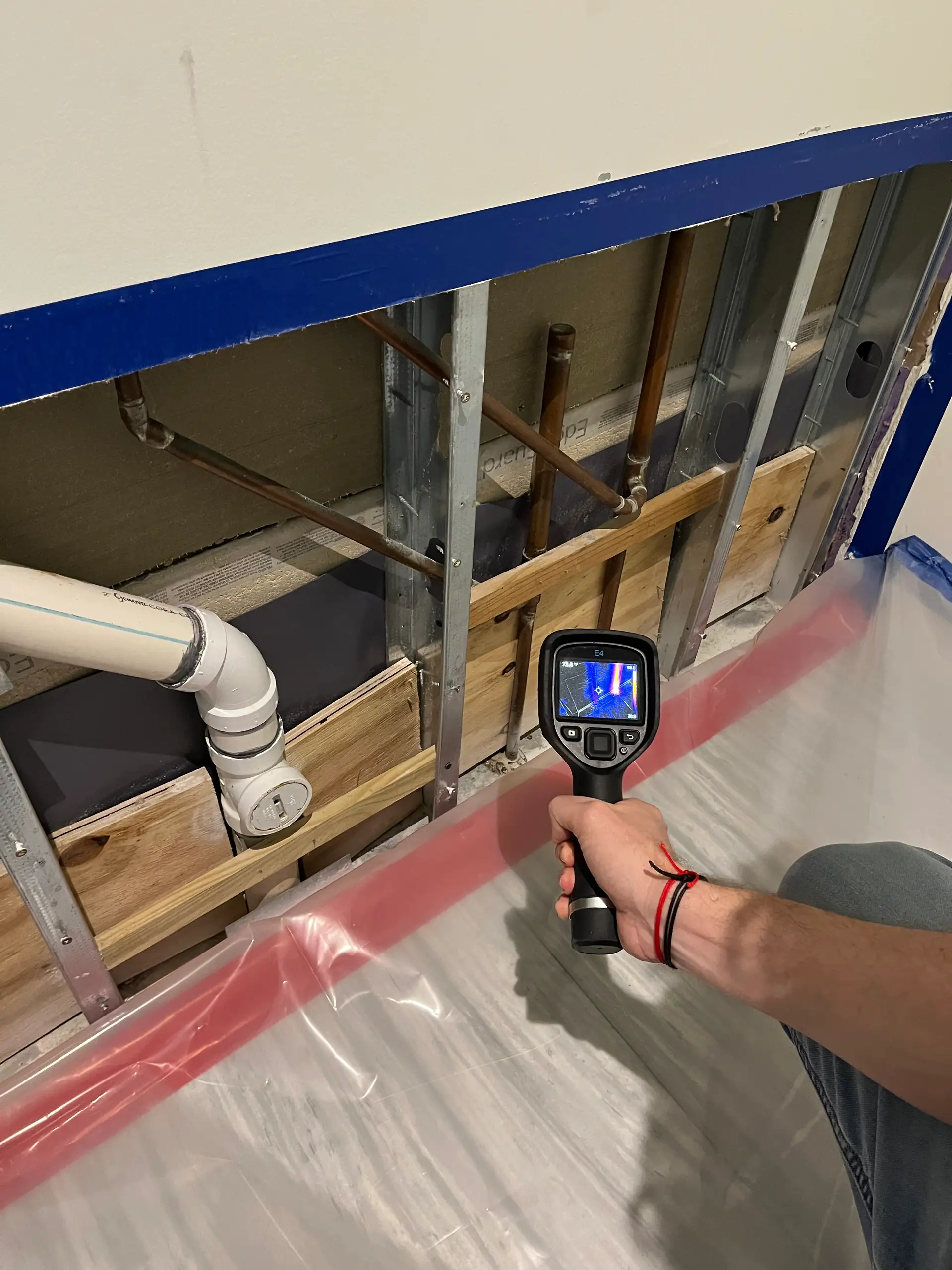
Moisture meters measure dampness behind walls and beneath flooring. Thermal imaging cameras help detect hidden moisture patterns without damaging surfaces.
If mold growth is suspected, additional testing may be recommended.
Homeowners receive a detailed report explaining findings and recommended corrective actions.
This process ensures moisture problems are accurately identified.
An Insight Many Coastal Homeowners Don’t Expect
One surprising lesson from inspections near Biscayne Bay is that small, repeated moisture events often cause more long-term damage than large flooding incidents.
Major water events usually prompt immediate cleanup. However, minor leaks or condensation issues may continue unnoticed for months.
By the time odors or humidity concerns appear, moisture may already be widespread behind surfaces.
Routine moisture detection inspections often prevent expensive remediation later.
Practical Prevention Steps for Coastal Homes
Preventing moisture problems requires consistent maintenance and awareness of coastal conditions.
Air-conditioning systems should receive regular servicing to ensure condensation drains properly and humidity remains controlled.
Windows, doors, and exterior seals should be inspected after storms to catch leaks early.
Bathrooms and kitchens should be ventilated during use to reduce humidity buildup.
Furniture should not be placed tightly against exterior walls where condensation may occur.
Leaks should be repaired quickly, and wet materials dried promptly after intrusion events.
Periodic professional inspections help confirm hidden moisture problems have not developed.
Preventive maintenance reduces long-term repair costs.
Why Local Experience Matters Near Biscayne Bay
Moisture behavior differs significantly in coastal climates compared to inland regions. Inspectors must understand how Biscayne Bay’s humidity, storms, and coastal exposure influence moisture movement inside homes.
Our experience inspecting properties throughout coastal neighborhoods near Biscayne Bay allows us to quickly recognize moisture patterns common in waterfront homes and recommend practical prevention strategies suited to local conditions.
Local expertise leads to faster identification of risks and realistic solutions.
Practical Guidance for Property Owners
If your home develops persistent humidity, musty odors, or signs of hidden moisture, professional detection helps prevent problems from worsening.
QualityAir Mold Inspection & Testing provides professional moisture detection, mold inspection, and indoor air quality testing while coordinating remediation when necessary.
Taking action early protects indoor comfort, prevents hidden structural damage, and helps maintain long-term property value in coastal communities near Biscayne Bay.
Moisture detection should be viewed as part of routine home maintenance—ensuring that coastal weather does not quietly create costly problems behind the walls of your home.