When Homes Require Moisture Detection in Bal Harbour
Located along the Atlantic coastline of South Florida, Bal Harbour is known for its luxury high-rise residences, waterfront estates, and proximity to pristine beaches. While the area offers upscale coastal living, it also presents unique environmental challenges—particularly when it comes to hidden moisture accumulation inside homes.
In Bal Harbour, moisture problems are rarely obvious at first. Unlike dramatic flood events, many issues develop slowly due to humidity, salt air, condensation, aging building systems, or subtle leaks. Because of this, moisture detection becomes a critical step in protecting both property value and indoor air quality.
This in-depth guide explores when homes in Bal Harbour require professional moisture detection, why coastal conditions increase risk, and how early intervention prevents expensive structural and mold-related damage.
Understanding Why Moisture Is a Serious Issue in Bal Harbour
Bal Harbour sits directly along the Atlantic Ocean, near Biscayne Bay, where coastal weather patterns dominate year-round. Warm ocean air carries high humidity levels that frequently remain above 70%, especially during late spring, summer, and hurricane season.
Key Environmental Factors
- Persistent high humidity
- Salt-laden air exposure
- Frequent heavy rainstorms
- Tropical storm and hurricane threats
- Warm temperatures that accelerate material deterioration
Because of these conditions, moisture does not simply evaporate quickly. Instead, it lingers, penetrates materials, and accumulates in hidden spaces.
Primary Situations When Homes Require Moisture Detection
1. After Prolonged High Humidity
Even without visible water intrusion, extended periods of humidity can saturate building materials.
Why Humidity Alone Is Enough
- Drywall absorbs airborne moisture
- Wood framing expands and retains dampness
- Insulation traps humidity inside wall cavities
- Flooring materials swell
In Bal Harbour’s coastal climate, weeks of elevated humidity can quietly create ideal conditions for mold growth and structural weakening.
If indoor humidity remains above 60% for extended periods, professional moisture detection is strongly recommended.
2. After Heavy Rain or Coastal Storms
Bal Harbour frequently experiences intense rain events during hurricane season.
Why Rainwater Penetration Is Often Hidden
- Roof flashing failures may not show immediate leaks
- Window seals may allow slow water seepage
- Balcony drains may back up
- Exterior stucco can absorb and retain water
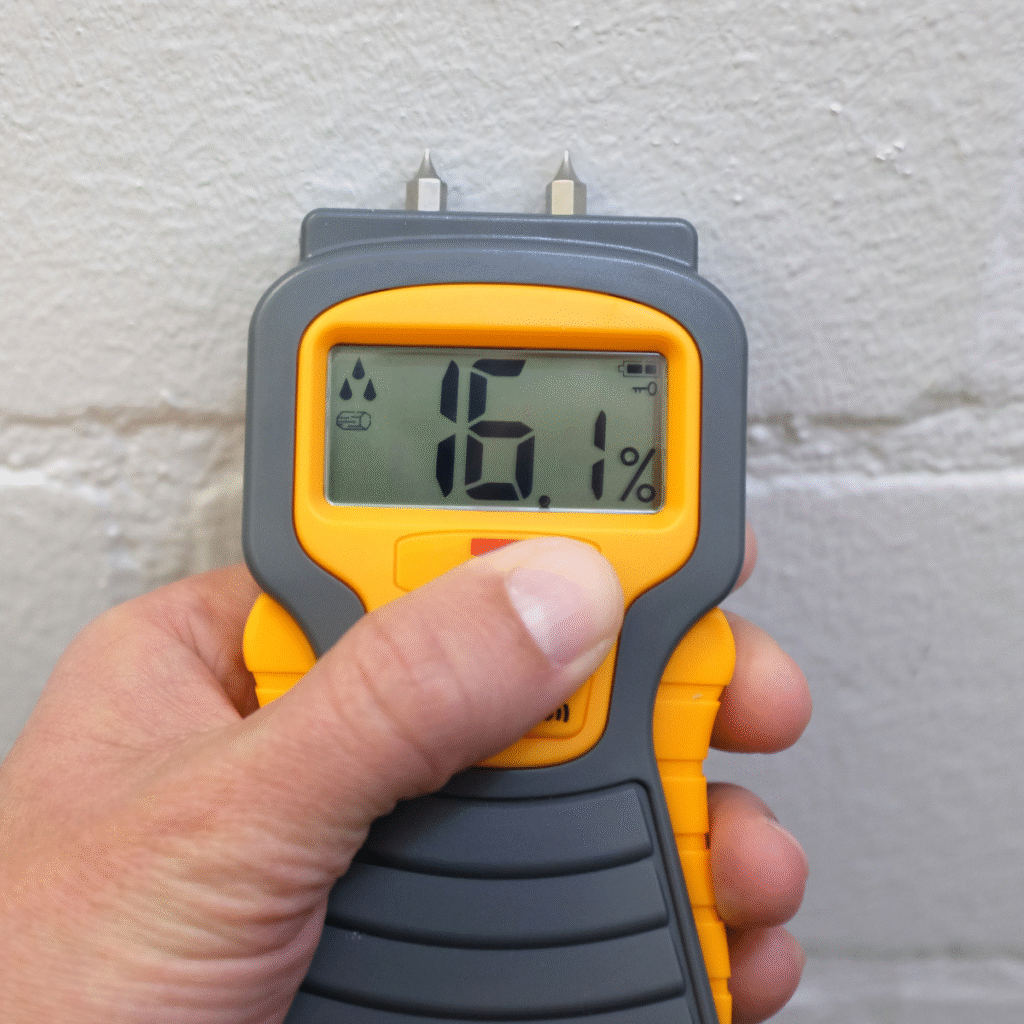
Moisture detection tools such as thermal imaging cameras and non-invasive moisture meters help identify trapped water behind walls and ceilings before damage becomes visible.
3. When Musty Odors Persist Indoors
One of the earliest signs that moisture detection is needed is a persistent musty or earthy odor.
This smell often indicates:
- Hidden mold growth
- Damp insulation
- Moisture inside HVAC ductwork
- Saturated subflooring
Because mold does not grow without moisture, identifying the moisture source becomes the top priority.
4. When Paint Bubbles or Walls Discolor
In high-rise condos and waterfront estates, bubbling paint or staining on ceilings and walls often signals concealed moisture.
Common Causes in Bal Harbour
- AC condensation leaks
- Pipe leaks inside walls
- Roof seepage in penthouse units
- Window frame intrusion during storms
By the time paint shows visible damage, moisture has usually been present for some time.
5. After Plumbing Issues—Even Minor Ones
A slow leak under a sink or behind a washing machine may seem insignificant, but in humid coastal environments, it becomes more serious.
Why Minor Leaks Escalate Quickly
- High humidity prevents drying
- Enclosed cabinetry traps moisture
- Mold growth accelerates in warm temperatures
Moisture detection confirms whether dampness has spread beyond the immediate leak site.
6. When AC Systems Malfunction
Air conditioning systems in Bal Harbour operate almost year-round. They are also one of the most common sources of hidden moisture.
AC-Related Moisture Problems
- Clogged condensate lines
- Overflowing drain pans
- Frozen coils that thaw and drip
- Ductwork condensation
Because many luxury condos house air handlers in closets or ceiling cavities, moisture may spread unnoticed for weeks.
Professional moisture detection ensures AC-related dampness is located before mold colonization begins.
Why High-Rise Condos Require Special Attention
Bal Harbour features numerous luxury oceanfront condominium towers.
Unique Moisture Risks in High-Rise Buildings
- Shared plumbing lines between units
- Balcony waterproofing failures
- Wind-driven rain intrusion
- Concrete slab moisture retention
Water from an upstairs unit may travel through concrete before appearing as a stain below. Moisture detection helps determine the true origin.
Hidden Areas Where Moisture Commonly Accumulates
In Bal Harbour homes and condos, moisture is often found in:
- Behind kitchen cabinets
- Under hardwood or engineered flooring
- Inside walk-in closets
- Around sliding glass doors
- Behind bathroom tile walls
- Inside attic insulation in single-family homes
Because many of these areas are not visible during daily living, professional inspection tools are essential.
The Role of Salt Air in Moisture Problems
Salt particles carried by ocean air cling to surfaces and attract water molecules.
How Salt Air Increases Moisture Risk
- Surfaces remain damp longer
- Metal components corrode faster
- Sealants deteriorate more quickly
- Window frames weaken over time
Salt exposure makes materials more porous, allowing moisture to penetrate deeper into structural components.
Signs That Immediate Moisture Detection Is Necessary
Homeowners in Bal Harbour should schedule moisture detection if they notice:
- Persistent humidity despite AC use
- Condensation on windows daily
- Warping wood flooring
- Soft drywall spots
- Ceiling stains
- Recurring allergy symptoms indoors
Early testing can prevent extensive mold remediation later.
How Moisture Detection Works
Professional moisture detection involves a multi-step process:
1. Visual Inspection
Technicians assess visible signs of staining, swelling, or material damage.
2. Moisture Meter Testing
Specialized meters measure water content inside walls and floors without major demolition.
3. Thermal Imaging
Infrared cameras detect temperature differences that indicate hidden moisture pockets.
4. Hygrometer Readings
Indoor humidity levels are evaluated to determine environmental risk.
5. Targeted Opening (If Necessary)
Small inspection holes may be made to confirm moisture presence.
Why Early Detection Protects Property Value
Bal Harbour real estate is among the most valuable in South Florida. Undetected moisture can:
- Lead to black mold growth
- Cause structural wood rot
- Damage high-end flooring
- Compromise luxury cabinetry
- Create insurance claim complications
Timely moisture detection protects both property value and resale potential.
Health Implications of Hidden Moisture
Moisture itself may not always be visible, but its effects are often felt.
Potential Health Concerns
- Increased allergy symptoms
- Respiratory irritation
- Headaches
- Asthma flare-ups
Because mold requires moisture to grow, eliminating damp conditions improves indoor air quality.
When Routine Moisture Inspections Are Recommended
Even without visible signs, certain properties in Bal Harbour benefit from routine moisture assessments:
- Waterfront estates
- Ground-floor condo units
- Older homes lacking vapor barriers
- Properties with previous leak history
- Homes left vacant for extended periods
Annual inspections can catch early warning signs.
Preventive Measures After Moisture Detection
Once moisture is identified and corrected, prevention strategies include:
- Maintaining indoor humidity between 45–55%
- Servicing HVAC systems regularly
- Cleaning AC drain lines
- Sealing window frames
- Inspecting roofs annually
- Improving ventilation in closets and bathrooms
Proactive care reduces the need for large-scale restoration later.
The Financial Impact of Ignoring Moisture
Delaying moisture detection can lead to:
- Extensive mold remediation
- Flooring replacement
- Structural repairs
- Increased insurance premiums
- Temporary relocation costs
In luxury Bal Harbour properties, material replacement costs can escalate quickly.
Why Professional Expertise Matters
Moisture detection in coastal environments requires understanding:
- How humidity behaves near the ocean
- How concrete slabs retain water
- How salt affects building materials
- How high-rise plumbing systems operate
Experienced restoration professionals know where to look and how to interpret moisture readings accurately.
Final Thoughts
Homes in Bal Harbour require moisture detection whenever prolonged humidity, storm exposure, plumbing issues, AC malfunctions, or subtle warning signs appear. Coastal conditions create an environment where moisture rarely dries on its own and often hides inside structural components.
In a luxury coastal community where property values are high and environmental exposure is constant, moisture detection is not simply a reaction to visible water—it is a proactive protection strategy.
By identifying hidden dampness early, homeowners preserve structural integrity, maintain indoor air quality, and prevent the costly chain reaction that begins with unnoticed moisture.
In Bal Harbour, moisture detection is not optional maintenance—it is essential coastal property protection.