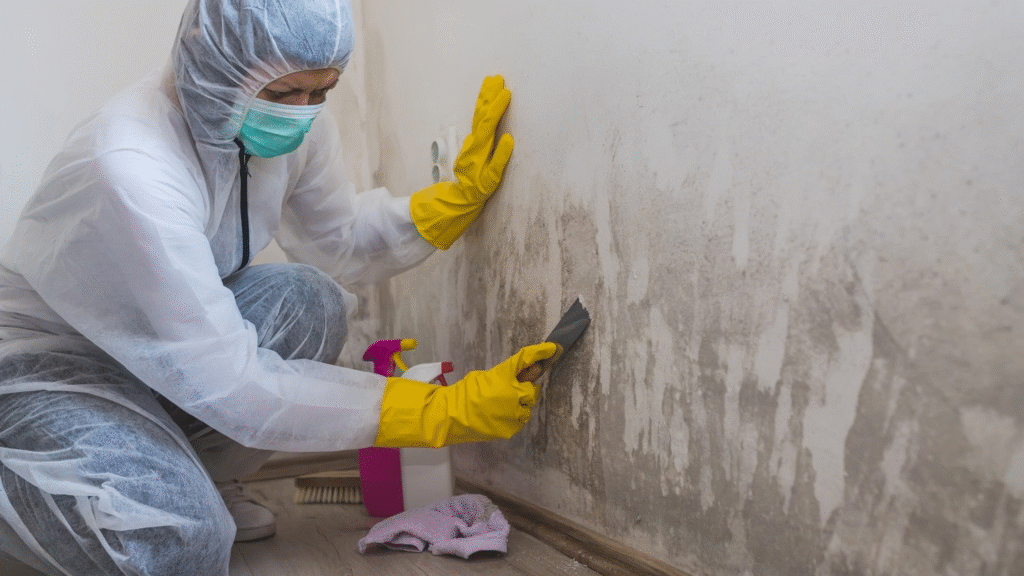
How Coastal Weather Influences Mold Removal in Miami Shores
Miami Shores, Florida, is known for its scenic neighborhoods, tropical landscaping, and proximity to Biscayne Bay. Yet, the very environment that makes it appealing also presents challenges for homeowners—especially when it comes to mold. In Miami Shores, coastal weather plays a critical role in creating the conditions that make mold removal a recurring necessity. Understanding how humidity, storms, and salt air affect mold growth is essential for long-term home protection.
The Impact of Coastal Weather on Mold Growth
Mold thrives in environments that are warm, humid, and prone to moisture accumulation. Miami Shores has all three factors in abundance:
- High humidity year-round: Even without visible water intrusion, air moisture can saturate building materials, creating ideal conditions for mold spores to flourish.
- Frequent rainstorms and hurricanes: Heavy rain can penetrate roofs, windows, and walls, introducing moisture to interiors.
- Salt-laden air: Coastal salt air accelerates material degradation, making surfaces more susceptible to mold colonization.
These conditions make mold removal more complex than in inland areas, requiring specialized techniques and proactive management.
1. How Coastal Storms Affect Mold in Homes
Storms are one of the most direct ways that coastal weather contributes to mold growth:
A. Water Intrusion
- Wind-driven rain can enter through small gaps in windows, doors, or balcony thresholds.
- Roof leaks or flashing failures allow water to reach attics and ceilings.
- Even minor flooding or standing water in garages or basements can lead to hidden mold.
B. Delayed Drying
Post-storm moisture often lingers longer due to high humidity and limited airflow in Miami Shores homes. Surfaces that remain damp for days to weeks create ideal breeding grounds for mold, especially in:
- Wall cavities
- Flooring layers
- Crawl spaces
- HVAC ductwork
2. High Humidity: A Silent Contributor
Humidity in Miami Shores rarely falls below 60%, even during dry months. Elevated moisture levels affect building materials in ways that often go unnoticed:
- Drywall absorbs moisture and softens
- Wood framing swells and traps water vapor
- Insulation retains water, increasing mold risk
Over time, this slow accumulation of moisture can trigger mold growth without any visible leaks, highlighting the need for professional moisture detection.
3. Salt Air and Material Vulnerability
Salt-laden air accelerates corrosion and material degradation, indirectly promoting mold:
- Metal fasteners and HVAC components corrode, creating gaps where water can enter
- Wood and drywall deteriorate faster when exposed to moisture and salt
- Protective coatings on surfaces wear out, allowing mold spores to attach and grow
This combination makes mold removal more difficult and emphasizes the need for regular inspections.
4. HVAC Systems and Mold Spread
Air conditioning systems, essential in Miami Shores, can become sources of mold if not properly maintained:
- Condensation lines may clog, causing overflow
- AC units in humid environments can generate persistent moisture
- Ductwork can harbor mold, spreading spores throughout the home
Mold removal often requires cleaning or replacing affected ducts and components, especially in coastal high-rise or condo units.
5. Common Problem Areas in Coastal Homes
Certain locations in Miami Shores homes are particularly vulnerable to mold growth due to coastal weather:
- Attics and ceilings
- Bathrooms and kitchens with poor ventilation
- Slab foundations and crawl spaces
- Balcony connections and exterior walls
- Under carpeting and laminate flooring
Professional mold removal addresses both visible mold and hidden infestations to prevent recurrence.
6. Why DIY Mold Removal Often Fails
Homeowners may attempt to clean small patches of mold, but in Miami Shores, DIY approaches often fail because:
- Humidity persists even after cleaning
- Hidden moisture behind walls or under floors remains untreated
- AC and duct-related mold spreads spores throughout the home
- Salt-air exposure makes surfaces more prone to re-colonization
Effective mold remediation requires industrial-grade equipment, moisture mapping, and targeted treatments.
7. Professional Mold Inspection and Remediation
Inspection
- Moisture meters and thermal imaging detect damp areas
- Air testing identifies spore concentrations
- Walls, floors, attics, and HVAC systems are examined
Removal
- Contaminated materials are safely removed or cleaned
- HEPA filtration and air scrubbing control spores
- Surfaces are treated to prevent regrowth
Monitoring
- Moisture levels are tracked until safe
- Post-remediation inspections confirm mold elimination
8. Preventing Mold in Miami Shores Homes
Proactive measures reduce the frequency and cost of mold removal:
- Maintain indoor humidity between 45–55%
- Regularly inspect roofs, windows, and balconies for leaks
- Clean and maintain AC systems and ducts
- Use water-resistant materials in kitchens and bathrooms
- Install drainage solutions for yard and slab water management
These steps are particularly important in coastal homes, where moisture and weather challenges are constant.
9. Long-Term Considerations
Mold removal is only one part of managing coastal weather challenges:
- Schedule seasonal inspections, especially post-storm
- Monitor hidden moisture behind walls and flooring
- Address minor leaks before they escalate
- Consider local professionals who understand Miami Shores’ climate and construction trends
Proper planning ensures that mold does not recur, maintaining indoor air quality and property value.
10. The Value of Local Expertise
Miami Shores homeowners benefit from professionals familiar with:
- Coastal weather patterns
- High humidity effects on materials
- Storm water intrusion pathways
- AC and ductwork vulnerabilities
Companies like Tip Top Water and Fire Damage Restoration understand these nuances, providing mold removal solutions that are thorough, efficient, and designed for local conditions.
Final Thoughts
Mold removal in Miami Shores is heavily influenced by coastal weather, which creates persistent humidity, storm-related water intrusion, and salt-air challenges. Understanding how these factors impact mold growth helps homeowners and property managers take proactive measures. Professional inspections, moisture monitoring, and targeted remediation ensure that mold does not threaten property, health, or indoor air quality. In coastal communities, awareness and local expertise are key to managing and preventing mold long-term.