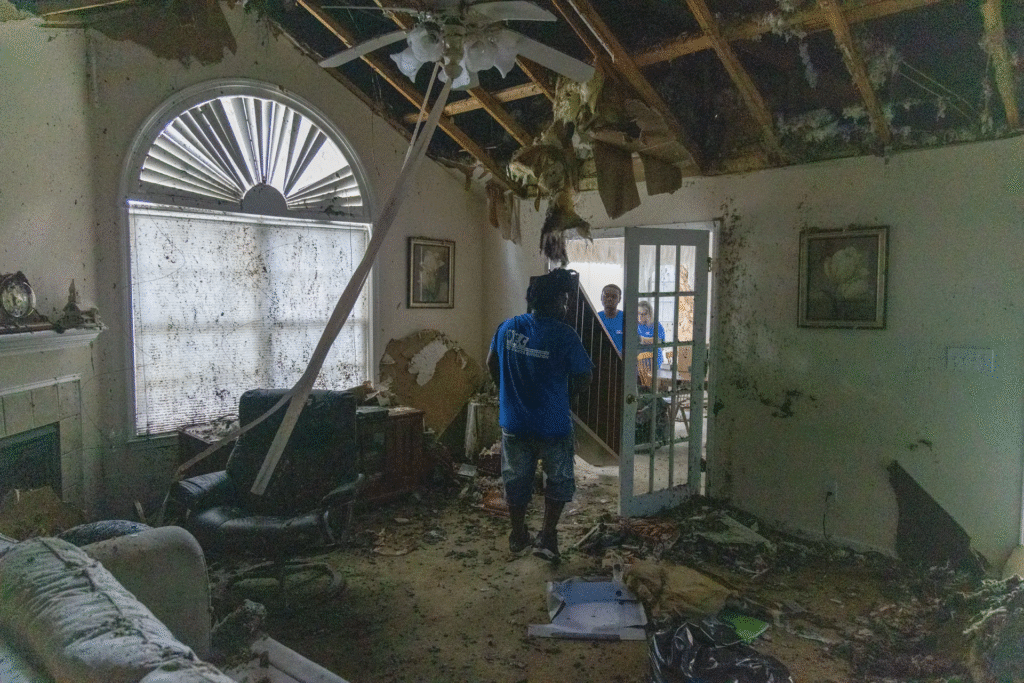
A Property Owner’s Guide to Smoke Damage Cleanup in Miami Shores
Miami Shores, Florida, is a coastal community known for its waterfront homes, charming neighborhoods, and proximity to Biscayne Bay. While the location provides beautiful views and lifestyle benefits, it also poses unique challenges when dealing with smoke damage. Whether from small kitchen fires, electrical malfunctions, or neighboring property incidents, smoke damage cleanup is essential to maintain property value, indoor air quality, and long-term structural integrity.
This guide provides property owners with a comprehensive understanding of smoke damage, its causes, the cleanup process, and practical strategies for preventing long-term issues.
1. Understanding Smoke Damage
Smoke damage is the result of combustion byproducts, including soot, ash, and microscopic particles that infiltrate a home. Unlike visible fire damage, smoke can affect areas far from the source:
- Walls and ceilings absorb smoke, causing discoloration and odors.
- HVAC systems distribute smoke particles throughout the property.
- Porous materials such as drywall, carpeting, and furniture can trap odors.
- Electronics and metals may corrode when exposed to smoke and humidity.
In Miami Shores, coastal humidity worsens smoke adhesion, making thorough cleanup more challenging.
2. Why Miami Shores Homes Are Especially Vulnerable
Several factors increase smoke damage severity in this region:
- High Humidity: Moist air binds soot to surfaces, complicating cleaning.
- Salt Air Exposure: Accelerates corrosion on metals and electronics.
- Older and Multi-Story Properties: Porous materials and complex layouts allow smoke to penetrate hidden areas.
- Storm Season: Moisture from hurricanes or heavy rain can combine with smoke residues, creating stubborn stains and accelerating damage.
Awareness of these local conditions helps homeowners anticipate cleanup challenges.
3. Early Signs of Smoke Damage
Property owners should look for:
- Soot deposits on walls, ceilings, and floors
- Lingering smoky or burnt odors
- Discoloration or yellowing of painted surfaces
- Residue inside HVAC vents or ductwork
- Corrosion on appliances or electronic devices near the fire source
Prompt recognition enables faster professional intervention, reducing long-term damage.
4. Hidden Smoke Damage
Not all damage is immediately visible:
- Inside walls and ceilings: Smoke can penetrate drywall and insulation.
- Attics and crawl spaces: Smoke settles on structural beams.
- Ducts and HVAC systems: Spread smoke particles throughout the property.
- Soft surfaces: Carpets, upholstery, and curtains retain smoke deeply.
Ignoring hidden smoke can lead to persistent odors and mold growth in humid coastal environments.
5. Why DIY Cleanup Often Fails
Attempting to remove smoke damage without professional assistance can result in:
- Residual odors due to persistent moisture binding soot
- Hidden damage in walls, ceilings, or HVAC systems
- Stains caused by inappropriate cleaning agents
- Incomplete mold and microbial prevention
Professional cleanup ensures all areas—visible and hidden—are addressed effectively.
6. The Professional Smoke Damage Cleanup Process
Step 1: Inspection and Assessment
Technicians identify:
- Soot deposits on surfaces
- Odor penetration in fabrics, insulation, and structural materials
- Contaminated HVAC systems
- Electrical or electronic items affected by smoke
Advanced moisture detection may be used in high-humidity areas to prevent secondary damage.
Step 2: Containment
Affected areas are sealed to prevent the spread of soot and smoke during cleaning.
Step 3: Cleaning and Removal
- Walls, ceilings, and floors are cleaned using dry and wet methods
- Airborne particles are removed with HEPA filtration and air scrubbers
- Upholstery, curtains, and carpets are treated or replaced
- Severely damaged items may be discarded
Step 4: Odor Removal
Techniques include:
- Thermal fogging to penetrate porous surfaces
- Ozone or hydroxyl treatments for air purification
- Duct cleaning to remove smoke residues from HVAC systems
Step 5: Restoration
Final restoration includes repairing walls, ceilings, floors, and repainting. Preventive measures, such as moisture barriers and protective coatings, may be applied.
7. Preventive Strategies for Property Owners
To reduce the long-term impact of smoke damage:
- HVAC Maintenance: Regular duct cleaning and filter replacement
- Fire Safety Planning: Smoke detectors, fire extinguishers, and electrical inspections
- Humidity Control: Use dehumidifiers to prevent moisture binding soot
- Protective Coatings: Fire-resistant paints on walls and ceilings
- Routine Inspections: Quick assessment after any fire or smoke incident
These practices help minimize cleanup needs and property degradation.
8. Coastal Weather and Its Influence
Miami Shores’ climate affects smoke damage cleanup:
- High humidity prolongs odor absorption and surface staining
- Salt air accelerates corrosion of metals and electronics
- Storm-related moisture can combine with soot, creating stubborn residues
Professional cleanup considers these factors to ensure thorough remediation.
9. Lessons from Local Properties
Observations from Miami Shores homes reveal:
- Minor smoke exposure can cause persistent odors if not addressed quickly
- Hidden smoke damage leads to secondary issues like mold growth
- Seasonal inspections and preventive maintenance are crucial in coastal homes
- Proper ventilation and AC management reduce smoke residue adhesion
These insights emphasize proactive management in addition to professional restoration.
10. Importance of Local Expertise
Companies like Tip Top Water and Fire Damage Restoration offer:
- Knowledge of coastal weather effects on smoke residues
- Expertise in high-humidity environments and multi-story homes
- Proper combination of cleaning, deodorization, and preventive strategies
Local expertise ensures effective cleanup and long-lasting results.
11. Final Thoughts
Smoke damage in Miami Shores presents unique challenges due to fire, humidity, and coastal conditions. Professional smoke damage cleanup addresses visible and hidden damage, removes odors, restores affected areas, and prevents long-term deterioration. Property owners who act promptly, follow preventive measures, and engage experienced local professionals can maintain the safety, value, and livability of their homes in this coastal community.