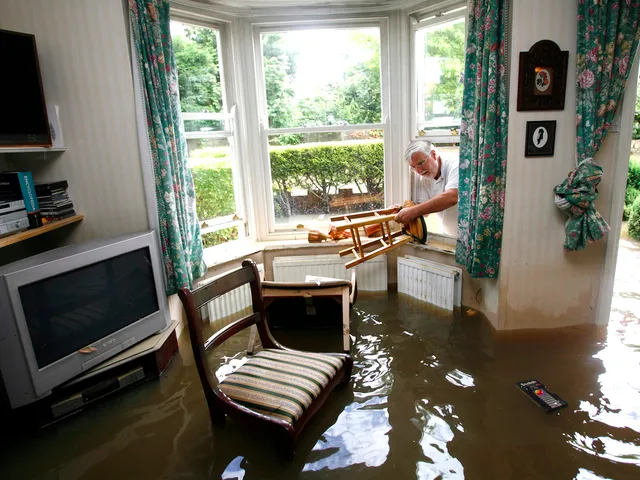
Why Water Removal Becomes Necessary in Biscayne Park Following Indoor Flooding
Biscayne Park, Florida, is a beautiful residential community known for its lush landscaping, charming homes, and proximity to the Miami coastline. While living in such a vibrant, coastal area offers many lifestyle benefits, it also presents significant challenges—particularly regarding water intrusion. Indoor flooding, whether from plumbing failures, storm surges, or heavy seasonal rainfall, is a frequent concern. When water enters a home, prompt water removal is essential to protect the property, prevent mold growth, and maintain structural integrity.
This guide explores the reasons water removal is critical in Biscayne Park homes, common sources of flooding, the professional water removal process, and strategies to minimize future risks.
1. Understanding Indoor Flooding
Indoor flooding occurs when water accumulates inside a home in quantities that exceed normal household usage or accidental spills. Common characteristics include:
- Standing water on floors
- Damp walls, ceilings, or subfloors
- Water infiltration into crawl spaces, basements, or under slab foundations
In Biscayne Park, indoor flooding is often exacerbated by high humidity, coastal weather patterns, and storm events, making rapid intervention critical.
2. Why Water Removal Is Critical
Water left standing or absorbed into building materials can cause multiple issues:
- Structural damage: Wooden floors, drywall, and subflooring can warp, rot, or delaminate.
- Mold and microbial growth: High humidity accelerates fungal growth, posing health risks and property damage.
- HVAC and electrical problems: Water can infiltrate ducts, wiring, and appliances, increasing the risk of corrosion or shorts.
- Long-term deterioration: Persistent moisture reduces property value and may require extensive repair if untreated.
Prompt water removal addresses both visible and hidden water, protecting homes from long-term complications.
3. Common Causes of Indoor Flooding in Biscayne Park
Understanding why homes flood helps prevent future incidents:
- Storm surges and heavy rainfall: Coastal areas are prone to flash floods and storm-related water intrusion.
- Plumbing failures: Burst pipes, leaking water heaters, or malfunctioning appliances often create sudden indoor flooding.
- AC system failures: Condensation lines or clogged drip pans can saturate floors and nearby structures.
- Roof leaks or window seal failures: Water can enter homes during heavy storms.
- Slab and crawl space vulnerabilities: Older homes with foundation cracks are more susceptible to hidden water accumulation.
Recognizing these risks allows homeowners to act quickly and mitigate damage.
4. Early Signs of Water Damage
Homeowners should watch for warning signs after any flooding event:
- Standing or pooling water on floors
- Damp or soft spots in walls, ceilings, or flooring
- Musty odors indicating hidden moisture
- Discoloration or warping of materials
- Increased humidity or condensation in living areas
Even small or unnoticed leaks can escalate if water removal is delayed.
5. Hidden Water: A Major Concern
Not all flooding is immediately visible:
- Inside walls and ceilings: Water can soak drywall and insulation, causing long-term structural damage.
- Crawl spaces and slab foundations: Hidden pools of water can weaken subfloors and foundations.
- HVAC systems: Moisture may infiltrate ducts, spreading odors and promoting mold growth.
- Under carpeting and flooring: Water trapped under surfaces can persist unnoticed, creating microbial growth.
Professional water removal targets both visible and hidden water to prevent lingering problems.
6. Why DIY Water Removal Often Fails
Homeowners may attempt to dry out flooded areas themselves, but this approach is often inadequate:
- Incomplete water extraction: Standing water may only be partially removed, leaving residual moisture in floors and walls.
- Hidden moisture remains: Without specialized tools, water in subfloors, cavities, and ductwork may persist.
- Mold growth risk: DIY drying rarely achieves the low moisture levels necessary to prevent fungal development.
- Potential damage: Improper drying can warp wood, delaminate flooring, or stain surfaces.
Professional water removal uses specialized equipment and techniques to ensure thorough and safe drying.
7. The Professional Water Removal Process
Step 1: Assessment
Technicians evaluate the extent of water intrusion, identifying:
- Affected areas and surfaces
- Sources of water entry
- Presence of contamination or potential microbial growth
Step 2: Water Extraction
- Industrial-grade water extractors remove standing water from floors and carpets.
- Subfloor and wall cavities are accessed where water may have accumulated.
- Moisture mapping identifies areas needing additional attention.
Step 3: Drying and Dehumidification
- Air movers and industrial dehumidifiers accelerate drying.
- Continuous moisture monitoring ensures carpets, padding, walls, and subflooring are completely dry.
- Hidden areas, such as crawl spaces and HVAC ducts, receive targeted drying to prevent mold.
Step 4: Sanitization and Cleaning
- Surfaces are treated with antimicrobial agents to prevent microbial growth.
- Carpets and upholstery are cleaned to remove waterborne contaminants.
- Structural components are inspected and repaired as necessary.
Step 5: Restoration
- Damaged flooring, drywall, or insulation is replaced if needed.
- Preventive measures, including moisture barriers or protective coatings, may be applied.
- Homeowners receive guidance on ongoing maintenance and storm preparedness.
8. Preventive Measures for Homeowners
To minimize future water damage risks:
- Regular plumbing and AC inspections: Ensure pipes, water heaters, and condensate lines are functioning properly.
- Humidity control: Use dehumidifiers and maintain proper ventilation to reduce moisture accumulation.
- Protective landscaping and drainage: Direct water away from the foundation through proper grading, gutters, and downspouts.
- Routine inspections: Check roofs, windows, and seals before storm season.
- Emergency preparedness: Have a water removal plan and identify local restoration professionals.
Preventive measures, combined with rapid water removal, protect both property and health.
9. Lessons from Local Biscayne Park Properties
Experience in the area shows:
- Even minor indoor flooding can lead to long-term structural or microbial issues if not addressed promptly.
- Hidden water in walls, subfloors, and ductwork is common after storms or plumbing failures.
- AC condensate lines and slab foundations are frequent sources of persistent moisture.
- Seasonal inspections, especially before hurricane season, reduce the risk of extensive damage.
These lessons highlight the importance of proactive monitoring and professional intervention.
10. Importance of Local Expertise
Engaging a professional restoration company, such as Tip Top Water and Fire Damage Restoration, ensures:
- Knowledge of coastal weather effects and seasonal flood risks
- Expertise in inspecting multi-story and slab-built homes
- Effective water extraction, drying, and sanitization tailored to Biscayne Park homes
- Preventive guidance to avoid recurring flooding issues
Local experience is crucial for minimizing damage and preserving property value in a coastal environment.
11. Final Thoughts
Indoor flooding in Biscayne Park can quickly escalate from minor inconvenience to serious structural and health hazards. Professional water removal is essential to protect homes, prevent mold growth, and maintain indoor air quality. By understanding the sources of flooding, recognizing early signs, and implementing preventive strategies, homeowners can reduce long-term damage. Coastal properties require proactive monitoring, rapid response, and local expertise to ensure that water intrusion does not compromise the safety, comfort, or value of their homes.