
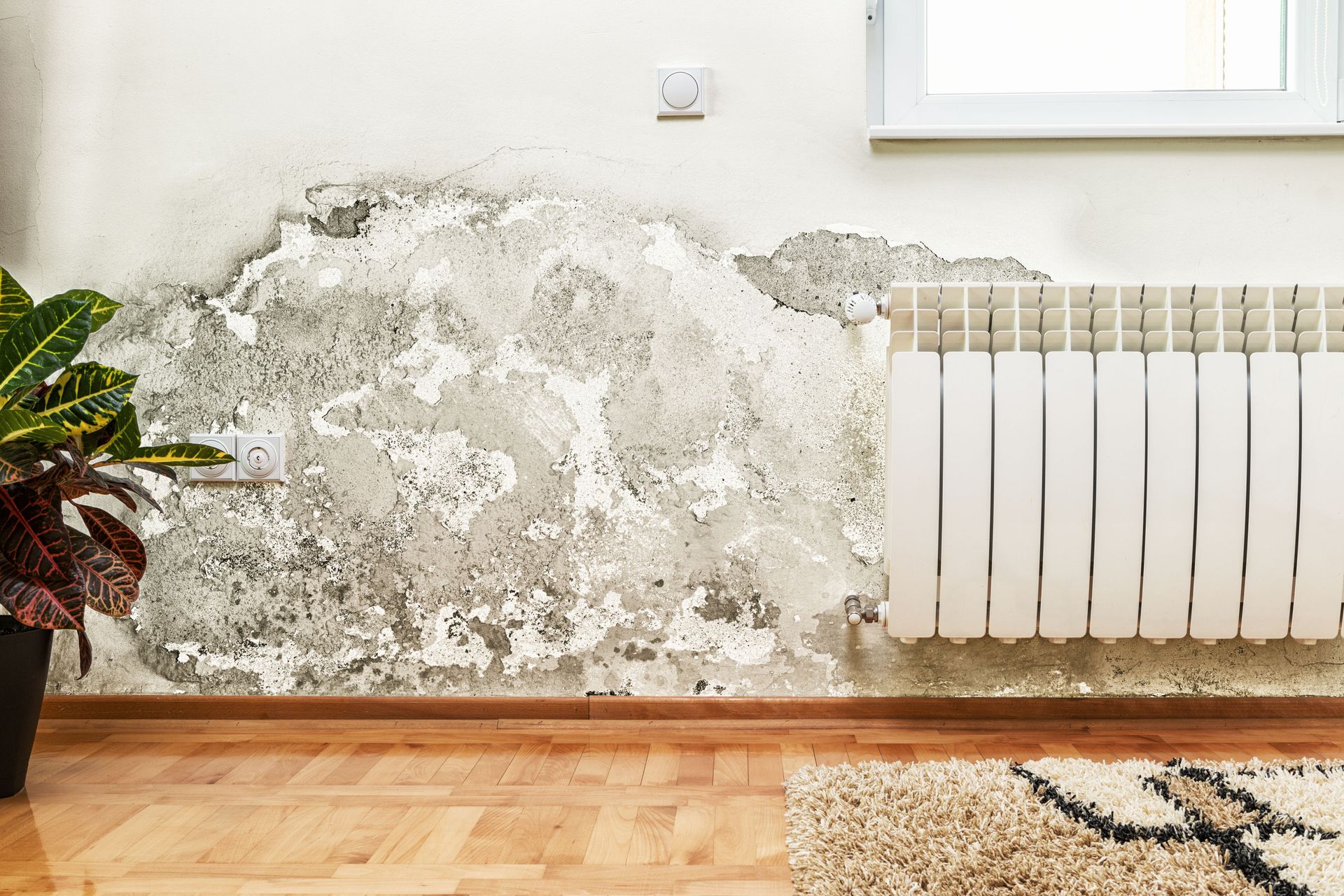
Mold Remediation in Surfside: A Realistic Guide for Property Owners
Surfside properties deal with something most inland homes don’t — constant coastal moisture pressure.
Even on sunny days, humidity hangs in the air. Salt particles travel indoors. Air conditioning systems run nearly year-round. And when moisture lingers, mold doesn’t take long to show up.
For property owners in Surfside, mold remediation isn’t just a repair service. It’s often a necessary response to the climate itself.
This guide walks through what mold remediation really involves, what to expect, and how coastal conditions change the process.
Why Mold Is So Common in Surfside
Surfside sits directly along the Atlantic coastline. That means:
- Elevated year-round humidity
- Salt-heavy air
- Frequent rain events
- High water tables
- Condensation around AC systems
Even without flooding, moisture can accumulate inside:
- Wall cavities
- Attic insulation
- Ductwork
- Behind cabinets
- Under flooring
Mold only needs moisture and organic material to grow. In coastal homes, both are readily available.
Step 1: Confirming the Problem
Before remediation begins, proper evaluation is critical.
This typically includes:
- Visual inspection
- Moisture mapping
- Air sampling (when needed)
- Identifying the moisture source
In Surfside condos, the source might be:
- AC condensation
- Balcony door leakage
- Roof intrusion
- Neighboring unit plumbing issues
In single-family homes, slab moisture and attic humidity are common triggers.
Addressing mold without identifying the moisture source guarantees recurrence.
Step 2: Containment Setup
Mold remediation is not just cleaning visible spots.
Once growth is confirmed, the affected area is isolated to prevent spores from spreading during removal.
Containment usually involves:
- Plastic barrier walls
- Sealed doorways
- Negative air pressure machines
- HEPA air filtration
In Surfside high-rise buildings, containment is especially important to prevent contamination of hallways and neighboring units.
Step 3: Air Filtration and Pressure Control
Before material removal begins, air scrubbers are activated.
These machines:
- Capture airborne spores
- Reduce cross-contamination
- Improve air quality during remediation
Negative air pressure ensures that air flows into the contained area — not out of it.
This step protects unaffected rooms.
Step 4: Removal of Contaminated Materials
Porous materials that are heavily contaminated usually cannot be saved.
Common removals include:
- Drywall sections
- Insulation
- Baseboards
- Carpet padding
- Cabinet backing
In Surfside properties with luxury finishes, careful demolition prevents damage to surrounding materials.
Selective removal is more common than full-room gutting — if addressed early.
Step 5: Cleaning and Surface Treatment
Once contaminated materials are removed, remaining structural surfaces are cleaned.
This includes:
- HEPA vacuuming
- Antimicrobial application
- Wiping of framing and non-porous surfaces
In coastal environments, cleaning also addresses salt residue that may attract moisture.
The goal is to remove spores and prevent regrowth — not just bleach the surface.
Step 6: Drying and Humidity Stabilization
Because Surfside humidity is naturally high, drying takes precision.
Industrial dehumidifiers and air movers are used to:
- Bring moisture levels back to safe range
- Dry structural components
- Stabilize indoor humidity
Moisture readings are monitored throughout the process.
Removing visible mold without stabilizing humidity invites regrowth within weeks.
Step 7: Post-Remediation Verification
Once remediation is complete, many property owners request clearance testing.
This may include:
- Follow-up air sampling
- Visual inspection
- Moisture confirmation
Clearance testing confirms that indoor spore levels have returned to normal.
In condo settings, documentation may also be required by property management.
Unique Challenges in Surfside Properties
High-Rise Living
In multi-unit buildings:
- Shared HVAC systems complicate containment
- Moisture can travel through shared walls
- Plumbing leaks from upper units are common
Coordination with building management is often necessary.
Salt Air Exposure
Salt attracts moisture.
If not cleaned properly, salt residue on surfaces can continue drawing humidity into walls and framing.
This makes thorough cleaning essential.
Constant AC Use
Air conditioning systems in Surfside run almost continuously.
Improperly maintained systems can:
- Accumulate condensation
- Harbor mold inside ducts
- Spread spores throughout the property
HVAC inspection is often part of comprehensive remediation.
What Mold Remediation Is Not
It is not:
- Spraying bleach on walls
- Painting over stains
- Ignoring the moisture source
- Masking odor with air fresheners
True remediation removes contamination and corrects environmental conditions.
Anything less is temporary.
Preventing Future Mold Growth
After remediation, prevention becomes the priority.
In Surfside, that means:
- Maintaining indoor humidity between 45–55%
- Servicing AC systems regularly
- Inspecting balcony doors and window seals
- Monitoring attic ventilation
- Addressing minor leaks immediately
In coastal climates, waiting even a few weeks can allow mold to return.
Ongoing moisture control is part of property ownership.
Cost Considerations
Mold remediation costs vary depending on:
- Size of affected area
- Location of growth
- Structural involvement
- HVAC contamination
- Accessibility
Early intervention keeps costs manageable.
Large-scale contamination behind walls and under flooring significantly increases scope and expense.
Final Thoughts
Mold remediation in Surfside requires more than surface cleaning.
Coastal humidity, salt exposure, high-rise construction, and year-round AC use create conditions where mold can grow quickly and spread quietly.
For property owners, the key is understanding:
- Where moisture originates
- How mold spreads
- Why containment matters
- Why humidity control prevents recurrence
Handled properly, mold remediation restores indoor safety and protects long-term property value.
Handled improperly, it becomes a recurring problem.
In Surfside’s coastal environment, realistic expectations and professional remediation make all the difference.