
What Really Causes the Need for Carpet Cleaning After Water Damage in Surfside
In Surfside, water damage doesn’t end when the visible water disappears.
Especially when carpet is involved.
Coastal humidity, salt air, and warm indoor temperatures create a perfect environment for contamination to settle deep into carpet fibers and padding. That’s why carpet cleaning after water damage isn’t cosmetic — it’s structural and hygienic.
Let’s break down what really causes the need for professional carpet cleaning in Surfside properties after water exposure.
It’s Not Just the Water — It’s What’s In It
Water damage in Surfside can come from:
- Storm surge
- Wind-driven rain
- AC drain overflows
- Plumbing leaks
- Roof intrusion
Even clean water doesn’t stay clean for long.
Within hours, water inside carpet begins collecting:
- Dust
- Sand
- Salt particles
- Bacteria
- Organic debris
In coastal environments, salt contamination is especially important.
Salt residue remains after drying and continues attracting moisture from humid air.
That means the carpet may feel dry on the surface but still hold dampness inside.
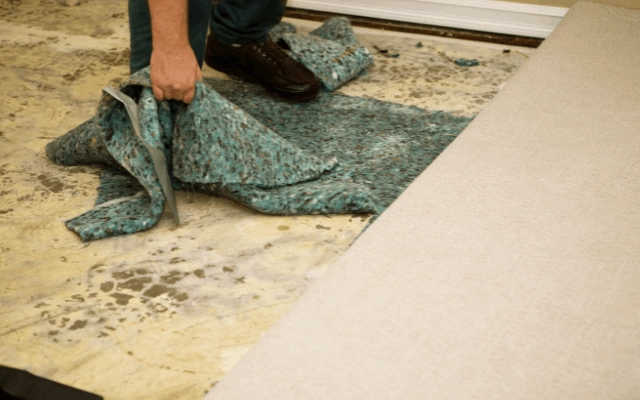
Carpet Padding Holds Moisture Longer Than You Think
The real problem isn’t always the top layer.
Carpet padding underneath acts like a sponge.
In Surfside’s humid climate, padding can:
- Stay wet for days
- Trap bacteria
- Develop odor
- Begin microbial growth
Surface drying alone doesn’t fix this.
If padding isn’t properly extracted or replaced, contamination remains even after the carpet looks clean.
Coastal Humidity Slows Drying
Opening windows after a water event might seem helpful.
In Surfside, it usually makes things worse.
Outdoor humidity is already high.
When humid air enters, evaporation slows and moisture lingers inside the carpet fibers.
Without industrial drying equipment, carpets may never fully dry.
That’s when musty odor begins — often within 24–48 hours.
Salt Air Makes It Worse
Surfside’s proximity to the ocean introduces salt particles into the home daily.
When water damage occurs, those particles mix into wet carpet.
Salt:
- Retains moisture
- Accelerates fiber breakdown
- Contributes to odor
- Attracts additional humidity
Even after visible drying, salt residue can continue pulling moisture into the carpet over time.
That’s why extraction and proper cleaning are necessary — not just drying.
Sand and Debris Get Embedded
After coastal flooding or storm-driven rain, fine sand often enters the property.
Carpet fibers trap this debris easily.
Over time, embedded sand:
- Wears down fibers
- Causes matting
- Reduces carpet lifespan
- Holds additional moisture
Professional hot water extraction removes contaminants that vacuuming cannot.
Ignoring this step leads to long-term damage.
Bacteria Growth Happens Quickly
Warm temperatures and damp carpet create ideal conditions for bacterial growth.
Even clean water can become contaminated once it mixes with:
- Household dust
- Pet dander
- Organic particles
In flood events involving storm surge or exterior intrusion, contamination levels increase significantly.
Professional cleaning neutralizes bacteria and prevents lingering odor.
Odor Isn’t Just Surface-Level
That musty smell after water damage?
It’s rarely just surface moisture.
Odor-causing compounds settle into:
- Carpet fibers
- Padding
- Subfloor materials
Without deep extraction and cleaning, odor may temporarily fade — then return when humidity rises again.
In coastal communities, humidity spikes frequently.
This is why some homes smell fine one day and musty the next.
Subfloor Moisture Can Re-Wet Carpet
In slab-on-grade homes common in Surfside, water can seep beneath carpet and into the concrete slab.
If subfloor moisture isn’t properly dried:
- Moisture rises back into padding
- Carpet feels damp again
- Mold risk increases
Moisture mapping ensures drying reaches all affected layers.
Skipping this step often results in recurring problems.
When Carpet Can Be Saved — And When It Can’t
Not every water-damaged carpet requires replacement.
Salvage depends on:
- Type of water (clean vs contaminated)
- Duration of exposure
- Extent of padding saturation
- Speed of response
If addressed quickly and properly extracted, many carpets can be restored.
But in storm surge events involving saltwater, replacement is often safer.
Coastal contamination changes the equation.
The Professional Cleaning Process
Carpet cleaning after water damage in Surfside typically involves:
- Water extraction using high-powered equipment
- Removal and evaluation of padding
- Subfloor moisture assessment
- Antimicrobial treatment if necessary
- Controlled drying with dehumidifiers
- Deep hot water extraction cleaning
Each step ensures contaminants and moisture are fully addressed.
Skipping steps leads to recurring odor and possible mold growth.
Mold Risk Is Higher in Coastal Homes
In warm, humid climates, mold can begin developing inside damp carpet padding within 48 hours.
Once growth begins, surface cleaning isn’t enough.
Mold inside padding or subfloor often requires removal.
That’s why immediate professional response is critical in Surfside properties.
Long-Term Prevention
After water damage cleanup, prevention matters.
Property owners should:
- Maintain indoor humidity between 45–55%
- Service AC drain lines regularly
- Address minor leaks immediately
- Use dehumidifiers during humid weeks
- Inspect slab moisture in ground-level units
In coastal communities, moisture management is ongoing — not occasional.
Final Thoughts
Carpet cleaning after water damage in Surfside isn’t about appearance.
It’s about removing:
- Salt contamination
- Embedded debris
- Bacteria
- Trapped moisture
Coastal humidity and salt air create conditions where damp carpet quickly becomes a larger structural issue.
Proper extraction, cleaning, and drying prevent:
- Odor
- Mold growth
- Fiber deterioration
- Subfloor damage
In Surfside, water damage recovery isn’t complete until the carpet and everything beneath it are truly dry and clean.