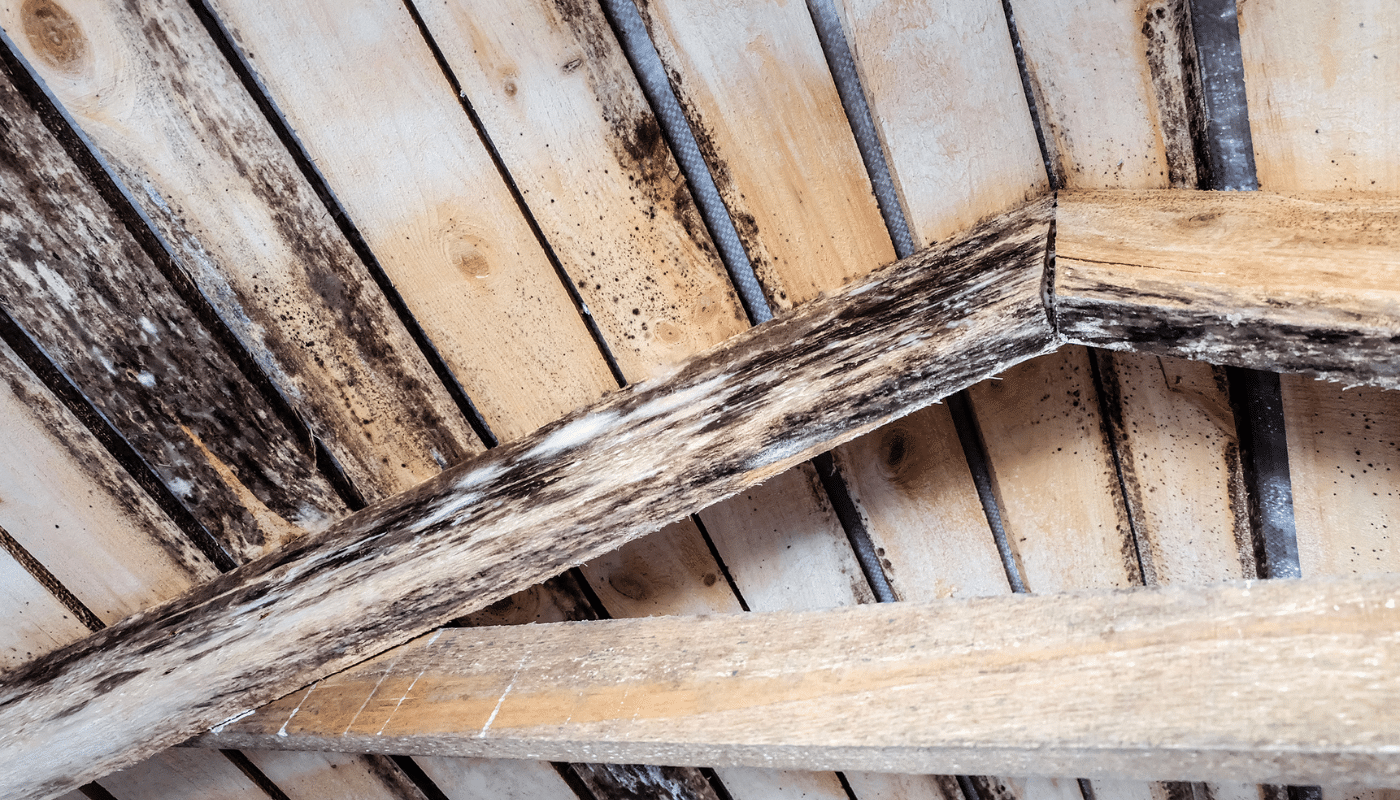
Mold Inspection in Sunny Isles Beach: Real-World Observations from Local Properties
Mold inspection is one of the most important but often overlooked steps in protecting homes along the coast. In Sunny Isles Beach and surrounding communities, mold problems frequently begin quietly—sometimes after a small leak, sometimes from condensation, and sometimes simply from humidity that lingers too long indoors.
From real inspections in coastal properties, one pattern appears again and again: mold rarely starts in obvious places. It develops in hidden cavities, behind walls, beneath flooring, or inside air ducts, and homeowners often discover it only after odors or staining appear. Understanding how inspections work and what inspectors commonly find can help property owners act early and avoid larger repairs.
What Mold Inspection Really Means
A mold inspection is not just a visual check. It involves locating moisture sources, identifying conditions where mold can grow, and determining whether contamination is present in visible or hidden areas.
In Sunny Isles Beach homes, inspections often focus on:
- Walls and ceilings near plumbing or roof lines
- Air conditioning systems and ducts
- Bathrooms and kitchens
- Carpeting and flooring near exterior walls
- Attics and crawl spaces
The goal is to identify moisture before mold spreads extensively, because moisture control is the key to preventing growth.
Why Mold Issues Are So Common in Sunny Isles Beach
The coastal climate plays a major role. Sunny Isles Beach experiences warm temperatures, high humidity, and frequent rain throughout much of the year. These conditions allow moisture to remain trapped in building materials longer than in drier regions.
Some of the most common contributing factors observed during inspections include:
- AC condensation buildup
- Salt-air corrosion affecting building materials
- Roof leaks after storms
- Window seal failures in high-rise buildings
- Plumbing leaks in kitchens or bathrooms
- Poor ventilation in closets and storage areas
Nearby communities such as Bal Harbour, Surfside, and North Miami Beach face many of the same conditions, especially in properties close to the shoreline.
Common Signs Homeowners Notice
Homeowners often call for inspections after noticing subtle changes indoors. Many of these signs appear gradually and may not seem serious at first.
Frequent observations include:
- Musty or damp odors
- Dark spots on ceilings or baseboards
- Peeling paint or bubbling drywall
- Increased indoor humidity
- Condensation forming on vents or windows
- Persistent allergy-like symptoms indoors
These signs do not always confirm mold, but they strongly suggest that moisture is present somewhere in the home.
Hidden or Overlooked Sources Found During Inspections
Real-world inspections in Sunny Isles Beach frequently reveal moisture in areas homeowners never suspected.
Some of the most common hidden sources include:
- Moisture trapped behind drywall after slow leaks
- Condensation forming inside air ducts
- Wet insulation in attic spaces
- Damp subflooring beneath carpets
- Leaks behind washing machines or refrigerators
In high-rise properties, inspectors often find moisture traveling along concrete slabs or inside wall cavities where airflow is limited. These areas can remain damp for long periods, allowing mold to develop without obvious warning signs.
Why DIY Mold Checks Usually Miss the Problem
Many homeowners attempt to check for mold themselves, but visual inspection alone rarely tells the full story. Mold often grows inside materials or behind surfaces where it cannot be seen.
DIY inspections usually fall short because:
- Moisture meters are not available
- Hidden areas are not examined
- Air quality is not tested
- Mold behind walls or ceilings is missed
Without identifying the moisture source, cleaning visible spots does little to stop mold from returning.
Professional Mold Inspection & Testing Explained
A professional inspection uses specialized tools to locate moisture and confirm mold presence when necessary.
A thorough inspection typically includes:
- Moisture readings in walls, ceilings, and floors
- Thermal imaging to locate hidden damp areas
- Attic and ventilation checks
- HVAC and duct system evaluation
- Air sampling when appropriate
These methods allow inspectors to map moisture patterns and determine whether mold growth is active or likely to develop soon.
In Sunny Isles Beach, inspections often uncover moisture trapped in areas affected by condensation or slow leaks—issues that can go unnoticed for months.
Proper Mold Removal & Remediation Process
If mold is discovered, remediation focuses on removing contamination safely and preventing recurrence.
A proper remediation process may include:
- Containment of affected areas
- Air filtration to capture spores
- Removal of contaminated materials if necessary
- Cleaning and antimicrobial treatment
- Controlled drying with professional equipment
- Final verification of moisture levels
Each step ensures that mold is not only removed but also prevented from returning.
Companies such as Tip Top Water and Fire Damage Restoration frequently encounter cases where previous cleaning attempts failed because moisture sources were never addressed. Identifying and correcting those sources is always the most important step.
Flood Restoration & Water Damage Repair
Many mold problems are linked to previous water damage. Even minor flooding or leaks can leave moisture behind in structural materials.
Water damage repair may involve:
- Drying wall cavities and subfloors
- Replacing damaged drywall or insulation
- Treating structural wood
- Ensuring safe humidity levels indoors
Restoration work often goes hand in hand with mold remediation, especially in coastal homes where drying takes longer.
Air Ducts, AC Systems & Mold
Air conditioning systems are essential in South Florida, but they can also contribute to mold problems when condensation builds up.
During inspections in Sunny Isles Beach, it is common to find:
- Condensation inside ducts
- Mold around vents
- Damp insulation near air handlers
- Restricted airflow causing humidity buildup
Air duct cleaning and proper maintenance help reduce these risks and improve indoor air quality.
How to Prevent Mold in Coastal Homes
Preventing mold in Sunny Isles Beach requires attention to moisture control year-round.
Helpful steps include:
- Repair leaks promptly
- Use dehumidifiers when indoor humidity rises
- Keep AC systems serviced regularly
- Improve ventilation in closets and storage spaces
- Inspect ceilings and walls after storms
- Schedule periodic moisture inspections
Small preventive steps often eliminate the conditions mold needs to grow.
Why Local Experience Matters
Coastal properties present challenges that differ from inland homes. High humidity, salt exposure, and building design all influence how moisture behaves indoors.
Professionals familiar with Sunny Isles Beach, North Miami, and Biscayne Park understand:
- Where moisture is most likely to accumulate
- How coastal air affects building materials
- Which areas commonly develop hidden mold
- How long drying realistically takes in humid conditions
Tip Top Water and Fire Damage Restoration has worked extensively in these communities, where subtle moisture problems often develop into larger issues if not identified early.
A Calm, Practical Next Step
Mold inspections are most effective when performed early, before odors, stains, or structural damage become severe. If a home has experienced leaks, condensation, or persistent humidity, an inspection provides clarity and peace of mind.
In Sunny Isles Beach and nearby coastal neighborhoods, moisture is part of the environment—but mold growth doesn’t have to be. Early inspection and proper moisture control remain the most reliable way to protect both property and indoor air quality.